
REVIEW · DMZ & BORDER TOURS
Private DMZ tour(Tunnel / Observation) with hotel pick up
The border feels close here. This private Seoul DMZ tour takes you to the Third Infiltration Tunnel and Dora Observatory so you can understand the Korean Peninsula division, without the long, confusing detours that some DMZ options include. I especially like that you also start with Imjingak, a place built after early North South talks, so the day has context, not just shock value.
One thing to consider: the tour involves walking and a tunnel visit, so it is not for people with claustrophobia or difficulty walking. Also, you are going into a military zone outside the DMZ, not into the DMZ itself, so if your main goal is JSA, you’ll want a different tour.
In This Review
- Key highlights at a glance
- DMZ vs JSA, and why this itinerary matters
- Hotel pickup, timing, and what a 7 to 8 hour day looks like
- Imjingak Pyeonghoa-Nuri Park: where unification talk gets human
- The DMZ bus segment: three stops, one guided route
- Walking the Third Infiltration Tunnel: what your feet will notice
- Dora Observatory: distance views and the meaning of seeing
- Meet a defector at the North Korea museum stop
- Price and value: what $210 includes, and what it doesn’t
- Guides, group size, and why English clarity matters here
- Comfort and packing tips for a tunnel and observatory day
- Who should book this Seoul DMZ tour, and who should skip
- Should you book this tour for your trip?
- FAQ
- Do I need a passport for this tour?
- Is this tour the same as JSA?
- What stops are included during the day?
- How long is the tour?
- Is lunch included in the price?
- Can I cancel and get a refund?
Key highlights at a glance
- Private hotel pickup and a calmer pace than big bus tours
- Third Infiltration Tunnel walk, with the story behind the dig
- Dora Observatory for distance views and division context
- Imjingak Pyeonghoa-Nuri Park to frame the unification theme
- Defector-focused museum time at the end of the day
- Passport needed because you enter a military zone
Other routes to the border, side by side
DMZ vs JSA, and why this itinerary matters
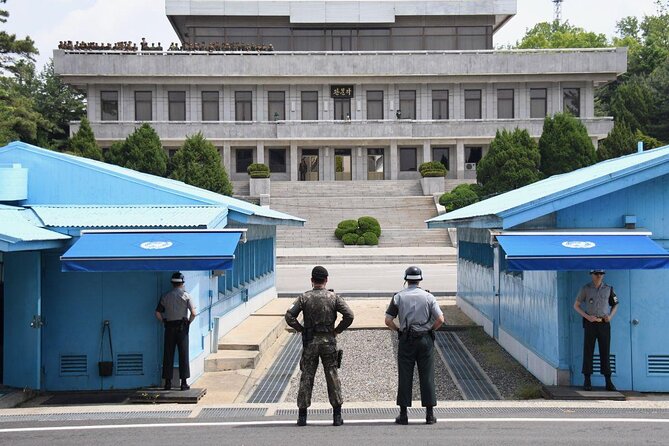
This tour is often called a DMZ tour, but the details matter. Your stops are tied to understanding the DMZ era and the North South divide, yet you do not go inside the DMZ itself. Instead, you visit areas that sit in the military zone outside the DMZ boundary.
If your dream photo is about the Armistice Agreement site in JSA, this is not that day. JSA is the famous part where the 2019 US president visit took place, so it has its own specific JSA-style tours. For this one, think of it as a DMZ learning day where you get real border geography, military-era construction, and the sights that make the conflict feel real.
That distinction is also practical. It shapes what you will see, how you will move, and why a passport is required. It is less about checking a headline location and more about building a clearer mental map of where the lines are, and what the tunnel and observatory were built to do.
Hotel pickup, timing, and what a 7 to 8 hour day looks like
The tour starts at 8:00 am, with hotel pickup included. You should plan for a long, structured day rather than a casual sightseeing loop. The schedule has travel time built in from central Seoul, so you’re not just standing around waiting for buses.
Expect roughly 1 hour to reach Imjingak, then another block of border-area driving. After the DMZ segment, the tour returns to Seoul with about 1 hour of drive time. Total duration is 7 to 8 hours roughly, and that’s about right for a day that combines travel, guided context, and a tunnel walk.
The ride is in an air-conditioned vehicle. You also get bottled water. These sound like small perks, but on a day that can feel intense, they help you stay comfortable enough to focus on what your guide is explaining.
One more timing note: lunch is not included. With this kind of itinerary, you either eat before you start or plan for food on your own after the tour. That’s important for families and anyone who runs on set meal schedules.
Imjingak Pyeonghoa-Nuri Park: where unification talk gets human
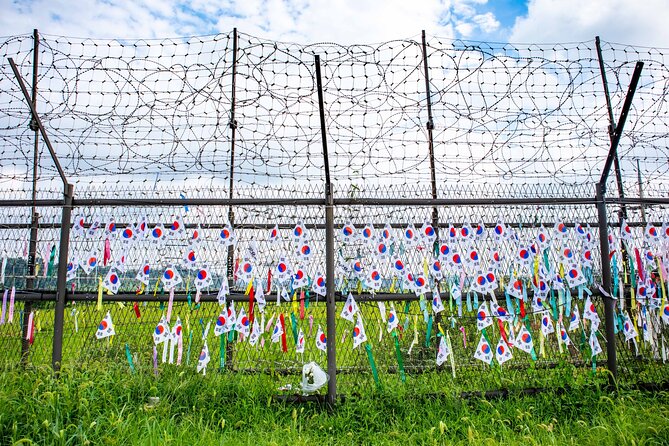
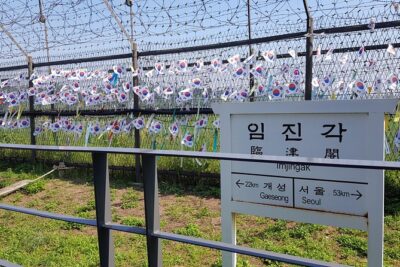
Imjingak Pyeonghoa-Nuri Park is your first stop, and it sets the tone. This is a site built after the first talk between South and North Korea in 1972. It became a place connected to longing for unification, so you get a more emotional, human frame before you reach concrete military sights.
This first portion matters because it changes how you experience everything afterward. Without it, the day can feel like a series of checkpoints. With it, the tunnel and observatory feel like parts of a longer story, not just dramatic set pieces.
Later in the day, you return to Imjingak Pyeonghoa-Nuri Park again. After the DMZ segment, the schedule includes time for a museum about North Korea, plus a chance to meet a defector and interview them. That is one of the most serious and memorable components of the day, because you move from geopolitical facts to personal perspective.
If you want to understand the conflict as lived experience, this is the part that gives it weight.
The DMZ bus segment: three stops, one guided route
After getting out into the border region, the tour uses a DMZ tour bus to visit three main stops as part of the DMZ segment.
First comes the Third infiltration tunnel route. Next is the Dora observatory, where you can look at the division from a distance. The schedule also includes a quick stop at a supermarket in Unification Village.
This three-part structure is efficient. It reduces the risk of wasting time trying to coordinate transportation on your own. It also keeps your guide’s story coherent, because each stop builds on the last one.
The Unification Village supermarket stop is brief, but it is a real-world palate cleanser between heavier moments. It gives you a sense of how people live and plan around the idea of unification, even while the division remains.
Also note: the area is heavily mined, and this is part of why the tour is structured and guided. You are not wandering. You are following the route for safety and for access.
More private bookings in Seoul
- Private DMZ Tour (No Shopping): 3rd Tunnel & Suspension Bridge
★ 5.0 · 607 reviews - Seoul City Private Full-Day Tour Including Lunch
★ 5.0 · 469 reviews - Private DMZ the 3rd Tunnel Tour from Seoul (optional Red Bridge)
★ 5.0 · 429 reviews - Seoul Highlights & Hidden Gems Tours by Locals: Private + Custom
★ 5.0 · 359 reviews - Premium Private DMZ Tour & (Suspension Bridge or N-Tower) include lunch
★ 5.0 · 348 reviews
Walking the Third Infiltration Tunnel: what your feet will notice
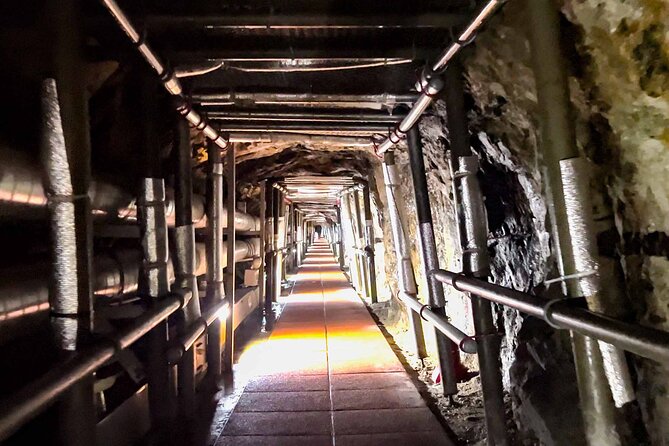
The Third Tunnel is the big physical attraction on this itinerary. You walk through it to reach the area connected to the tunnel itself.
The tour context here is important. The tour information includes a striking claim: North Korea dug the tunnel such that 30,000 armed soldiers could pass in one hour if it was completed. That kind of number is meant to communicate scale fast, and it helps you understand why tunnels like this were treated as a strategic threat.
This portion comes with a real comfort warning. Tunnel walking can feel tight and confining, and the tour is explicitly not recommended for people with claustrophobia. Even if you are not fully claustrophobic, you should consider how you handle enclosed spaces.
Practical tip: wear shoes you can trust. You will spend time walking, and your comfort inside and around the tunnel matters more than style.
If you want to understand why the peninsula is so tense, the tunnel experience does it quickly. It turns abstract conflict into something you can physically sense.
Dora Observatory: distance views and the meaning of seeing
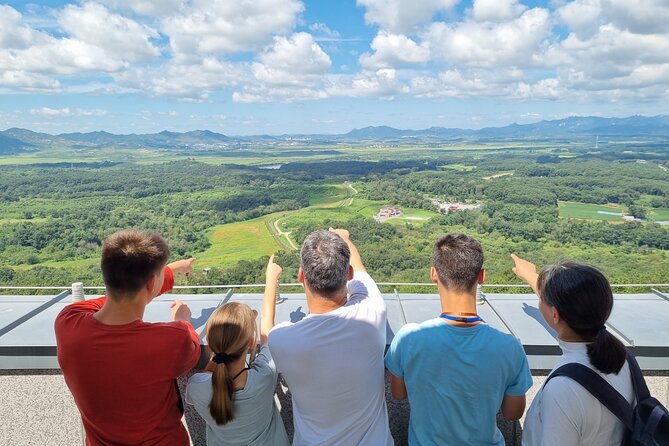
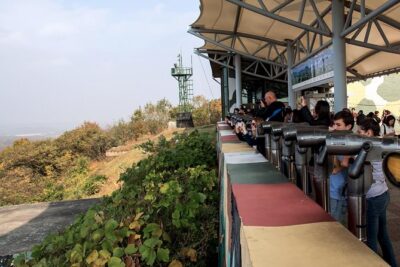
After the tunnel, you go to Dora Observatory. This is where you watch and understand the border from a distance, rather than focusing on something you walk through.
Your guide helps you connect what you see with what it meant strategically. Dora is also framed as a place to understand the tragic border of Korea, but it is not only about sadness. The tour plan notes that you can observe the progress of cooperation between South and North Korea as well.
And yes, you can take photos from the observation area. That matters, because this is one of those stops where you’ll want a record for later, even if photos can never fully capture the feeling of standing in a divided viewing point.
Dora is a good stop for parents and older visitors too, compared with the tunnel. It is more open visually, and it lets your guide slow down and explain what the border looks like when you are not standing inside a passage.
Meet a defector at the North Korea museum stop
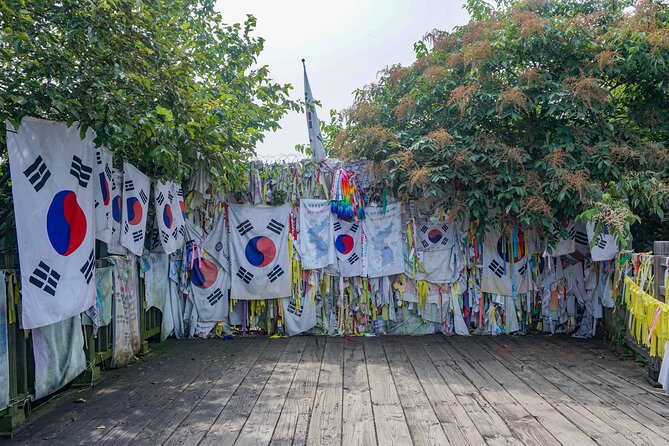
The day ends with a return to Imjingak Pyeonghoa-Nuri Park, including a museum about North Korea and time to meet a defector who you can interview.
This is not just a cultural add-on. It is the emotional counterpart to the military sights. The tunnel and observatory show you what governments planned and built. The defector conversation explains how those plans shaped real lives.
How valuable is this part? In a day full of powerful images, this is the portion that helps you ask better questions after you leave. You’ll likely walk away with a more nuanced understanding of what division means day to day.
If you want a more human ending to your Seoul DMZ experience, this is the stop you should treat as the highlight, even if the tunnel grabbed the attention at the start.
Price and value: what $210 includes, and what it doesn’t
At $210 per person, this is not a cheap day trip. But it does include meaningful items that most budget options either do not include or make you figure out later.
What you get included:
- DMZ ticket access for Dora Observatory and the Third Tunnel
- Air-conditioned vehicle
- Tour information in English with an expert guide
- Bottled water
What you do not get included:
- Lunch
That mix usually makes sense for a premium-feeling day. Hotel pickup saves time. Admission tickets reduce the hassle and uncertainty. And the English guidance matters more than it sounds, because at border sites, you need context fast.
Still, you should treat the $210 as paying for time, access, and guidance, not as paying for comfort food. If lunch planning is a weakness in your travel style, this price will feel sharper. If you like structured experiences, the value is strong.
Also, you’ll see that it’s commonly booked about 36 days in advance on average. That’s a sign people plan ahead for a day like this, and you should do the same if your dates are fixed.
Guides, group size, and why English clarity matters here
This is a private tour/activity, meaning only your group participates. That’s a big deal for DMZ days. When the route and access matter, smaller groups often mean fewer bottlenecks and more room for your questions.
The guide names connected to the experience are consistently praised, including Juno Lee. Other guide names you may see associated with the operator include Miae and June. Across those examples, what stands out is how much clarity and support the guides bring, and how helpful they are with family members and schedule needs.
What you should look for, practically: clear English explanations, an ability to handle questions without rushing you, and flexibility if something in your group needs a small adjustment. If you care about those things, this operator’s reputation for strong guide performance is a meaningful factor.
Comfort and packing tips for a tunnel and observatory day
You should plan for a day that blends walking, enclosed space, and early travel. The tour requires moderate physical fitness, and it is not recommended for:
- Claustrophobic travelers
- Those with difficulty walking
So pack like you are going to be on your feet and moving through a tunnel section. Wear comfortable shoes. Bring a light layer for temperature shifts, especially if you tend to get cold in vehicles.
Also, bring your passport. Entry into a military zone requires it, and the tour specifically calls this out. This is the kind of rule that can ruin a day fast if you forget it, so put the passport somewhere safe and easy to grab.
One more practical note: because lunch isn’t included, think about a snack strategy. You can also ask your pickup point about nearby options before you leave, since you start at 8:00 am.
Who should book this Seoul DMZ tour, and who should skip
Book this tour if:
- You want a guided DMZ experience with access to the Third Tunnel and Dora Observatory
- You prefer hotel pickup so you can start your day without logistics stress
- You want a mix of military sights and human perspective, especially the museum and defector interview
Skip it if:
- You are claustrophobic or dislike enclosed spaces
- Walking is difficult for you
- You mainly want JSA, since this is not the JSA-focused experience
It is also a good match for families, as long as everyone can handle the walking and tunnel portion. The pacing is set, which can be helpful with kids or anyone who gets overwhelmed by too much free time.
If you are visiting Seoul and want one high-impact day that connects history to the present tense border reality, this is a solid choice.
Should you book this tour for your trip?
If your goal is a structured, English-guided Seoul DMZ day with the Third Infiltration Tunnel and Dora Observatory, this tour is easy to recommend. The value is strongest when you want hotel pickup, included access tickets, and context you can actually use.
But be honest with yourself about the tunnel. If you know enclosed spaces will stress you out, don’t gamble. Choose a different type of border experience or ask for an alternative itinerary.
If you can handle the walking and tunnel, you’ll come away with something most visitors miss: a clearer understanding of how the Korean conflict became built infrastructure, viewing points, and personal stories.
FAQ
Do I need a passport for this tour?
Yes. The tour goes into a military zone, and you should bring your passport.
Is this tour the same as JSA?
No. This experience is a DMZ tour that does not take you inside the DMZ and does not focus on JSA. JSA is a different location, and separate JSA tours are listed.
What stops are included during the day?
You visit Imjingak Pyeonghoa-Nuri Park, then a DMZ route with access tied to the Third Infiltration Tunnel and Dora Observatory, plus a quick stop at a supermarket in Unification Village. The day ends back at Imjingak with a North Korea museum stop and a defector interview opportunity.
How long is the tour?
It runs about 7 to 8 hours.
Is lunch included in the price?
No, lunch is not included.
Can I cancel and get a refund?
Yes, you can cancel for a full refund if you cancel at least 24 hours before the experience starts. If you cancel less than 24 hours before, the amount is not refunded.
Keep Browsing Seoul

More Seoul Write-Ups
The Border, Other Routes In
Fresh on the Seoul pile
- Unique Native Experience : Han River Picnic, Board game, BBQ★ 5.0 · 3 reviews
- 2-Hour Private Kayaking and Paddleboarding Experience in Hanriver★ 5.0 · 3 reviews
- Korean Folk Village & Suwon Hwaseong Fortress Private Tour★ 5.0 · 3 reviews
- Seoul Korean BBQ Dinner Experience with Secret Food Tours★ 5.0 · 3 reviews
- Seoul Highlights & Hidden Gems – Private Tour with Photo Service★ 5.0 · 3 reviews
- Night Food Tour in Seoul with Traditional and Modern Cuisine★ 5.0 · 3 reviews
DMZ & Border Tours you might have missed.
 ★ 5.0Best DMZ Tour Korea from Seoul (Red Suspension Bridge Optional)From $2941,422 reviews
 ★ 5.0DMZ Tour: 3rd Tunnel, Option(Suspension Bridge, Boat) from SeoulFrom $3521,373 reviews
 ★ 5.0DMZ tour south Korea from Seoul (NK experience hall, defector)From $2620,599 reviews
 ★ 4.9DMZ Insider Tour: 3rd Tunnel, NK Defector Meet & Red BridgeFrom $5015,214 reviews
 ★ 4.8Seoul: DMZ Tour with Optional Suspension BridgeFrom $455,277 reviews
 ★ 5.0Signature DMZ Tour: Exclusive Defector Talk & Suspension BridgeFrom $274,459 reviews
 ★ 5.0Thrilling Korean DMZ 3rd Tunnel Tour from Seoul + Red Bridge RushFrom $353,097 reviews
 ★ 5.0DMZ Past and Present: Korean Demilitarized Zone Tour from SeoulFrom $372,481 reviews
Where this tour also appears