
REVIEW · DMZ & BORDER TOURS
Private DMZ Tour
Korea’s border story hits you fast. This private DMZ tour from Seoul is built around close-up sites tied to the divided peninsula, from Freedom Bridge to the 3rd Infiltration Tunnel. I love that the trip is paced like a guided conversation, not a cattle call, with your guide explaining what you’re seeing as you drive in.
What I also really liked is the comfort factor: hotel pickup and drop-off plus an air-conditioned coach make the day manageable. The main catch to plan around is that, even on a private booking, some parts of the DMZ visit may still require switching onto a larger bus once you reach the access point.
If you want the DMZ without the stress, this tour is a solid match. It’s also a good way to get clarity on what you’re allowed to do, where you can look, and where photos may be restricted. The day includes moderate walking through a steep, narrow tunnel, so comfy shoes are not optional.
In This Review
- Quick highlights that shape the whole experience
- Is This DMZ Tour Really Private? How It Works In Practice
- The 6-Hour Seoul Schedule: When To Go, What To Expect, What To Skip
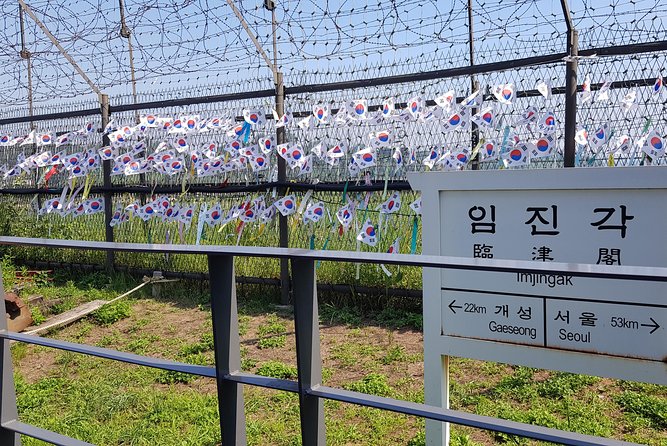
- Imjingak Park by the Imjin River: Artifacts That Make the War Feel Real
- Freedom Bridge: The POW Crossing Story and the Power of One Specific Site
- DMZ Exhibition Hall and Dora Observatory: How You Get the Big Picture
- 3rd Infiltration Tunnel: The Steep Walk You Should Train For
- What Your Guide Brings: Focused Stories, Real Questions, and Named Expertise
- Price and Value: Is $240 Per Person a Good Deal?
- Who Should Book This DMZ Private Tour, and Who Might Skip It
- Should You Book This Private DMZ Tour From Seoul?
- FAQ
- Do I need a passport for the DMZ tour?
- How long is the tour and when does it start?
- Is hotel pickup and drop-off included?
- Is lunch included?
- Can I take photos during the tour?
- What if parts of the itinerary are canceled due to weather or military conditions?
Quick highlights that shape the whole experience
- A private guide who stays focused on you, including on-the-spot explanations en route to the DMZ
- Freedom Bridge and its POW crossing story, shown in the context of Korea’s divided history
- Imjingak Park along the Imjin River, with war artifacts that make the conflict feel tangible
- DMZ Exhibition Hall and Dora Observatory to ground the story, plus binocular views at a real viewing point
- 3rd Infiltration Tunnel for a uniquely physical experience, with steep ramp walking and some crouching
Other routes to the border, side by side
Is This DMZ Tour Really Private? How It Works In Practice
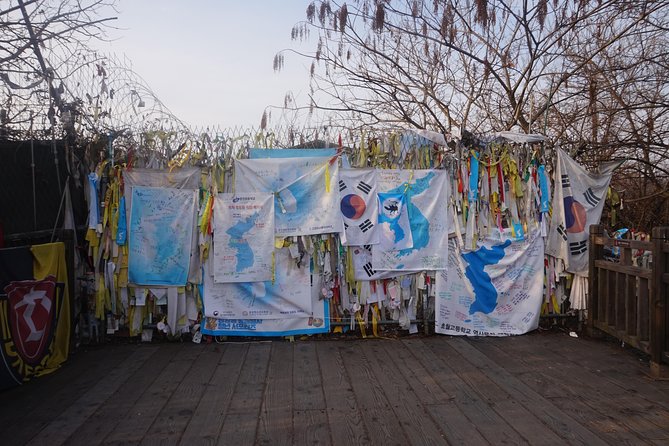
On paper, this is a private DMZ tour. Only your group participates, and you get an expert guide plus hotel pickup and drop-off. In other words, you are not stuck asking the same question through a fog of other voices.
In real life, you should still expect one practical twist. Once you reach DMZ access, you may have to transfer to a bigger DMZ bus for the actual entrance logistics. That doesn’t mean the guide stops being your guide. In the best versions of this tour, your guide stays with you and handles the flow, so you still get a more personal experience than you would on a standard group bus day. The key difference is that you can ask your follow-up questions, get direct answers, and adjust at the pace of your group.
What really makes the “private” part worth paying for is the way guides connect details to what you see. I’m especially impressed by the consistency of guide quality, with names like Lloyd, Sally, Jun, Felicity, and AJ showing up in standout experiences. Whether your guide is funny, more serious, or story-focused, the goal is the same: help you read the sites correctly, not just collect photos.
Also, remember the DMZ is controlled. You will get instructions on what you can photograph, and you’ll need to follow them without arguing. That’s not a downside, it’s just the reality of visiting a heavily monitored border zone.
The 6-Hour Seoul Schedule: When To Go, What To Expect, What To Skip
This tour starts at 8:00 am and runs about 6 hours. That timing matters because DMZ visits are tight and weather can change what’s possible. When the day is run well, you feel like you’re seeing a curated arc, not rushing from one checkpoint to the next.
You’ll begin with hotel pickup in Seoul, then head out by a comfortable, air-conditioned coach. On the drive, your guide provides expert commentary about the dividing line between North and South Korea. This is one of the smartest ways to start, because the DMZ can feel abstract until someone gives you the geography and the historical timeline.
A practical note: lunch is not included. Since the day can stretch, I recommend planning a simple breakfast and carrying a small snack if your guide allows it. If you’re prone to getting hungry mid-walk, that tunnel portion can feel longer than it looks on a brochure.
Also, the experience includes admission fees, so you’re not juggling ticket counters or buying add-ons. Tram access is listed as not included. If you’re the type who likes to optimize every minute, ask your guide on the day what transport options are relevant for your exact route.
Value-wise, $240 per person is the kind of price that makes sense when you count the included admission, the guide, and the door-to-door pickup. If you were planning a DIY DMZ route, the time and friction add up fast, and you’d still need a guide to interpret what you’re seeing.
Imjingak Park by the Imjin River: Artifacts That Make the War Feel Real
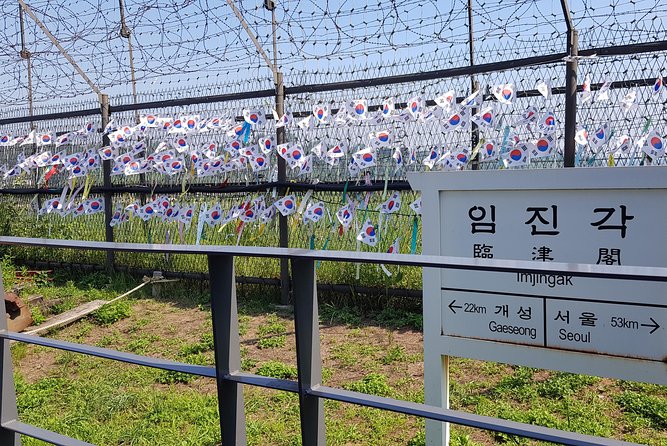
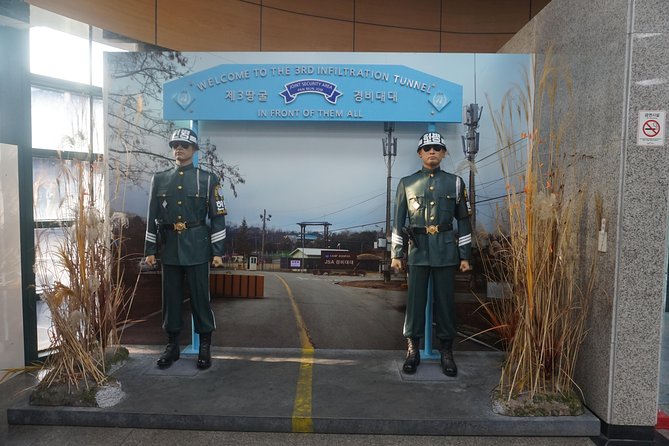
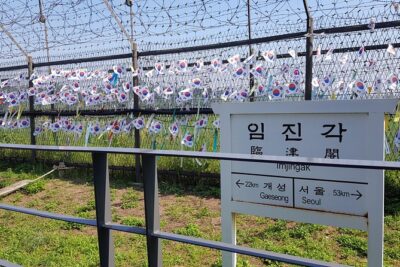
Your day’s first major DMZ-related stop centers on Imjingak Park, right along the Imjin River. This place isn’t just scenic. It’s a set of reminders, with artillery and war artifacts displayed in a way that helps you connect the headline history to physical objects.
The value here is emotional and educational. You get a transition from “history class” to “this is what people lived with.” Once you see the artifacts, the later DMZ stops make more sense. Freedom Bridge doesn’t feel like a random landmark. The tunnel doesn’t feel like a technical curiosity. The whole day becomes a single story.
Another nice touch is the way your guide frames what you’re seeing while you move through the area. Expect commentary about the conflict and what the boundary meant to people on both sides. If your guide has a story style, this is a good place for it. If your guide is more straightforward, this is still a strong start.
What to watch for: this is a morning area visit, so wear shoes you can walk in comfortably. You’re not doing a marathon, but you will be on your feet more than you think, especially as the day builds toward the tunnel walk later.
If you’re sensitive to heavy themes, go in prepared. This is a place where war shows up in objects, not just in dates.
Freedom Bridge: The POW Crossing Story and the Power of One Specific Site
Next up is Freedom Bridge, famous for the crossings tied to Korean POW return stories. Here’s why this stop is powerful: it’s a single, specific location that condenses a huge chapter of the Korean War into something you can point at and understand.
Your guide explains the significance, including that nearly 13,000 Korean POWs crossed on their return back home to South Korea. That number lands differently when you’re physically standing at the bridge, even if you don’t get the dramatic viewpoint you might imagine from movies.
This is also where your guide’s interpretation really matters. A good guide helps you connect the bridge to broader themes: separation, negotiation, and the long tail of war. Without that context, Freedom Bridge can feel like another photo stop. With the context, it becomes a turning point in your understanding of the divided peninsula.
One practical consideration: photo rules and timing. You’ll likely be asked to follow instructions about when and where you can take pictures. Follow them. It’s faster than trying to second-guess rules at a controlled site.
Also, keep your expectations realistic. The DMZ is not a theme park with open views at every angle. Your job is to look closely at what you’re allowed to see, then use your guide to fill in the gaps responsibly.
More private bookings in Seoul
- Private DMZ Tour (No Shopping): 3rd Tunnel & Suspension Bridge
★ 5.0 · 607 reviews - Seoul City Private Full-Day Tour Including Lunch
★ 5.0 · 469 reviews - Private DMZ the 3rd Tunnel Tour from Seoul (optional Red Bridge)
★ 5.0 · 429 reviews - Seoul Highlights & Hidden Gems Tours by Locals: Private + Custom
★ 5.0 · 359 reviews - Premium Private DMZ Tour & (Suspension Bridge or N-Tower) include lunch
★ 5.0 · 348 reviews
DMZ Exhibition Hall and Dora Observatory: How You Get the Big Picture
A DMZ day can easily feel like you’re seeing isolated stops. That’s why DMZ Exhibition Hall and Dora Observatory matter.
The Exhibition Hall is where the story gets organized. It helps you step back from the single-site emotion and understand the system behind it: how the boundary operates, why the region is militarized, and what visitors can reasonably learn from the controlled vantage points.
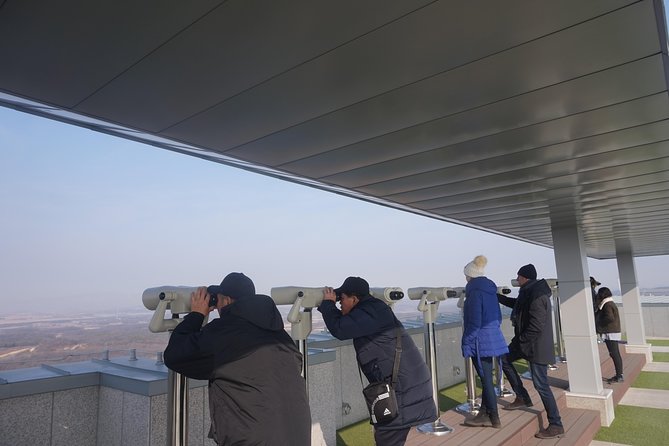
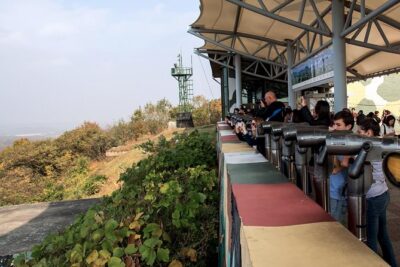
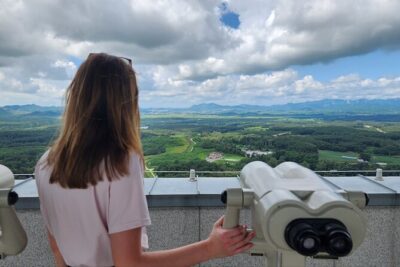
Then there’s Dora Observatory, where the tour includes a chance to look through binoculars at North Korea from a viewing point. This part changes the feel of the day. Instead of only absorbing history, you’re doing something physical and immediate: focusing your gaze across distance and seeing the reality of a peninsula that is still split.
A key value of having a guide here is explanation. Binocular views can be misleading if you don’t know what you’re looking at. Your guide helps you interpret the view you’re allowed to observe and connects it back to the broader narrative of separation.
Photo rules are likely to be strict. One clear tip from the experience is that photos are not allowed in the observatory and the tunnel. So plan to use your phone as a notebook, not a camera, if you’re the type who wants to document later.
If you’re short on time in Seoul, this is one of the few DMZ formats that gives you both context and a real viewing moment.
3rd Infiltration Tunnel: The Steep Walk You Should Train For
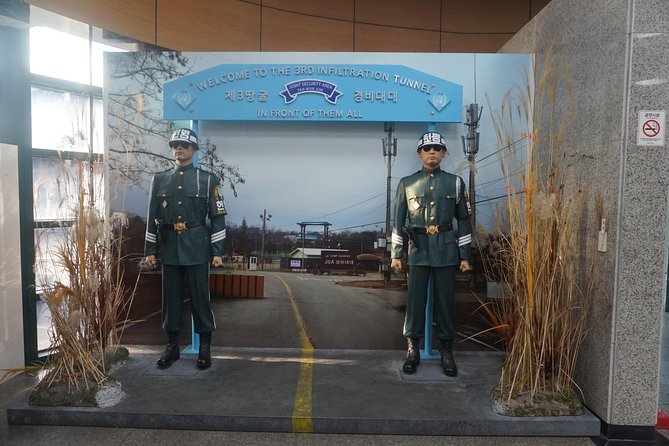
This is the stop that turns a history tour into a physical memory. The 3rd Infiltration Tunnel is located beneath the border area of North and South Korea, and the tour takes you inside to see where infiltration efforts and blocking strategies played out.
Be ready for walking that is more intense than it sounds. The tunnel involves moderate walking through a steep and narrow tunnel. One review note that the tunnel exit involves a ramp that is very steep and long, plus some crouching for taller guests.
That means two things for you:
1) Wear shoes with grip and comfort, because you may be moving on surfaces that feel less forgiving than regular sidewalks.
2) Bring your body to this stop, not just your curiosity. If you have mobility limits, plan carefully and consider asking your guide how the walk feels for your specific route.
Also follow photo instructions. In the tunnel, photos are not allowed.
Even with those restrictions, this is usually the part people talk about later because it’s concrete. You’re not reading about tactics. You’re experiencing a small slice of what it means to move through tight, controlled space in a tense border context.
If you want your DMZ day to stick, this is it.
What Your Guide Brings: Focused Stories, Real Questions, and Named Expertise
The biggest difference between a private DMZ tour and a standard group day is how the guide handles your questions. This tour is built around an expert guide who stays focused on your group, including explanations during the drive toward the DMZ.
I like when guides use names and details. In multiple standouts, guides like Jun, DK, Grace, Miel, and Laura show up for delivering a clear, personal narrative. Whether the style is light with humor or more serious and respectful, the common thread is directness: you get answers that help you interpret what you’re seeing right now.
One smart example from guidance style: some guides use photos and maps to explain areas you can’t fully see due to weather conditions. That’s useful because the DMZ can be foggy, rainy, or simply not cooperating. If your guide prepares for that, your day still feels complete.
Another practical point: a good guide keeps the day on schedule. With controlled sites, minutes matter. The best guides also manage the flow so you aren’t wandering, guessing, or stuck waiting without context.
If your group includes someone who needs extra pacing, pay attention to how your guide adapts. Several experiences highlight guides taking care of comfort needs, whether that means checking on elders or bringing the right weather tools.
This is why the private format is worth it for many people. You’re not paying just for exclusivity. You’re paying for interpretation.
Price and Value: Is $240 Per Person a Good Deal?
At $240 per person, this is not a budget activity. So here’s the value math I use.
You’re getting:
- Hotel pickup and drop-off in Seoul
- A private guide experience
- Admission fees included
- Transport by a comfortable, air-conditioned coach
- A structured day of major DMZ-related sites, including Freedom Bridge, Imjingak Park, and visits tied to the border story and viewpoints
What you’re not getting:
- Lunch
- Tram access (if you want it, you’ll pay separately)
So the question is: would you pay to avoid logistics headaches and get high-quality interpretation? If yes, it’s a fair price. The DMZ is not the kind of place where DIY works well unless you already know the story and accept the time cost. For most people, the included guide and transport are the entire value.
I also think the “private” part matters more here than in many city tours. The DMZ requires rules, timing, and explanations. When someone handles the checkpoint rhythm and turns the sites into a coherent narrative, you get more than just access. You get understanding.
One last value check: weather and military conditions can affect what you can do. There’s no guarantee you’ll see every single element if closures happen. If that worries you, plan your day with some flexibility and understand the DMZ is controlled by real-world conditions.
Who Should Book This DMZ Private Tour, and Who Might Skip It
This is a great fit if you:
- Want a DMZ experience from Seoul with a guide who can tailor answers
- Like history that comes with place-based context, not just dates
- Are comfortable with a long day, moderate walking, and the tunnel’s steep ramp return
- Prefer pickup and a guided flow over self-planning
It might be less ideal if you:
- Have mobility challenges that make steep narrow walking tough
- Need a fully unrestricted “everyone films everything” experience, because DMZ photo rules are strict
- Want a completely separate, never-anyone-else moment inside the DMZ. Even with a private booking, you may still transfer onto larger DMZ transport once inside.
That said, even where transfers happen, the guide can still make the experience feel private in how you understand it. The tunnel, the bridge story, and the observatory binocular view are the kind of combination that rewards good explanation.
If you’re making this your one major DMZ choice, this private format is one of the better ways to do it without turning it into a stressful checklist.
Should You Book This Private DMZ Tour From Seoul?
If you want the Korean Demilitarized Zone day to feel understandable, guided, and efficient, I’d book this. The included admission, hotel pickup and drop-off, and the focused guide approach are exactly what you need for a place that has rules and emotional weight.
Book it if the idea of Freedom Bridge, the Imjin River artifacts, and the 3rd Infiltration Tunnel sounds like your kind of day. Bring good shoes, expect a steep tunnel walk, and plan for strict photo guidelines.
Skip it or think twice if you know you cannot handle the tunnel’s steep and narrow walking. Also, if you’re expecting 100 percent zero-transfer DMZ logistics, read the fine print mindset-wise and be ready for possible bus switching once you reach access points.
For the right person, this is a strong, focused DMZ introduction with the kind of guide support that makes the sites click into place fast.
FAQ
Do I need a passport for the DMZ tour?
Yes. A current valid passport is required the day of travel. You do not need to send a copy in advance.
How long is the tour and when does it start?
The tour runs about 6 hours and starts at 8:00 am. Your exact pickup time is confirmed by the local operator.
Is hotel pickup and drop-off included?
Yes. Hotel pickup and drop-off from Seoul are included, along with transport by a comfortable, air-conditioned coach.
Is lunch included?
No. Lunch is not included. Tram is also not included.
Can I take photos during the tour?
You’ll be told when and where you may take photos, and you should follow your guide’s instructions. Some areas of the experience have strict rules on photography.
What if parts of the itinerary are canceled due to weather or military conditions?
If a part of the itinerary is canceled due to unexpected military conditions or local circumstances, there will be no refund for that canceled portion. For cancellations made by you, the experience allows free cancellation up to 24 hours in advance for a full refund.
Keep Browsing Seoul

More Seoul Write-Ups
The Border, Other Routes In
Fresh on the Seoul pile
- Unique Native Experience : Han River Picnic, Board game, BBQ★ 5.0 · 3 reviews
- 2-Hour Private Kayaking and Paddleboarding Experience in Hanriver★ 5.0 · 3 reviews
- Korean Folk Village & Suwon Hwaseong Fortress Private Tour★ 5.0 · 3 reviews
- Seoul Korean BBQ Dinner Experience with Secret Food Tours★ 5.0 · 3 reviews
- Seoul Highlights & Hidden Gems – Private Tour with Photo Service★ 5.0 · 3 reviews
- Night Food Tour in Seoul with Traditional and Modern Cuisine★ 5.0 · 3 reviews
DMZ & Border Tours you might have missed.
 ★ 5.0Best DMZ Tour Korea from Seoul (Red Suspension Bridge Optional)From $2941,422 reviews
 ★ 5.0DMZ Tour: 3rd Tunnel, Option(Suspension Bridge, Boat) from SeoulFrom $3521,373 reviews
 ★ 5.0DMZ tour south Korea from Seoul (NK experience hall, defector)From $2620,599 reviews
 ★ 4.9DMZ Insider Tour: 3rd Tunnel, NK Defector Meet & Red BridgeFrom $5015,214 reviews
 ★ 4.8Seoul: DMZ Tour with Optional Suspension BridgeFrom $455,277 reviews
 ★ 5.0Signature DMZ Tour: Exclusive Defector Talk & Suspension BridgeFrom $274,459 reviews
 ★ 5.0Thrilling Korean DMZ 3rd Tunnel Tour from Seoul + Red Bridge RushFrom $353,097 reviews
 ★ 5.0DMZ Past and Present: Korean Demilitarized Zone Tour from SeoulFrom $372,481 reviews
Where this tour also appears