
REVIEW · SEOUL ROYAL PALACES
Korean Heritage Tour: Palaces and Villages of Seoul Including Gyeongbokgung Palace
Seoul clicks into place in one guided day. I love Gyeongbokgung Palace for its restored gates and halls, and I love the Korean Folk Village because you can actually watch traditional craft work instead of just looking at signs. It is a packed 8.5 hours, but the structure keeps you moving without feeling totally scattered.
The best part is usually the guide work and clear pacing at the big sights. (In past outings, guides such as Sunny and Winnie, and folks like David, Dora, and Michelle have been praised for strong English and keeping people on track.) One possible drawback to plan for: the included ginseng center stop can feel like a sales detour, and some visits can run longer or feel more pushy than the palace and temple stops.
In This Review
- Key highlights worth clocking
- Start Strong: Hotel Pickup and the Blue House Drive-By
- Gyeongbokgung Palace: Joseon’s Grand Stage and the Restoration Story
- The National Folklore Museum: Replica-Based Lessons That Work Fast
- Jogyesa Temple: A Calm Stop With Real Age Behind It
- Lunch at a Local Korean Restaurant, Then Ginseng Reality
- Korean Folk Village: Craft Demonstrations and the Authenticity Test
- Group Size, Walking Pace, and When the Day Feels Rushed
- Value for Money: Is $140 Fair for This Seoul Heritage Mix?
- Should You Book This Seoul Korean Heritage Tour?
- FAQ
- What time does the tour start?
- How long is the experience?
- Is round-trip hotel transport included?
- What are the admission rules for the stops?
- What happens if Gyeongbokgung Palace is closed?
- Is lunch included?
- How much walking is involved?
- Can I cancel for a full refund?
Key highlights worth clocking
- Coach drive past Blue House before you start walking the palaces
- Gyeongbokgung Palace admission included plus a guided stroll through major halls and gates
- National Folk Museum quick stop built around replicas that explain daily life
- Jogyesa Temple main hall visit tied to the old Daeungjeon Buddha tradition
- Korean Folk Village craft demonstrations with hands-on style watching and souvenir shopping
- Air-conditioned small-group comfort with a maximum of 10 people
More palace mornings in Seoul, compared
Start Strong: Hotel Pickup and the Blue House Drive-By
This tour starts at 8:30 am with hotel pickup, then you ride in an air-conditioned coach with a professional guide. The first “see Seoul” moment is the drive past the Blue House, the executive office and official residence of the South Korean head of state and the President of the Republic of Korea.
Even if you have no interest in politics, the Blue House drive is useful. It tells you where power sits in the city map, and it sets the tone that today is about how Korea worked, and still works, through symbols, architecture, and ritual.
One practical note: you will be on a bus for parts of the day. If you run hot or cold easily, dress in layers. Comfort here pays off later when you switch from coach to steady walking inside the palace grounds.
Gyeongbokgung Palace: Joseon’s Grand Stage and the Restoration Story
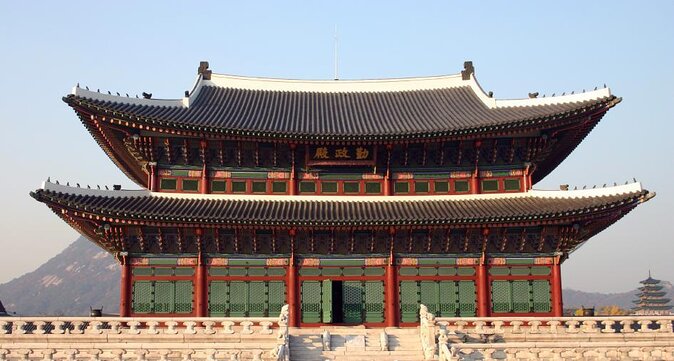
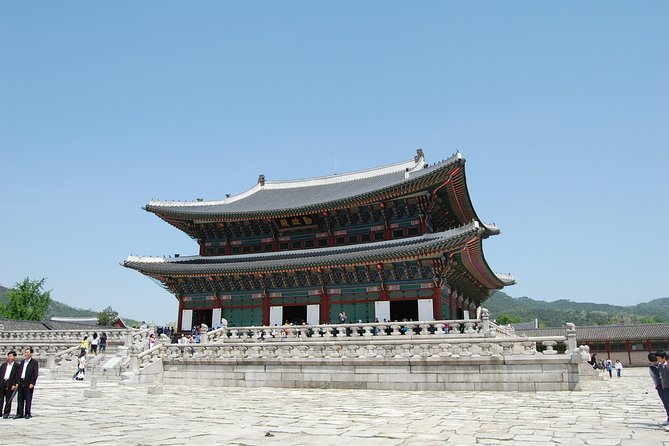
Your main morning anchor is Gyeongbokgung Palace. It is the first royal palace built by the Joseon Dynasty and the largest of the Five Grand Palaces, and your time there includes admission. The palace has also been heavily restored because much of it was destroyed during the Japanese occupation, so your visit is not only about pretty buildings. It is also about how cultural memory gets rebuilt.
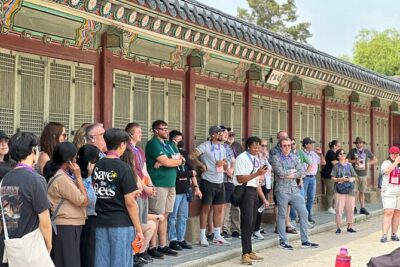
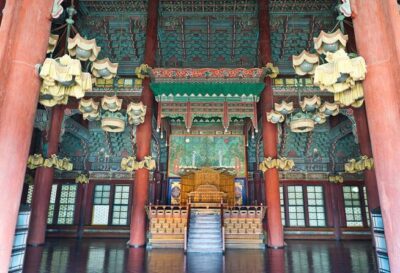
What you actually do is a guided walk through the gates, pavilions, and royal halls. This is the part that many people rate highest, because the palace is big enough that a guide can point out what matters and where to focus. Without that, Gyeongbokgung can feel like “lots of stone and rooflines.” With guidance, it becomes a story you can follow.
A smart tip: pay attention to your timing at Gyeongbokgung. When the schedule lines up, you can catch the changing of the guard, and it is often the kind of moment people say you just should not miss. If weather or crowd flow shifts it, at least you will still understand the ritual context by the time you see it.
Also, note the tour gives you about an hour at the palace. That sounds tight until you remember the palace area is spread out. Use the guide’s lead, then if you have a few minutes near a viewpoint, pause and take in the layout. The value here is structure, not rushing selfie stops.
If you are visiting on a Tuesday: Gyeongbokgung Palace is closed. In that case, the tour swaps in Deoksugung Palace and also tours the Seoul Museum of History there. Same “big palace” theme, different site.
The National Folklore Museum: Replica-Based Lessons That Work Fast
After the palace, you head to the National Folk Museum of Korea. This stop is short, about 20 minutes, and admission is free. The museum uses replicas to show Korean life from ancient times through the 20th century, which matters because it helps you connect the palace day to everyday people.
The big benefit of this museum format is speed. You do not need to “translate” every exhibit for yourself. Replicas plus a guide’s explanations can make the era gaps feel smaller.
The tradeoff is time. Twenty minutes is great for a guided intro, but it is not enough if you want a deep, museum-style read. If you already love museum details, you might wish you had longer. Still, as a day-tour component, it makes sense. It gives you a cultural backbone before you move into religious and folk-life experiences.
Jogyesa Temple: A Calm Stop With Real Age Behind It
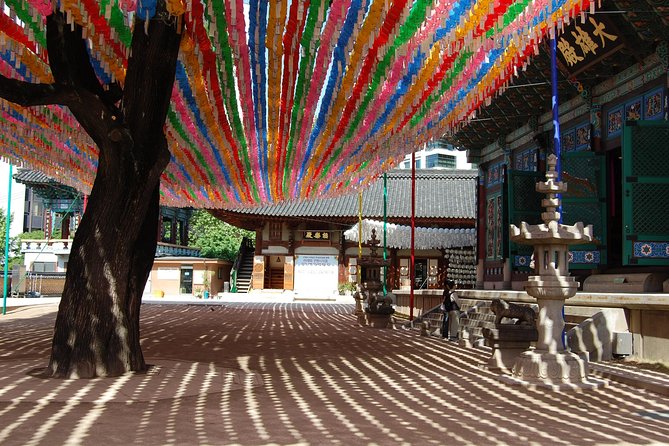
Next up is Jogyesa Buddhist Temple. Admission here is free, and the focus is on the Jogye Order of Korean Buddhism. Outside, you notice the entrance trees, including locust and baeksong trees, which add a softened, green frame to a city day.
Then you go inside the main temple hall, the Daeungjeon. The tour notes that the enlightened Buddha inside dates back about 500 years. That is the kind of detail that changes how you look at a temple. You stop thinking of it as a quick photo stop and start feeling the continuity.
This stop is brief, so make it count. Keep your pace steady, watch where the guide directs your attention, and spend a few extra seconds looking up rather than only straight ahead. Temples often reward that small extra effort.
Other history-led days in Seoul
- Seoul: Evening Dark History, Folklore & Ghost Story Walking Tour
★ 5.0 · 593 reviews - Hanbok Photoshoot and History Tour at Gyeongbokgung Palace
★ 5.0 · 276 reviews - Seoul: City Highlights and Historical Experience No Shopping
★ 5.0 · 74 reviews - Street photoshoot and Seoul Hidden gem History Walking Tour
★ 5.0 · 68 reviews - Discover Seoul: Local Life and History
★ 4.5 · 53 reviews
Lunch at a Local Korean Restaurant, Then Ginseng Reality
Around midday, you stop for lunch at a traditional Korean restaurant. You get about an hour here, and lunch is included. One thing many people like is that this is not just a boxed meal. It is a proper break in the schedule, and a good one for refueling before the village portion.
Then comes the part that can divide opinions: the ginseng center stop. The tour builds in roughly 30 minutes to learn about the ginseng industry and health product. You may also have the opportunity to purchase ginseng.
Here is my advice to keep this stop from ruining your day: go in with expectations. Yes, it is education, but it is also a retail environment by nature. If you are trying to avoid sales pressure, keep your budget clear in your head before the stop begins. If you are not shopping, treat it as a quick cultural peek into an important Korean product category, then use the time to ask questions rather than to browse forever.
Some people also mention that this kind of presentation can feel out of place compared with the palace and temple. That is a fair feeling. In the overall flow of the day, it is the most “product-focused” element. If you want purely heritage walking, you will have to mentally accept this detour.
A practical mindset: protect your enthusiasm. The palace and temple sites are the day’s anchor. The ginseng stop is a side mission.
Korean Folk Village: Craft Demonstrations and the Authenticity Test
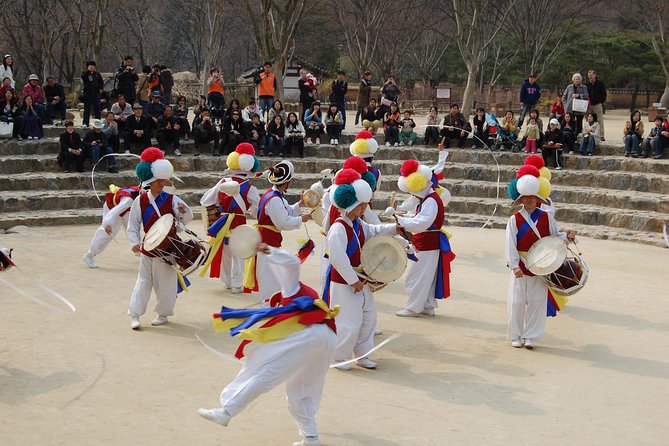
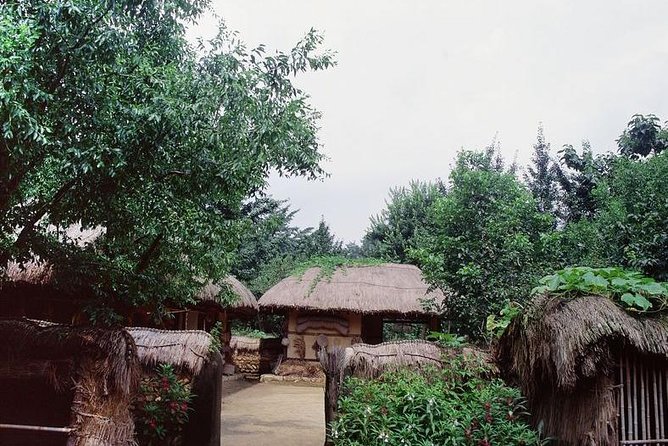
In the afternoon, you head to the Korean Folk Village, and admission is included. This is the living museum part of the tour, built to show traditional Korean life and folk culture.
You spend about 1 hour 20 minutes exploring. The big draw is watching craft activities such as pottery making, basket weaving, and hand-making of winnows. You may also see making or demonstrations tied to musical instruments, embroidery, and items made from bamboo, wood, and brass wares.
This is where the tour can really shine if you like hands-on culture. Watching process beats reading captions every time. Even if you are not buying anything, you get a real sense of how materials and skill come together.
That said, there is one caution that keeps coming up in feedback: the Folk Village can feel a bit like an attraction depending on what you expect from “heritage.” It is still designed for visitors, and some parts can feel more show than survival. If your definition of authenticity is very strict, you might prefer a quieter, less staged setting.
My take for choosing your approach: treat it as a place to learn how old skills look and sound, not as a time machine. If you shift your expectations to watching, asking, and observing craft, the value climbs fast. If you only want museums with strict historical preservation, you might feel less satisfied.
Group Size, Walking Pace, and When the Day Feels Rushed
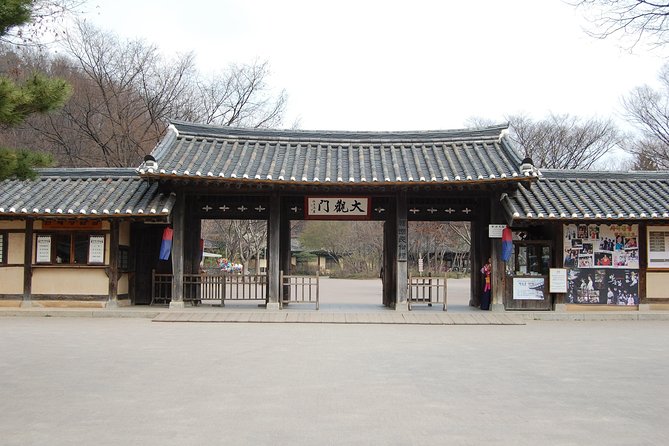
The tour involves a moderate amount of walking, so comfortable shoes matter. This is not a “sit on a bus all day” itinerary. Gyeongbokgung alone is enough to make your feet notice the pace.
The group size is capped at 10 people, and that is a big plus for day comfort. Smaller groups usually mean fewer delays and more chance to hear the guide at key moments. Still, the schedule is full, and a few short stops can feel quick once you are moving through them back-to-back.
Here’s the thing to remember: “8.5 hours” includes transit time, museum time, and structured stops. Some people find they want more guided time inside each site. If you are the type who likes to linger, you may wish there were longer breaks. If you are the type who likes a well-paced introduction, this schedule is actually a strength.
Also, English quality can vary from guide to guide in any tour system. When the guide is strong, you get clear explanations and better flow. When the guide struggles, you may feel the day turns more into “tour stops, then move along.” If you care a lot about explanation, choose a departure you can easily communicate with your tour operator ahead of time, and keep an open mind if you have to rely on visuals for a bit.
Value for Money: Is $140 Fair for This Seoul Heritage Mix?
At $140 per person, you are paying for more than entry tickets. You get hotel pickup and drop-off by air-conditioned coach, a professional guide, lunch, and multiple admissions (Gyeongbokgung Palace and the Korean Folk Village). You also get free admission at the National Folk Museum of Korea and Jogyesa Temple.
So the value question is simple: do you want a guided “big sights plus cultural context” day with transport handled? If yes, this pricing usually makes sense because you avoid the hassle of coordinating multiple locations yourself in a tight time window.
If you already plan to do palaces by yourself and you only want to see one site, then you might feel you are paying for extra stops you did not plan. The ginseng center is the most likely “why am I here” item for people. The Folk Village can also divide opinions based on taste.
My practical rule: if you enjoy a structured day, this tour is a solid way to get your bearings fast. If you prefer slow travel, choose fewer stops, and give them more time. This itinerary is built for breadth, not deep study.
Should You Book This Seoul Korean Heritage Tour?
Book it if you want a one-day Seoul intro that covers royal architecture, temple culture, and folk-life crafts, with transport and key admissions handled. I especially think it fits you if you like guided walkthroughs and want the day to feel organized rather than chaotic.
Skip it or adjust your expectations if you are very sensitive to sales-y stops. The ginseng center is part of the plan, and it can feel like a detour. And if you want your heritage to be strictly low-tour, low-stage, the Korean Folk Village might not match your vibe.
If you do book: set your mental focus on the palace and the crafts. Let the ginseng stop be a quick lesson, not a shopping mission. With that mindset, the day delivers exactly what you came for, a memorable snapshot of Seoul’s past and the culture behind it.
FAQ
What time does the tour start?
The tour starts at 8:30 am.
How long is the experience?
It runs for about 8 hours 30 minutes.
Is round-trip hotel transport included?
Yes. You get round-trip hotel pickup and drop-off by air-conditioned coach.
What are the admission rules for the stops?
Gyeongbokgung Palace and the Korean Folk Village include admission tickets. The National Folklore Museum of Korea and Jogyesa Temple stops are free.
What happens if Gyeongbokgung Palace is closed?
Gyeongbokgung Palace is closed on Tuesdays. If that happens, the tour visits Deoksugung Palace instead, and you will also tour the Seoul Museum of History.
Is lunch included?
Yes. Lunch is included at a traditional Korean restaurant.
How much walking is involved?
There is a moderate amount of walking, so comfortable walking shoes are recommended.
Can I cancel for a full refund?
Yes, you can cancel for a full refund up to 24 hours before the experience starts.
Keep Browsing Seoul
More Seoul Write-Ups
Palaces, Three More Ways
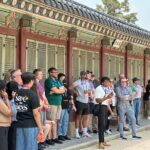
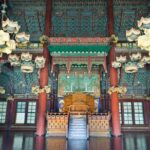
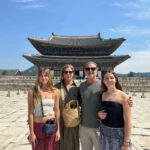
Fresh on the Seoul pile
- Unique Native Experience : Han River Picnic, Board game, BBQ★ 5.0 · 3 reviews
- 2-Hour Private Kayaking and Paddleboarding Experience in Hanriver★ 5.0 · 3 reviews
- Korean Folk Village & Suwon Hwaseong Fortress Private Tour★ 5.0 · 3 reviews
- Seoul Korean BBQ Dinner Experience with Secret Food Tours★ 5.0 · 3 reviews
- Seoul Highlights & Hidden Gems – Private Tour with Photo Service★ 5.0 · 3 reviews
- Night Food Tour in Seoul with Traditional and Modern Cuisine★ 5.0 · 3 reviews
Seoul Royal Palaces you might have missed.
 ★ 4.9Seoul: Gyeongbok Palace, Bukchon Village, and Gwangjang TourFrom $322,321 reviews
 ★ 5.0Best Seoul City Tour (Gyeongbokgung Palace,Insadong,Namsan Tower)From $581,647 reviews
 ★ 5.0Small-Group Royal Palace and Seoul City Tour (hotel pick-up)From $561,474 reviews
★ 5.0Seoul: Gyeongbok Palace, Bukchon Village, and Gwangjang TourFrom $321,044 reviews
★ 5.0Small-Group Royal Palace and Seoul City Tour (hotel pick-up)From $561,474 reviews
★ 5.0Seoul: Gyeongbok Palace, Bukchon Village, and Gwangjang TourFrom $321,044 reviews
 ★ 4.7Seoul Highlights: Gyeongbok Palace, Insadong & N Seoul TowerFrom $26726 reviews
 ★ 4.6Seoul: Hanbok Rental with Gyeongbokgung Palace EntryFrom $6611 reviews
 ★ 4.5Seoul City Half Day Tour-Gyeongbok Palace Guard Changing CeremonyFrom $38357 reviews
 ★ 4.5Seoul: Gyeongbok Palace with Gigibebe Hanbok RentalFrom $9289 reviews
Where this tour also appears