
REVIEW · JEONJU & ANDONG HANOK VILLAGES
Jeonju – Southern Korea (Private tour)
A day in Jeonju, built around flavor and craft. What makes this private tour special is the on-the-ground guide and the way it layers food with history in Jeonju Hanok Village. You get a clear, easy-to-follow route, plus the chance to try Korean culture in a hands-on way, not just by sightseeing.
Two things I really like: first, the guide helps with the language barrier so you can focus on the experience, not translation. Second, you’re not stuck with one type of meal, you move through a full cultural arc, from classic settings like shrines and academies to a kimchi cooking class and a comforting dinner finish. One possible drawback to plan for is the steady walking, so comfortable shoes matter, especially if you’re not used to a pace that stays active for hours.
In This Review
- Key highlights I’d plan around
- Jeonju Hanok Village sets the tone for the whole day
- A food-and-culture day that actually explains the why
- Stop by stop: what each cultural stop adds to your day
- Chae Myeong-sun Poetry Museum, Korean at face value
- Jeonju Fan Culture Center, art you can understand quickly
- Jeondong Catholic Church, early Western-style architecture
- Jeonju Hanok Village meal break, full of side dishes
- Jeonju Korean Traditional Wine Museum, rice brewing traditions
- Gyeonggijeon Shrine, Joseon-era symbolism
- Hanji Museum, traditional Korean paper craft
- Yangban Culture Museum, noble life during the Joseon period
- Omokdae and Imokdae, views from a historic hilltop
- Jeonjuhyanggyo Confucian school, learning tradition on foot
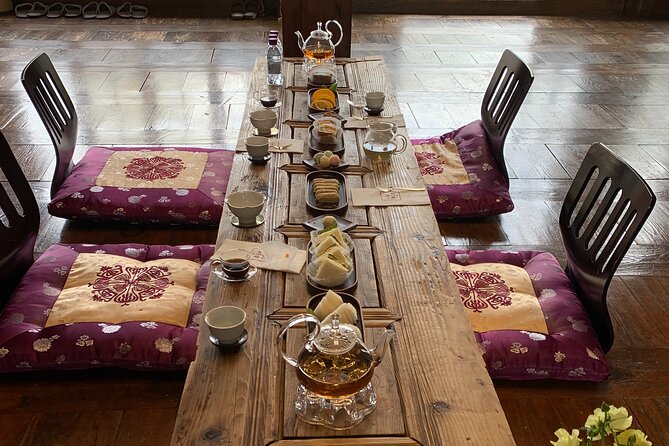
- Noble Family Tea Experience, hosted by descendants
- Kimchi cooking class with a kimchi master
- Jeonju dinner finish, bean sprout soup, rice, and bibimbap
- Price and value: is $75 a fair deal?
- Logistics that matter on a half day that feels like a full day
- Who this Jeonju private tour is best for
- Quick word on guides and the language gap
- Should you book this Jeonju private food and culture tour?
- FAQ
- How long is the Jeonju private tour?
- Where does the tour start, and when?
- What meals are included?
- Is there a kimchi cooking class?
- Is there a vegetarian option?
- Is transportation included to and from the attractions?
- Can I cancel for a full refund?
Key highlights I’d plan around
- Private pacing for up to 15 people, so you can ask questions and move at a human speed
- Kimchi-making with a kimchi master, a hands-on class where technique matters
- Full-course Hanjeongsik lunch plus a classic final bowl, Jeonju style
- Hanok Village culture stops, including paper craft, tea, and traditional noble life
- Museum and shrine visits with entry included, so you do not have to hunt tickets
Other village stays in Jeonju
Jeonju Hanok Village sets the tone for the whole day
This is a Jeonju experience that starts with the right mood: hanok architecture and traditional courtyards. Instead of only “ticking off” famous photos, the day uses Hanok Village as the connective thread. That matters because Jeonju’s food culture is tied to place and daily life, not just recipes.
Jeonju Hanok Village also works well as a base for first-time visitors. You get orienting context quickly, then you keep building it with museums, viewpoints, and cultural performances that explain how people lived and what they valued.
And since the tour is private, you’re less likely to feel rushed. The route is built to feel logical, with cultural stops that support the food stops rather than competing with them.
A food-and-culture day that actually explains the why
A lot of culinary tours show you a dish and move on. Here, the day keeps reminding you where flavors come from and how traditions were practiced. You don’t just eat, you learn the surrounding etiquette, materials, and crafts that shaped daily life.
I like that the experience blends multiple “ways of knowing”:
- You see and read about Korean traditions at museums and historic sites
- You watch craft skills in action (like hanji paper)
- You cook with a master, which makes food learning stick
This is especially useful if your goal is to take Jeonju home with you, not just remember what things tasted like.
Stop by stop: what each cultural stop adds to your day
Below is how each part of the route fits into the story, and what to watch for.
Chae Myeong-sun Poetry Museum, Korean at face value
You start at the Chae Myeong-sun Poetry Museum, with Korean poetry that is not written in Chinese characters. That detail is more meaningful than it sounds. It signals a distinct Korean literary identity, and it helps you notice language as part of culture, not just a barrier to overcome.
If you like small interpretive details, this is a good early stop because it sharpens your attention right away.
More private bookings in Jeonju
- Jeonju – Southern Korea (Private tour)
★ 5.0 · 4 reviews
Jeonju Fan Culture Center, art you can understand quickly
Next is the Jeonju Fan Culture Center. Fans here are not just souvenirs, they connect art, tradition, and elegance. Even if you are not an art person, you’ll likely find it easy to grasp because the object itself is tactile and visual.
It also breaks up the day nicely before you move into religious and historic sites.
Jeondong Catholic Church, early Western-style architecture
Jeondong Catholic Church is one of Korea’s first Western-style churches, built on sacred ground. This stop adds a big historical layer, showing how new influences entered Korea while being shaped by local meaning.
If you’re the kind of traveler who likes to connect food culture to broader history, this church stop helps keep the day from becoming one-note.
Jeonju Hanok Village meal break, full of side dishes
Then it’s back to Jeonju Hanok Village for a proper Korean meal with dozens of colorful side dishes. This is where the tour transitions from cultural context to flavor payoff.
A full-course Korean meal can feel like a feast marathon, but that’s the point. You’re meant to experience balance, variety, and how different banchan change the meal rhythm.
Jeonju Korean Traditional Wine Museum, rice brewing traditions
At the Korean Traditional Wine Museum, you’ll learn about ancient Korean brewing traditions and taste regional rice wines. This is a smart stop for food lovers because it shows fermentation and local ingredients as part of regional identity.
Alcohol is not included, so if you want to taste, plan to purchase according to what’s offered on the day.
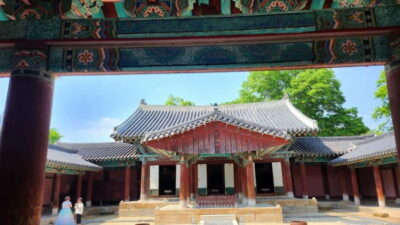
Gyeonggijeon Shrine, Joseon-era symbolism
Gyeonggijeon Shrine is centered on the portrait of King Taejo, the founder of the Joseon Dynasty. This is a longer stop for reflection and understanding rather than a “quick photo” moment.
If you want cultural depth, spend a little extra time here to read what you can and look for visual details around the shrine setting.
Hanji Museum, traditional Korean paper craft
The Hanji Museum gives you a different kind of cultural education: traditional Korean paper craft. Hanji is not just pretty paper, it represents centuries of skill and practical design, and that makes it connect well with the rest of the day’s “craft” theme.
It’s also a good mental breather before the route moves back into more historic and noble lifestyle themes.
Yangban Culture Museum, noble life during the Joseon period
The Yangban Culture Museum explores the refined lifestyle of the noble class during the Joseon period. This stop gives you cultural framing for how tea, etiquette, and everyday presentation were tied to social status and values.
If you have ever wondered why certain ceremonies feel formal, this museum helps explain the background.
Omokdae and Imokdae, views from a historic hilltop
Then you get panoramic views of Hanok Village from the historic hilltop pavilions, Omokdae and Imokdae. Views are not filler here. They reset your eyes after museums and indoor learning.
This is also a good time to slow down, take in the layout of the village, and connect the physical space to the cultural stops.
Jeonjuhyanggyo Confucian school, learning tradition on foot
Jeonjuhyanggyo Confucian School takes you into an ancient academy where Confucian scholars studied. If you’re traveling solo or with a group that likes history, this helps explain why schooling, ethics, and scholarship were so culturally central.
It’s a solid stop if you enjoy buildings with a strong sense of purpose.
Noble Family Tea Experience, hosted by descendants
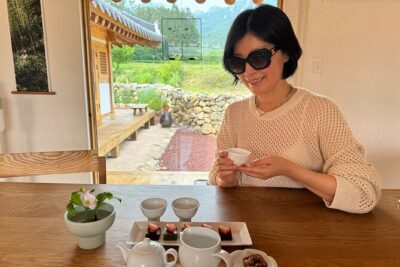
One highlight on the day is the Noble Family Tea Experience, a traditional tea ceremony in an old noble residence with noble family descendants. This is where the tour turns experiential, not just observational.
Tea ceremonies are about more than taste, you’ll likely notice that the format is slower and more careful than a casual drink. It’s also a nice contrast to the hands-on cooking class later.
Kimchi cooking class with a kimchi master
Next comes the Kimchi Cooking Class with a Kimchi Master. This is a centerpiece of the experience because it’s skill-based, not just tasting-based. You get to learn technique and process, which means you can better judge what you’re doing when you eat kimchi back home.
This is also where a private guide really pays off. You can ask questions as you cook instead of hoping you understand the directions on the fly.
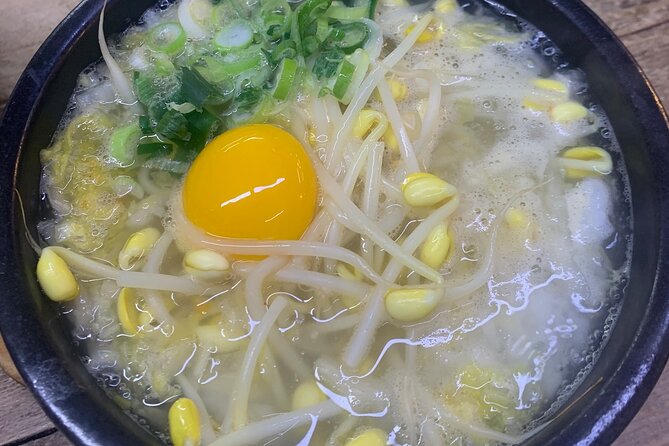
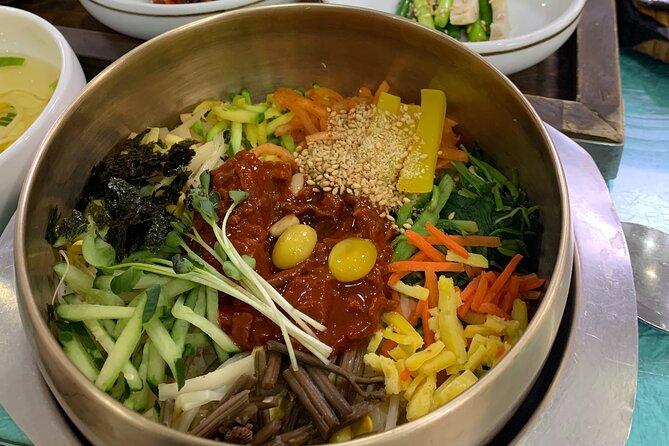
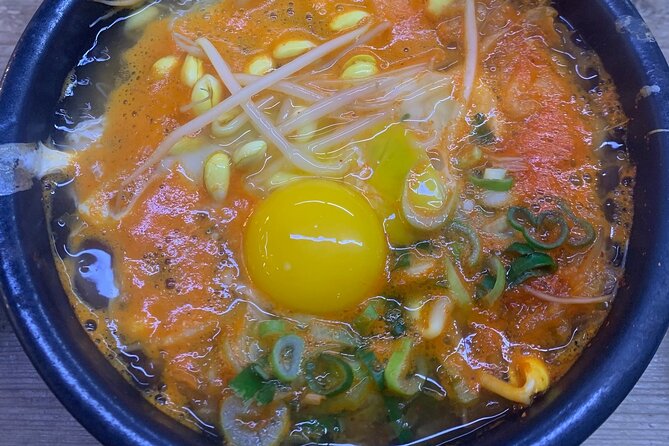
Jeonju dinner finish, bean sprout soup, rice, and bibimbap
To close the day, you end with Jeonju dinner: bean sprout soup with rice, plus bibimbap or a bibimbap-style classic finish made by the Kimchi Master. That’s a very Jeonju way to wrap things up, because bibimbap isn’t just a meal, it’s a cultural shorthand for mixing, balance, and comfort.
Bean sprout soup adds warmth and a soothing final note after a full day of active walking and learning.
Price and value: is $75 a fair deal?
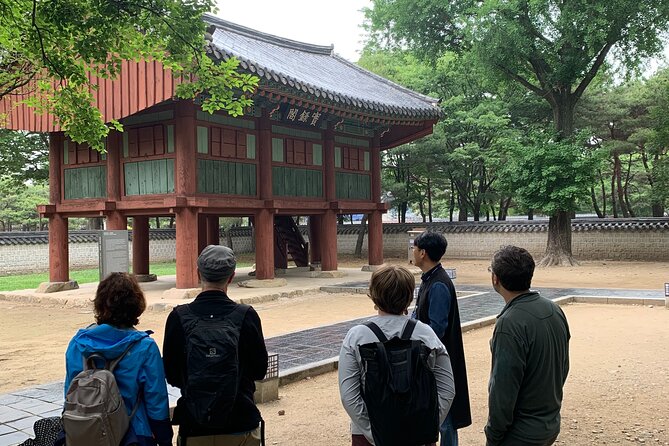
At about $75 for roughly 8 hours, this tour is priced like a value-forward cultural day, not a luxury splurge. What makes it feel fair is the bundle:
- Professional guide
- Lunch and dinner
- Kimchi-making class with a kimchi master
- Multiple included admissions across museums and historic sites
You do not have to spend time coordinating ticket purchases, and that saves both hassle and planning energy. The biggest “cost” you might pay is energy and appetite, because this is a day designed for eating several times.
Transportation is not included, so your personal cost depends on how you get to and from Jeonju Hanok Village.
Logistics that matter on a half day that feels like a full day
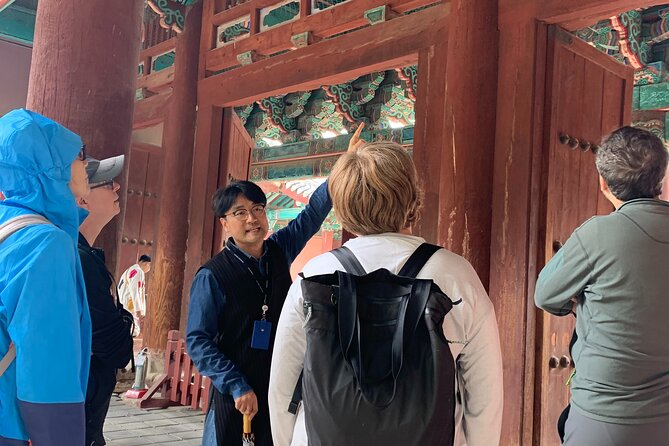
Start time is 10:00 am, and the meeting point is Jeonju Hanok Village at 99 Girin-daero, Wansan-gu, Jeonju, Jeonbuk State, South Korea. The tour ends back at the same place.
That means you’ll want to plan your day around one key location. If you’re staying nearby, life gets easy. If you’re coming from farther away, you’ll want to leave extra time to arrive early, since the schedule is tight across many stops.
It runs in all weather conditions, so bring the right layer. Also, you’ll be on your feet a lot, so a moderate fitness level helps.
Group size is capped at a maximum of 15 per booking, and it’s a private tour, meaning only your group participates.
Who this Jeonju private tour is best for
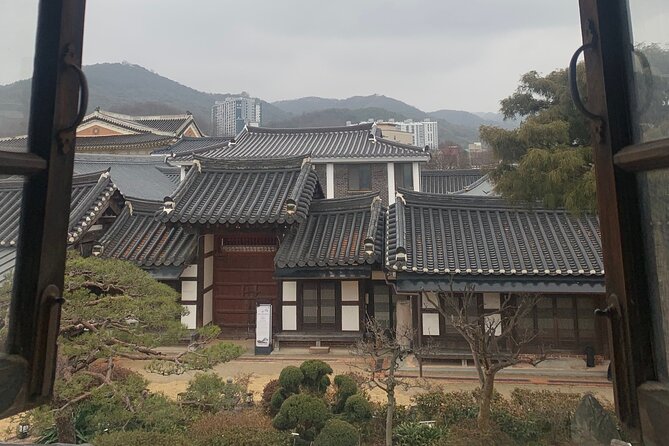
This is a strong fit if:
- You want authentic Korean culture tied to food, not just a list of dishes
- You’re comfortable walking and want a structured day with variety
- You value guidance that can help with language and ordering
- You’re traveling with friends or family and want the flexibility of a private group
If you hate walking or you’re very sensitive to schedule changes, this might feel like a busy day. It’s not a slow stroll where you can stop for long detours.
Quick word on guides and the language gap
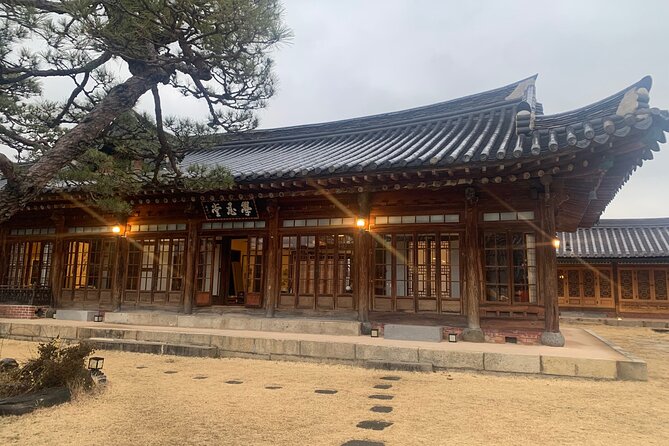
A good part of the appeal is the professional guide, sometimes multilingual. In feedback, guests have specifically called out guides who help foreign visitors feel less like an outsider and more like a participant in the culture.
One guide name that shows up in guest comments is Veronica. If you’re lucky enough to have her, it’s worth leaning into questions, because that’s how you get the most out of the cultural context.
Should you book this Jeonju private food and culture tour?
If your goal is a single day that covers Jeonju’s hanok atmosphere plus real food training, yes, I’d book it. For the price, the mix of included admissions, a master-led cooking class, and full meals is a good deal.
I’d skip it only if you know you will struggle with steady walking for hours, or if you want a purely food-only experience with minimal culture stops. This one is food plus culture, intentionally.
FAQ
How long is the Jeonju private tour?
It runs for about 8 hours.
Where does the tour start, and when?
The meeting point is Jeonju Hanok Village (99 Girin-daero, Wansan-gu, Jeonju), and the start time is 10:00 am.
What meals are included?
Lunch and dinner are included. The dinner includes bean sprout soup with rice and Jeonju bibimbap or a bibimbap-style finish.
Is there a kimchi cooking class?
Yes. The tour includes a kimchi making class led by a kimchi master.
Is there a vegetarian option?
Yes. A vegetarian option is available if you advise the provider at booking.
Is transportation included to and from the attractions?
No. Transportation to and from attractions is not included. The tour begins and ends back at the meeting point.
Can I cancel for a full refund?
You can cancel up to 24 hours in advance for a full refund. If you cancel less than 24 hours before the experience starts, the amount paid is not refunded.
Keep Browsing Jeonju
More Jeonju Write-Ups
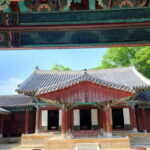
Other Hanok Village Days
Fresh on the Jeonju pile
- Jeonju – Southern Korea (Private tour)★ 5.0 · 4 reviews
- Jeonju: Essence of Jeonju, Hanok Village & Maisan Mountain★ 5.0 · 6 reviews
- Jeonju: Private Taxi Tour Car Charter★ 4.8 · 8 reviews
- Jeonju Hanok Village and Maisan Tapsa Temple Day Tour From Seoul★ 5.0 · 12 reviews
- Jeonju Hanok Village Full-Day Tour:Jangtaesan Autumn Foliage★ 4.7 · 45 reviews
Jeonju & Andong Hanok Villages you might have missed.
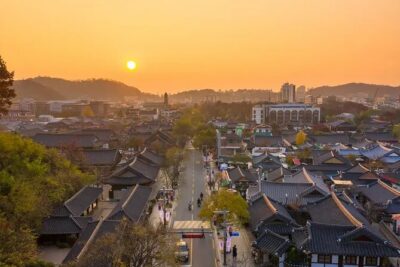 ★ 4.7Jeonju Hanok Village Full-Day Tour:Jangtaesan Autumn FoliageFrom $7445 reviews
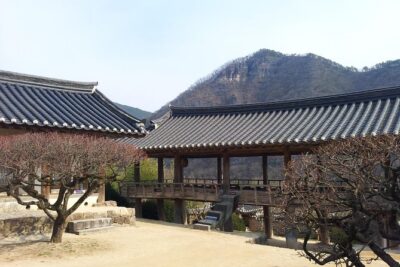 ★ 5.0Andong Hahoe Village [UNESCO site] Premium Private Tour from SeoulFrom $27424 reviews
★ 5.0Jeonju Hanok Village Full-Day Tour: Jangtaesan Autumn FoliageFrom $6016 reviews
★ 5.0Andong Hahoe Village [UNESCO site] Premium Private Tour from SeoulFrom $27424 reviews
★ 5.0Jeonju Hanok Village Full-Day Tour: Jangtaesan Autumn FoliageFrom $6016 reviews
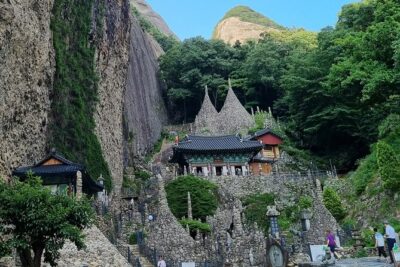 ★ 5.0Jeonju Hanok Village and Maisan Tapsa Temple Day Tour From SeoulFrom $6012 reviews
 ★ 5.0Korean Green Tea Tour – from Boseong to Gangjin (Private)From $19512 reviews
 ★ 5.0Boseong Tour : Green Tea Field, Mountain & Lake Trail (Private)From $19012 reviews
 ★ 5.0Maisan Cherry Blossom and Jeonju Hanok VillageFrom $718 reviews
 ★ 4.8Jeonju: Private Taxi Tour Car CharterFrom $1528 reviews
Where this tour also appears