
REVIEW · BUKCHON HANOK VILLAGE & INSADONG
Jeonju Hanok Village and Maisan Tapsa Temple Day Tour From Seoul
Jeonju in hanbok is a quick culture shock. This day tour pairs Jeonju Hanok Village with a visit to Tapsa Temple, plus a handful of historic stops that help the day feel more than just photo stops. I especially like that the tour includes hanbok wearing and the main entrance fees, so you can focus on the sights and not on ticket hunting.
The biggest plus is the guidance, with Dream Journey Korea’s Dos leading the day and keeping things smooth even when the group is small. You’ll also get a good balance of lively (Jeonju’s streets and food) and calm (Tapsa’s natural setting). One thing to consider: lunch isn’t included, so you should plan a meal break in Jeonju, and you may also want to bring extras for hanbok styling since hats and hair accessories are not provided.
In This Review
- Key highlights to know before you go
- A Full Day of Hanok Charm Plus Tapsa Temple Quiet
- Jeonju Hanok Village: Why the Streets Feel Like a Living Museum
- Gyeonggijeon Shrine: A Royal Shrine Stop That Adds Context
- Jeondong Catholic Church and Pungnammun Gate: History in Short, Specific Hits
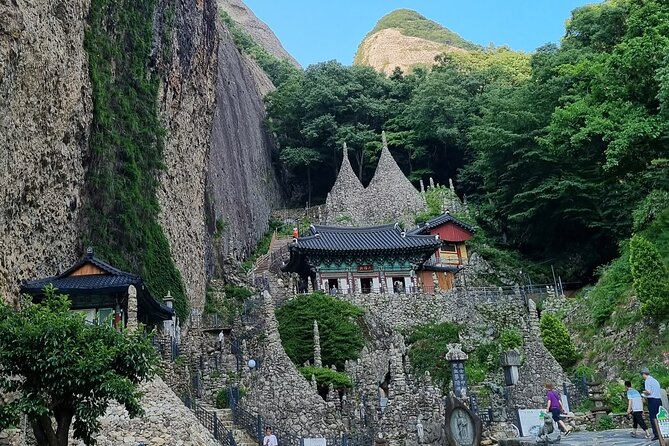
- Tapsa Temple: Upside-Down Icicle Pagodas and Mountain Calm
- Hanbok Wearing Experience: What You’ll Get, What You Should Bring
- Getting There, Group Size, and Pacing From Seoul
- Price and Value: What $60 Really Covers
- Who This Tour Fits Best (And Who Might Want Another Option)
- Should You Book This Jeonju and Tapsa Day Tour From Seoul?
- FAQ
- What is the duration of the Jeonju Hanok Village and Tapsa Temple day tour?
- How much does the tour cost?
- What’s included in the tour price?
- Is lunch included?
- What should I know about the hanbok experience accessories?
- How long do you spend at Jeonju Hanok Village and Tapsa Temple?
- Is there a group size limit?
- Is this tour okay for someone with moderate mobility needs?
- What is the cancellation policy?
Key highlights to know before you go
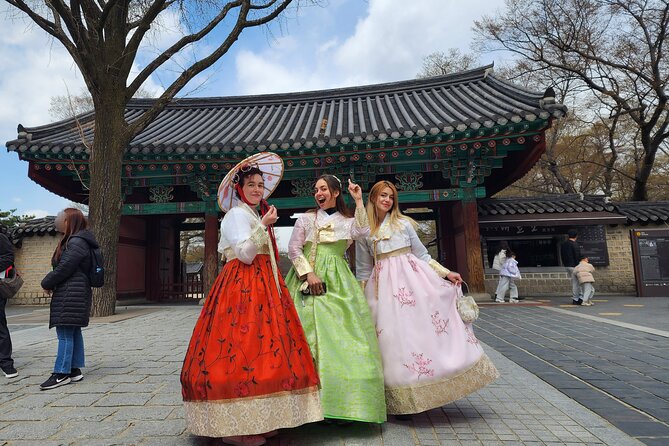
- Hanbok included for about 1.5 hours, with basic dress and a chance to look the part around the village
- Jeonju Hanok Village with a sense of scale, it’s listed as drawing around 15 million visitors in 2024
- Tapsa Temple’s stone pagodas in a striking upside-down icicle shape, plus a slower, nature-heavy visit
- Quick history texture at Gyeonggijeon Shrine, the old royal portrait shrine of the Joseon dynasty
- Small-group feel, up to 9 travelers, which makes photo stops and pacing more manageable
- Dos (Dream Journey Korea) shows up ready to guide, even when the group is tiny
Other lanes worth walking in Jeonju
A Full Day of Hanok Charm Plus Tapsa Temple Quiet
This is a long-but-doable day trip: roughly 8 to 10 hours that mixes classic Korea culture and a real dose of scenery. If you want one day that covers traditional life (in Jeonju), faith and architecture (near central Jeonju), and temple stillness (at Tapsa), this tour gives you that spread.
What makes it work for most people is the structure. You get a big signature experience first, hanbok + Jeonju Hanok Village, then you add context with historic stops, and you finish with the temple and nature. It’s a good rhythm if your Seoul itinerary is already packed and you want a day that still feels coherent.
The tour is priced at $60 per person, which is not “cheap-cheap” but it’s also not only paying for transportation. You’re also getting hanbok time, entrance fees, and round-trip transport included, so the price stacks up better than DIY if you’d otherwise have to buy multiple tickets and solve logistics.
Jeonju Hanok Village: Why the Streets Feel Like a Living Museum
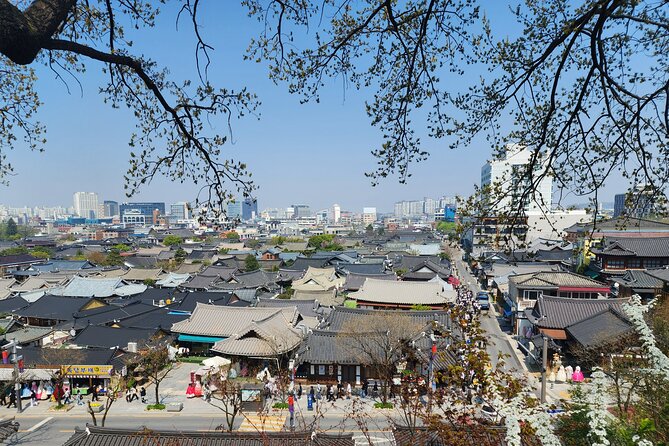
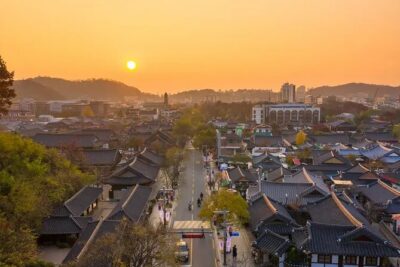
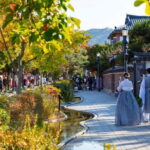
Jeonju Hanok Village is the star, and the popularity number tells you why: the village was visited by about 15 million tourists in 2024. That’s huge. In practice, it usually means you’ll find plenty of activity, lots of photo angles, and many small corners to explore.
Your time here is about 1 hour for sightseeing. That’s not enough to “fully study” the entire village, but it’s enough to get your bearings, see the traditional house layout up close, and take plenty of photos while wearing hanbok. If you’re the type who likes a quick, high-impact overview, this duration is a strength.
Practical tip: Jeonju is also about food, and the tour specifically points you toward trying Korean comfort classics like bibimbap while you’re in the village area. Since lunch isn’t included, plan to treat this as your meal stop. You’ll save money and time by choosing a place nearby rather than hunting around later.
Potential drawback: with crowds (and hanbok time), you might feel a bit rushed if you want to slow-walk every alley. If you’re traveling at a slower pace, you might spend the hour doing photos first, then come back to snack and people-watch inside the village boundaries.
Gyeonggijeon Shrine: A Royal Shrine Stop That Adds Context
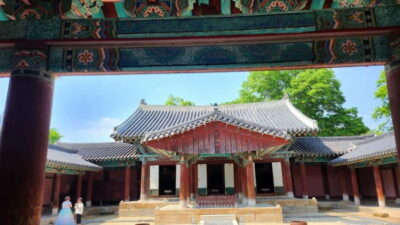
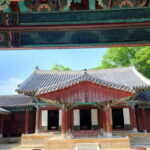
Before Jeonju’s village streets, the day includes Gyeonggijeon Shrine for about 1 hour. This is not just a pretty building. It was built to house the portrait of the first king of the Joseon dynasty, so it turns the day from “pretty traditions” into something with a clear historical thread.
Why this matters: Jeonju’s traditional vibe can feel like a costume until you understand what the culture is connected to. A shrine stop like this helps you interpret what you’re seeing later, especially if you like the idea that hanok and temple architecture are tied to long-running traditions.
You also get the practical benefit of a structured photo window. The stop is described as especially good for photos, and that’s usually because the space is organized for viewing and portraits are part of the atmosphere. If you like images with strong symmetry, this is a good time to shoot.
Jeondong Catholic Church and Pungnammun Gate: History in Short, Specific Hits
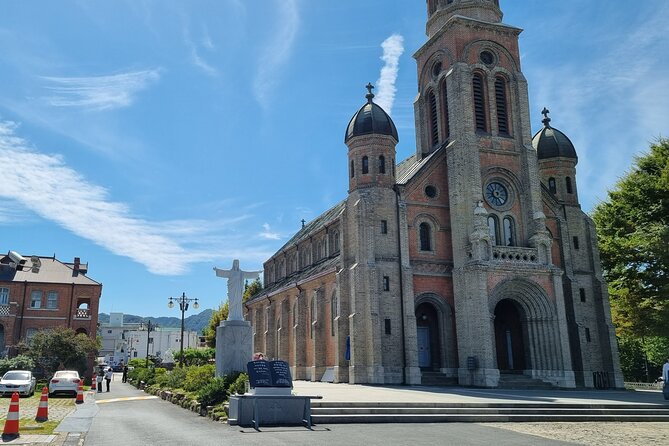
After Jeonju Hanok Village, the route includes two quick heritage stops, each brief but meaningful.
First is Jeondongseongdang Cathedral (Jeondong Catholic Church) for about 10 minutes. This is described as the first Catholic martyrium in Korea. In practical terms, you’re getting a stop that adds religious and historical depth to the day without swallowing your whole schedule. It’s short enough that you won’t lose momentum, but long enough to notice details and get oriented.
Next is Pungnammun Gate for about 10 minutes. This is the main gate of the Jeonju city fortress. Again, it’s compact, but it’s useful because it connects Jeonju’s identity to defense, city planning, and older urban boundaries. Even if you’re not a “fortress person,” a gate stop helps your mental map of where you are.
Consideration: these are short stops, so if you love deep reading in museums, you’ll likely want extra time outside this tour to learn more. Think of these stops as the day’s narrative glue, not the final chapter.
Other village stays in Jeonju
- Jeonju: Private Taxi Tour Car Charter
★ 4.8 · 8 reviews - Jeonju – Southern Korea (Private tour)
★ 5.0 · 4 reviews
Tapsa Temple: Upside-Down Icicle Pagodas and Mountain Calm
The tour’s nature and temple finale is Tapsa Temple, with about 1 hour 10 minutes on site. This is the part that makes the day feel like it traveled beyond city streets.
The headline detail is the stone pagodas shaped like upside-down icicles. That description is accurate to what draws people in, and it helps you picture why the place feels both calm and slightly eerie in the best way. The pagodas create an unusual geometry against the surrounding environment, and that makes it easy to see why CNN highlighted it as one of South Korea’s most beautiful temples.
You’re also visiting in a peaceful temple setting with magnificent nature scenery, so it’s not only architecture. You get a slower feel at the end of the day, which is important because a day trip can otherwise turn into a checklist.
Best timing note from experience patterns: one review specifically says doing this again in spring or fall would be ideal. I agree with the logic. The temple setting plus mountain views usually land better when the weather is comfortable for walking and photo time, rather than sweltering heat or heavy winter conditions.
Hanbok Wearing Experience: What You’ll Get, What You Should Bring
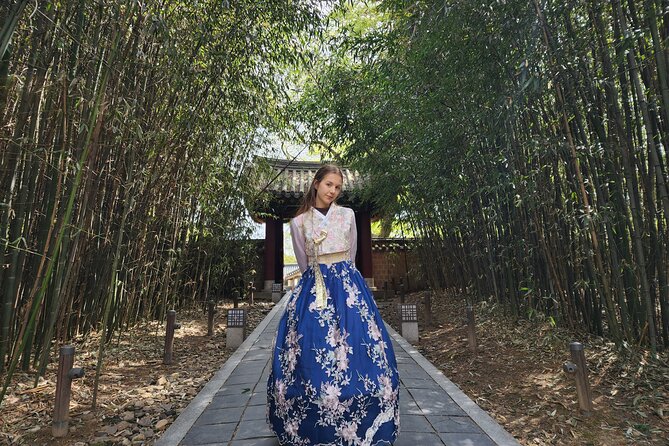
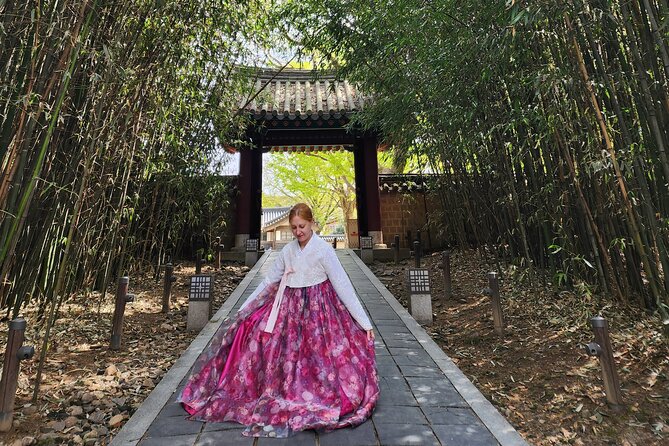
The tour includes a hanbok wearing experience (basic) for about 1.5 hours. This is one of the most valuable parts of the package because it removes the biggest DIY headache: figuring out where to rent, how long it takes, and what parts of the outfit you still need to source.
In the included items, you’ll also see every entrance fee covered, plus round-trip transportation and insurance for car accidents. So the hanbok portion isn’t the only benefit you’re paying for, it’s part of a bigger “you show up, we handle the rest” model.
What’s not included: hair accessories and hats for the hanbok experience. That’s a detail worth taking seriously because the outfit can look “almost right” without finishing touches. You have a few options: either plan to style hair simply without the extras, or bring what you need if you already own matching accessories. If you don’t, you can still enjoy the hanbok look, just don’t expect the full headpiece set to be provided.
Practical tip: wear comfortable shoes. Hanbok is beautiful, but it’s not built for long-distance hustling. Keep your steps smooth, especially in busy village lanes and temple stairs.
Getting There, Group Size, and Pacing From Seoul
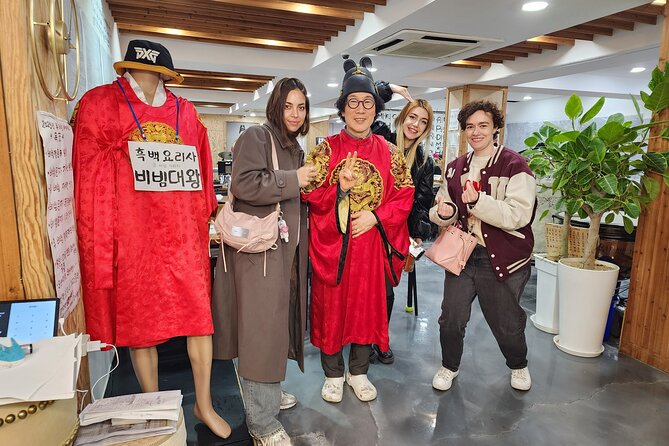
You’re starting from Seoul, and you’ll have round-trip transportation included. The day is designed like a guided loop: shrine, hanok village, quick church and gate stops, then Tapsa.
Group size is capped at maximum 9 travelers, which usually means you get a more personal guide experience than big-bus tours. That matters for photo timing and for asking questions when you actually want answers. It also helps if you’re traveling with family, since the guide can keep attention spread without letting the group split completely.
Mobile ticket is included, which is handy because it reduces paper fuss. You also get confirmation at the time of booking, so you’re not stuck waiting for a voucher email after you pay.
One more practical point from the tour notes: you’ll want moderate physical fitness. This doesn’t sound like extreme hiking, but temples and older streets can involve walking, curbs, and stairs. If you have mobility concerns, it’s worth planning your pace and bringing appropriate footwear.
Price and Value: What $60 Really Covers
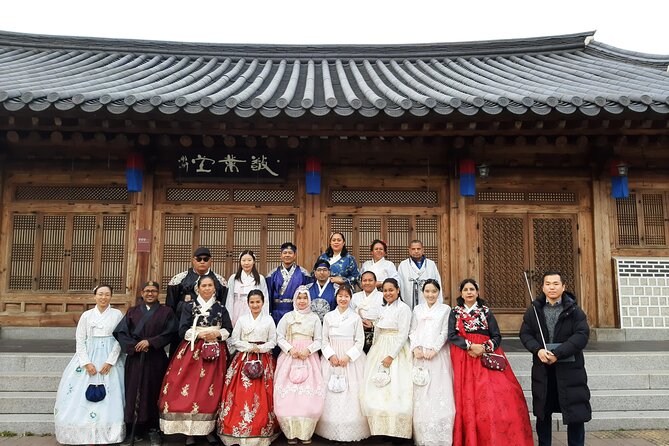
At $60 per person, you’re paying for more than sightseeing. The tour includes:
- Hanbok wearing (basic) for about 1.5 hours
- Entrance fees for the listed stops
- Round-trip transportation from Seoul
- Car accident insurance
Not included:
- Lunch
- Travel insurance
- Hair accessories and hats for hanbok
Here’s the value logic I like: if you were to DIY this, you’d likely spend time figuring out how to get to Jeonju, how to handle multiple entrance tickets, and how to schedule hanbok rental without losing half your day. Even if you’re a confident planner, the time cost is real.
The price also makes sense for a small group. In a group of up to 9, the guide effort per person is higher than the typical large tour, and you’re paying for that guidance plus the included entry tickets.
The one clear cost you still need to plan for is lunch. Treat that as part of your budgeting and your fun. Jeonju is a place where eating is part of the culture you came to see.
Who This Tour Fits Best (And Who Might Want Another Option)
This day trip is a strong fit if you want:
- A traditional culture day without complex logistics
- Time in Jeonju Hanok Village wearing hanbok
- A mix of city history and temple calm
- A guided experience led by Dos from Dream Journey Korea, who has shown up reliably even when the group is small
It’s especially good for first-timers who don’t want to guess at what matters most in Jeonju. It’s also a solid pick for families, since the guidance is described as accommodating.
Who might consider a different plan: if you want lots of free time to wander without a schedule, the fixed stops and durations could feel tight. Also, if you’re mainly chasing one thing, like only Jeonju shopping or only temple hiking, you may prefer a more focused half-day style itinerary.
Should You Book This Jeonju and Tapsa Day Tour From Seoul?
If your goal is one memorable day that combines hanok culture with a visually distinctive temple and nature setting, I’d book it. The included hanbok time and entrance fees are doing real work for the price. The small group size also feels like a practical advantage, not a marketing line.
Book this if you:
- Want to photograph Jeonju in traditional dress
- Care about having a guide connect the dots at historical stops
- Prefer a structured day you can finish without transportation stress
- Plan to eat lunch in Jeonju, since lunch isn’t included
Skip it if you:
- Need lots of unscheduled time
- Have very limited mobility and want minimal walking
- Don’t want to handle additional personal prep for hanbok styling (since hats and hair accessories aren’t included)
FAQ
What is the duration of the Jeonju Hanok Village and Tapsa Temple day tour?
The tour runs about 8 to 10 hours.
How much does the tour cost?
The price is $60.00 per person.
What’s included in the tour price?
It includes hanbok wearing experience (basic, about 1.5 hours), every entrance fee, round-trip transportation, and insurance for car accidents.
Is lunch included?
No. Lunch is not included.
What should I know about the hanbok experience accessories?
Hair accessories and hats are not included with the hanbok experience.
How long do you spend at Jeonju Hanok Village and Tapsa Temple?
Jeonju Hanok Village is about 1 hour, and Tapsa Temple is about 1 hour 10 minutes.
Is there a group size limit?
Yes. The tour has a maximum of 9 travelers.
Is this tour okay for someone with moderate mobility needs?
The activity calls for travelers with a moderate physical fitness level.
What is the cancellation policy?
You can cancel for a full refund up to 24 hours before the experience starts. If you cancel less than 24 hours before start time, the amount paid is not refunded.
Other Hanok Village Days

Keep Wandering the Hanok Lanes
Fresh on the Jeonju pile
- Jeonju – Southern Korea (Private tour)★ 5.0 · 4 reviews
- Jeonju: Essence of Jeonju, Hanok Village & Maisan Mountain★ 5.0 · 6 reviews
- Jeonju: Private Taxi Tour Car Charter★ 4.8 · 8 reviews
- Jeonju Hanok Village and Maisan Tapsa Temple Day Tour From Seoul★ 5.0 · 12 reviews
- Jeonju Hanok Village Full-Day Tour:Jangtaesan Autumn Foliage★ 4.7 · 45 reviews
Bukchon Hanok Village & Insadong you might have missed.
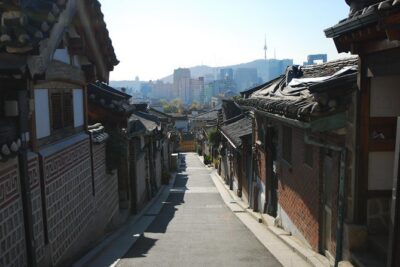 ★ 4.9Seoul: Gyeongbok Palace, Bukchon Village, and Gwangjang TourFrom $322,321 reviews
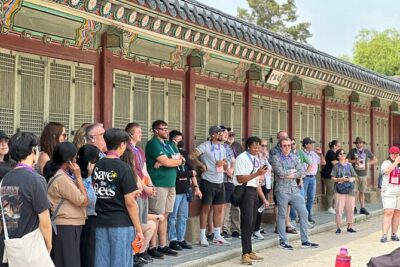 ★ 5.0Best Seoul City Tour (Gyeongbokgung Palace,Insadong,Namsan Tower)From $581,647 reviews
★ 5.0Seoul: Gyeongbok Palace, Bukchon Village, and Gwangjang TourFrom $321,044 reviews
★ 5.0Best Seoul City Tour (Gyeongbokgung Palace,Insadong,Namsan Tower)From $581,647 reviews
★ 5.0Seoul: Gyeongbok Palace, Bukchon Village, and Gwangjang TourFrom $321,044 reviews
 ★ 4.7Seoul Highlights: Gyeongbok Palace, Insadong & N Seoul TowerFrom $26726 reviews
 ★ 4.0Korean Palace and Market Tour in Seoul Including Insadong and Gyeongbokgung PalaceFrom $89174 reviews
 ★ 4.8Seoul: Gyeongbok Palace and Bukchon Hanok Walking TourFrom $88157 reviews
 ★ 5.0Best Walking Tour to Gyeongbok Palace Bukchon Hanok VillageFrom $88138 reviews
 ★ 5.0Carve Your Personal Korean Stone Seal with Jeongju in InsadongFrom $42134 reviews
Where this tour also appears