
REVIEW · DMZ & BORDER TOURS
From Seoul: Private DMZ and Odusan Observatory Full-Day Tour
Borders feel close here. This private DMZ day from Seoul is built around the spy-commando infiltration route and includes real access points that most people never see, plus a guided stop at Imjingak Peace Park. I love the private format with a local English-speaking guide, and I love going beyond viewpoints to a South Korean military outpost where the border feels immediate. One drawback to plan for: you need a valid passport, and there’s a moderate amount of walking.
The day moves at a human pace. I like that you get time for photos and a proper lunch, not just a quick snack stop, and that the food includes North Korean style BBQ duck plus vegetarian options. If you’re expecting a relaxed, chair-only outing, adjust your expectations a bit.
You’ll also get a guide you can actually ask questions to. English, Japanese, and Korean are available, and guide names like Shrek, Shaun, Jimmy, and Alfonso show up in people’s experiences, suggesting a team that takes interpretation seriously rather than treating the day as a drive-by. With that said, you should be comfortable with the overall DMZ atmosphere, including military escort routines and the fact that access can be tightly controlled.
In This Review
- Key highlights to look for on this DMZ day
- A full-day DMZ spy-route tour, not a quick bus stop
- Driving from Seoul to the DMZ: why the journey is part of the story
- The infiltration route stop: where the conflict becomes concrete
- Imjingak Peace Park: war artifacts, bunkers, and a sobering viewpoint
- Walking along the DMZ fence line: soldiers, patrols, and controlled access
- A real South Korean military outpost: the part that changes your perspective
- Odusan observation point: the 2-kilometer farming village viewpoint
- Lunch of BBQ duck and vegetarian options: where the day relaxes
- Timing, walking, and how to dress for a controlled day
- Languages, private guiding, and why questions matter here
- Price and value: is $200 per person fair for this DMZ access?
- Who should book this private DMZ day
- Should you book this From Seoul: Private DMZ and Odusan Observatory Full-Day Tour?
- FAQ
- How long is the tour from Seoul?
- What is included in the price?
- Is lunch included, and does it have vegetarian options?
- Do I need a passport?
- What language is the live guide?
- Is this a private group tour?
- Is pick-up from my hotel in Seoul included?
- Is there moderate walking during the tour?
- Is the tour refundable if plans change?
Key highlights to look for on this DMZ day
Private vehicle from Seoul with pick-up and drop-off, so your timing stays flexible.
Spy-route DMZ briefing focused on the infiltration history, not just generic facts.
Imjingak Peace Park stops with war artifacts, artillery, and military bunkers.
Military outpost access to help you understand how the border really operates.
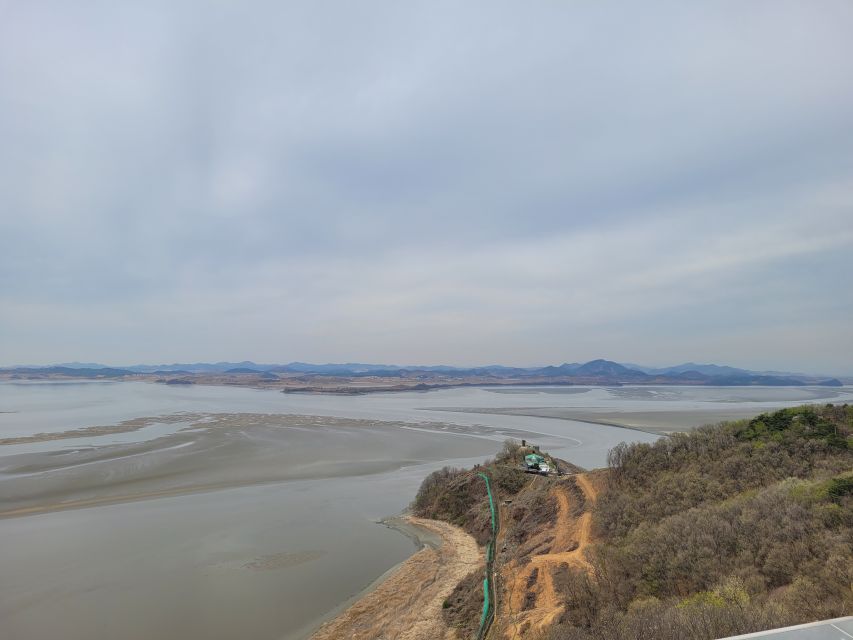
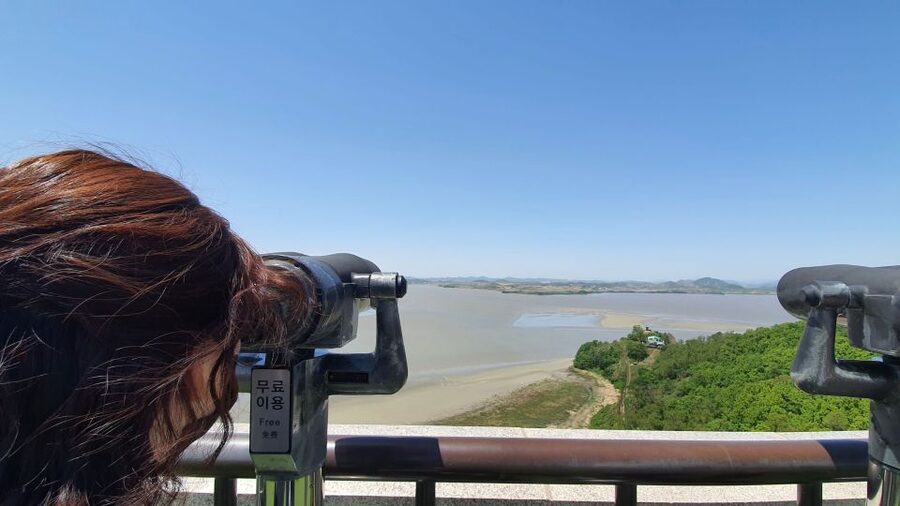
Odusan observation point view toward a North Korean farming village about 2 kilometers across.
BBQ duck lunch with options including vegetarian choices at the lunch stop.
Other routes to the border, side by side
A full-day DMZ spy-route tour, not a quick bus stop
A DMZ tour can feel like two different things. One is the postcards version, where you snap a photo and call it done. The other is what this day is designed for, a full-day private experience that connects history, geography, and today’s tension into a single route you can follow step by step.
The value starts with the private vehicle and guide. Instead of being stuck waiting for a large group, you can keep moving, take breaks when you need them, and ask follow-up questions when something clicks. The tour also has enough time to balance formal stops with the practical parts of the day, like getting out for photos and sitting down for lunch.
You’re paying for access and interpretation. At $200 per person for a 10-hour day, it’s not a budget pickup-and-go trip. But your package includes entrance fees for the visiting places, a guided English-speaking experience, and lunch, which matters because DMZ days often add up quickly once you start paying for separate tickets and meals.
Driving from Seoul to the DMZ: why the journey is part of the story
The tour begins with pick-up in Seoul and a comfortable transfer north to the Demilitarized Zone. That drive is more than just time on the road. It helps you build a mental map before you ever reach the border.
On the way, you’ll likely pause for viewpoints and photo breaks, including a break time and photo stop in Paju-si, plus a scenic stretch of driving where your guide can set the scene for what comes next. Even if you think you already know the basics, it’s useful to hear the route explained before you stand in front of the real checkpoints, fences, and observation points.
This is also where the private format pays off. If you get motion sick easily, need a restroom stop, or want to adjust the pace slightly, you can often ask your guide to help. You still have a schedule, but it feels like your day, not a standard itinerary that never changes.
The infiltration route stop: where the conflict becomes concrete

The most important early concept in this tour is the spy-commando infiltration route. Instead of treating the DMZ as one wide, quiet line, your guide frames it as terrain that mattered operationally, with routes that once guided North Korean spy attempts into South Korea.
You’ll visit the site where those spy commandos fought with Korean and US combined special forces. That detail changes how you process the land. It turns the area from scenery into a place with specific stakes, like why certain observation points matter and how the border’s layout shapes movement, detection, and response.
What I like about this approach is that it gives you a reason to look closely. You’re not just hearing that the peninsula is tense. You’re being shown how earlier clashes affected what people built, patrolled, and watched. This can be emotionally heavy, but it’s also one of the most “real” parts of a DMZ day because it connects story to place.
Practical note: be ready for a controlled-feeling environment. Even when you’re allowed to walk and view, the military presence is part of the experience, and your guide will likely steer you with clear instructions.
Imjingak Peace Park: war artifacts, bunkers, and a sobering viewpoint
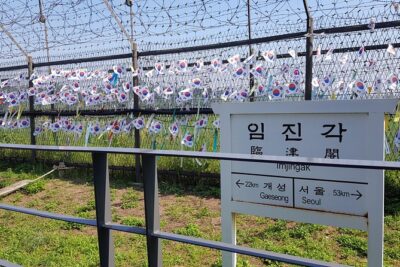
Imjingak Peace Park is the stop where the DMZ becomes more than just a border fence. This area is designed to help you understand the war’s human cost and the ongoing division through visible objects.
You’ll see war artifacts, artillery, and military bunkers. Those are the kinds of things that make history feel less abstract. A photo can capture a structure, but an artifact does something different. It makes you realize how much effort goes into defense, and how long those systems and memories last after the fighting.
What you should do here is slow down. Use the time to look at details and ask your guide what you’re seeing and why it remains relevant. If you’re the type who likes context, you’ll probably enjoy the way your guide explains the history of the area and the tensions still shaping daily life.
One possible drawback: this stop can be emotionally confronting. If you tend to dislike heavy war-related imagery, give yourself permission to take breaks and focus on the interpretive parts rather than forcing yourself to absorb everything at once.
More private bookings in Seoul
- Private DMZ Tour (No Shopping): 3rd Tunnel & Suspension Bridge
★ 5.0 · 607 reviews - Seoul City Private Full-Day Tour Including Lunch
★ 5.0 · 469 reviews - Private DMZ the 3rd Tunnel Tour from Seoul (optional Red Bridge)
★ 5.0 · 429 reviews - Seoul Highlights & Hidden Gems Tours by Locals: Private + Custom
★ 5.0 · 359 reviews - Premium Private DMZ Tour & (Suspension Bridge or N-Tower) include lunch
★ 5.0 · 348 reviews
Walking along the DMZ fence line: soldiers, patrols, and controlled access

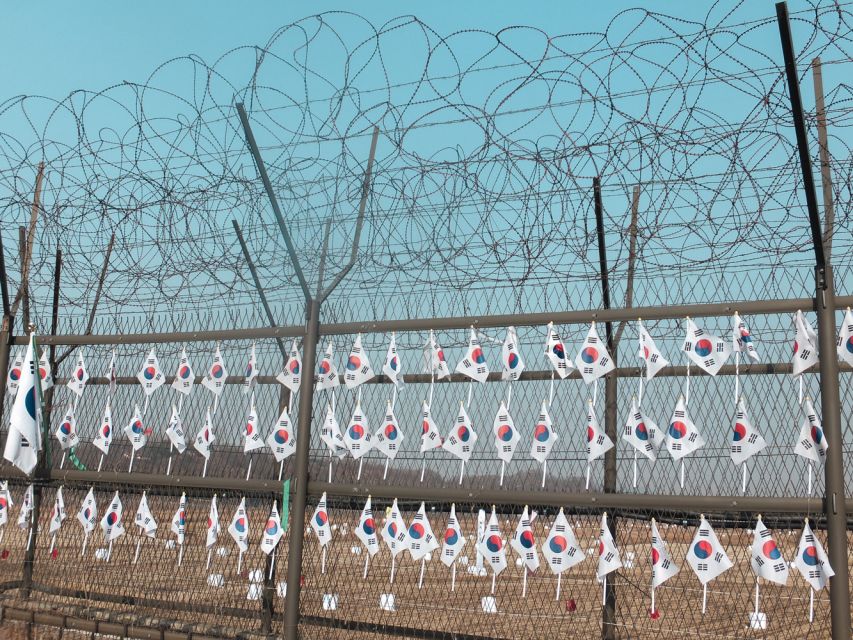
After Imjingak, the tour shifts into the “border operations” mode. You follow your guide along the DMZ’s barbed wire fence past soldiers patrolling the border. That’s a key difference between this tour and the typical “stand behind a railing” experience.
Here’s what makes it worth your time: you’re watching the border as an active system. The presence of soldiers and the regular patrol routines show you this is not a museum line. It’s a living boundary with ongoing responsibilities.
You may also encounter restrictions related to photography and observation. Some viewing platforms can include binoculars, but you should expect some limitations during military escorted segments. The practical takeaway: treat instructions seriously, and don’t plan to shoot everything like you’re at a tourist attraction. You’ll still get plenty of photos if you focus on what the guide allows.
If you’re sensitive to the atmosphere, plan for it. This part can feel intense because you’re so close to another reality. The benefit is that you leave understanding the DMZ not as a concept, but as a working border.
A real South Korean military outpost: the part that changes your perspective
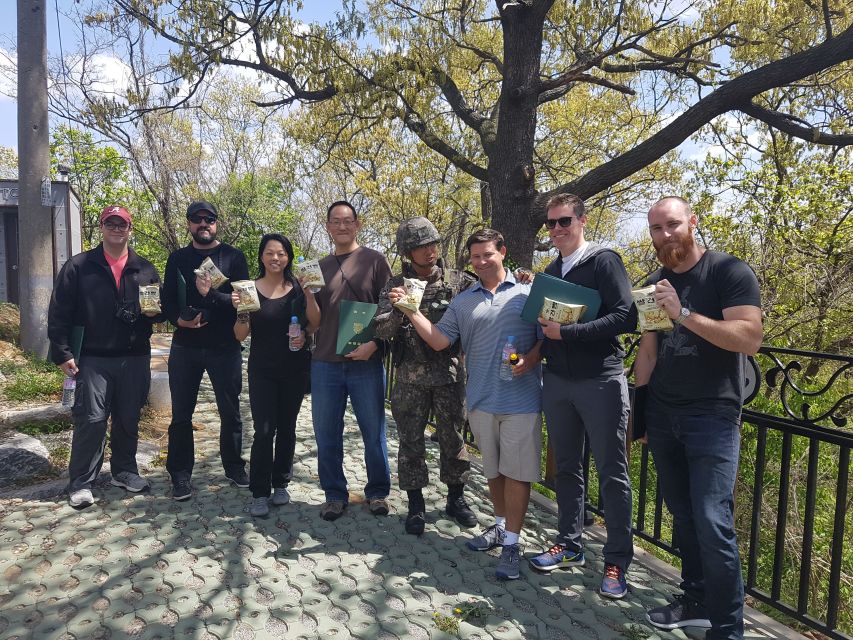
One of the biggest reasons people choose a private DMZ tour like this is the chance to go inside a real South Korean military outpost. This tour includes that kind of access, and it’s the stop that often makes everything else click.
When you step into a military facility, you start noticing things you would miss from far away. The way people talk about security, the way they organize visibility, and the way the area is managed becomes clearer. It’s also where the guide’s storytelling can feel most grounded, because you’re not only learning about the past. You’re seeing how the present handles the threat.
The tour is described as following the spy-route story, so this outpost stop feels connected rather than random. Instead of jumping between sites, you’re moving through a coherent narrative about infiltration, countermeasures, and why the border stays so tightly monitored.
Reviews also hint that guides sometimes bring extra personal context. For example, one guide is described as having served with the US Army, which can add a practical layer to how the day’s events are explained. Other guides, like Shrek, are praised for strong communication and a balanced approach to North and South Korea topics. Even so, remember that the guide experience depends on who you’re assigned.
Odusan observation point: the 2-kilometer farming village viewpoint
Later in the day, you’ll head to Odusan observation point. This is where the DMZ becomes brutally visual in a different way.
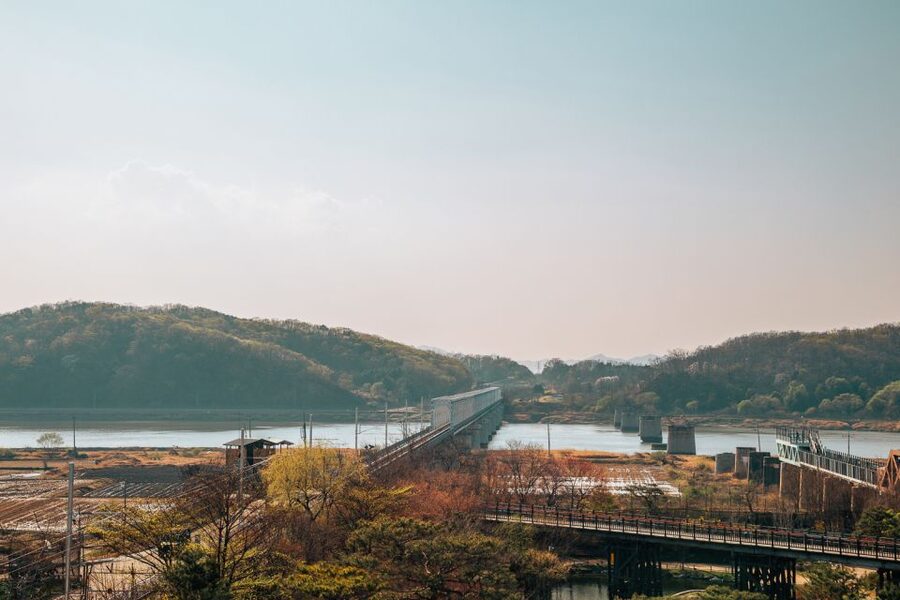
You’ll see a North Korean farming village across the border, just 2 kilometers over the river. Even if you’ve read about the DMZ for years, that kind of distance is startling. It forces you to reconcile headlines with daily life, because you’re looking at what people grow and how communities operate on the other side.
What makes this stop especially valuable is that it’s not just about conflict. You’re also seeing the normal functions of a divided peninsula. It helps you understand why the border’s tension matters to ordinary people, not only to soldiers.
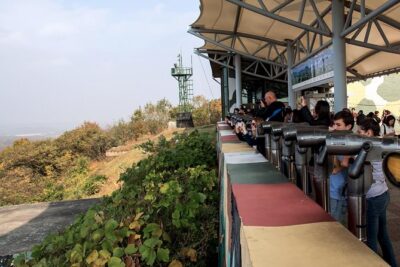
If you like photography, this is a great time to use it. Just be ready for observation rules. Some points are meant for viewing rather than unrestricted filming, so keep your camera ready but flexible.
Lunch of BBQ duck and vegetarian options: where the day relaxes
Then comes lunch, one of the best parts of a long DMZ day. Your included meal features BBQ duck, with vegetarian options available. This matters because the DMZ day can be mentally heavy, and a solid meal gives you a reset.
A few guide-led experiences also describe the lunch spot as having a strong condiment selection, including fermented soybean paste. That kind of detail is exactly why I think this is a smart inclusion. You get a taste tied to the theme of the day, rather than a generic Western lunch that breaks the mood.
If you’re vegetarian, don’t assume this will be an off-menu request. The tour data explicitly says the lunch includes vegetarian options, and reviews praise the way guides have handled vegetarian meals and even special needs for families. Still, if you have a serious allergy or strict dietary requirement, I’d message the operator in advance so they can confirm what’s possible.
Timing, walking, and how to dress for a controlled day
This is a 10-hour day with moderate walking. That means comfortable clothes and shoes are not optional advice. Even if you’re only walking between controlled stops, the ground can be uneven, and you may spend time standing at viewing points.
The tour also requires a current valid passport. Bring it with you on the day of travel, because DMZ access runs on identification checks. Plan to keep it easy to reach, not buried in a deep pocket.
Dress for the weather more than the typical Seoul forecast. You may be outside during fence-line viewing and at observation points. Layers help, and so do shoes you can walk in for the whole day without thinking about it.
Languages, private guiding, and why questions matter here
The guide is available in English, Japanese, and Korean, and the tour is a private group. That last part matters because DMZ topics can be nuanced, and a private guide can respond to your questions without rushing you.
People who go on this tour often focus on stories, not just facts. Guides like Shrek are praised for organization and communication, including explaining the ongoing relationship between the two Koreas. Another guide is described as being friendly and sharing unique perspectives, which is a big deal for a subject that can easily turn into one-sided talking points.
For you, that means you can steer the conversation. Ask about what you saw at Imjingak, ask how fence-line patrols actually work, and ask why Odusan’s viewpoint is set where it is. A good DMZ guide helps you connect dots so you don’t leave with scattered photos and no sense of meaning.
Price and value: is $200 per person fair for this DMZ access?
At $200 per person, this isn’t a “cheap thrill.” But it also isn’t just paying for a seat in a vehicle.
Your included value includes:
- Entrance fees for the visiting places
- Lunch (BBQ duck or equivalent)
- A local English-speaking guide
- Private vehicle with pick-up and drop-off in Seoul
When you price DMZ access separately, and add a private guide plus a driver, you usually see costs climb fast. Here, the structure is straightforward. You pay for the full day, and you get a coherent route with access points that require more than basic sightseeing.
If you’re traveling solo or as a couple, the private format can make the price feel more reasonable because you avoid the “everyone pays but nobody gets attention” problem of group tours. If you’re on a strict budget and don’t care about military outpost access or guided context, then a cheaper option might exist. But if you want the border to feel real, not just visible, the included guide time and access help justify the cost.
Who should book this private DMZ day
I’d point you toward this tour if you:
- Want a guided DMZ day focused on the spy-commando infiltration story
- Like history explained through specific sites, not only general lectures
- Prefer private guiding so you can ask questions and move at a comfortable pace
- Eat BBQ duck and are happy to also consider vegetarian lunch options
I’d think twice if you:
- Have mobility limitations, since the tour is not suitable for wheelchair users and people with mobility impairments
- Expect a fully relaxed day with minimal walking
Also, if you’re bringing kids, it can work because the day includes controlled stops and a private setting where your guide can coordinate needs. You should still be prepared for a serious atmosphere and moderate walking.
Should you book this From Seoul: Private DMZ and Odusan Observatory Full-Day Tour?
Book it if you want a DMZ day that feels structured, guided, and closer to how the border functions than how it looks on a map. The combination of Imjingak Peace Park, fence-line viewing, a South Korean military outpost, and the Odusan farming village viewpoint gives you a full picture in one day.
Skip it if you hate walking, dislike war-related context, or you’re hoping for a casual photo stop. The DMZ is tightly controlled, emotionally intense, and outdoors in parts. But if those are acceptable for you, this private format, included lunch, and real access points make it a strong choice for a meaningful day from Seoul.
FAQ
How long is the tour from Seoul?
The tour runs for 10 hours.
What is included in the price?
Entrance fees for all visiting places, lunch (BBQ Duck or equivalent), a local English-speaking guide, a private vehicle, and pick-up and drop-off service in Seoul.
Is lunch included, and does it have vegetarian options?
Yes. Lunch is included and features BBQ duck or an equivalent option, and vegetarian options are available.
Do I need a passport?
Yes. A current valid passport is required on the day of travel.
What language is the live guide?
The live tour guide is available in English, Japanese, and Korean.
Is this a private group tour?
Yes, it is a private group.
Is pick-up from my hotel in Seoul included?
Yes. Pick-up and drop-off service is included from your accommodation in Seoul.
Is there moderate walking during the tour?
Yes, a moderate amount of walking is involved, so comfortable clothes and shoes are recommended.
Is the tour refundable if plans change?
You can cancel up to 24 hours in advance for a full refund.
Keep Browsing Seoul

More Seoul Write-Ups
The Border, Other Routes In
Fresh on the Seoul pile
- Unique Native Experience : Han River Picnic, Board game, BBQ★ 5.0 · 3 reviews
- 2-Hour Private Kayaking and Paddleboarding Experience in Hanriver★ 5.0 · 3 reviews
- Korean Folk Village & Suwon Hwaseong Fortress Private Tour★ 5.0 · 3 reviews
- Seoul Korean BBQ Dinner Experience with Secret Food Tours★ 5.0 · 3 reviews
- Seoul Highlights & Hidden Gems – Private Tour with Photo Service★ 5.0 · 3 reviews
- Night Food Tour in Seoul with Traditional and Modern Cuisine★ 5.0 · 3 reviews
DMZ & Border Tours you might have missed.
 ★ 5.0Best DMZ Tour Korea from Seoul (Red Suspension Bridge Optional)From $2941,422 reviews
 ★ 5.0DMZ Tour: 3rd Tunnel, Option(Suspension Bridge, Boat) from SeoulFrom $3521,373 reviews
 ★ 5.0DMZ tour south Korea from Seoul (NK experience hall, defector)From $2620,599 reviews
 ★ 4.9DMZ Insider Tour: 3rd Tunnel, NK Defector Meet & Red BridgeFrom $5015,214 reviews
 ★ 4.8Seoul: DMZ Tour with Optional Suspension BridgeFrom $455,277 reviews
 ★ 5.0Signature DMZ Tour: Exclusive Defector Talk & Suspension BridgeFrom $274,459 reviews
 ★ 5.0Thrilling Korean DMZ 3rd Tunnel Tour from Seoul + Red Bridge RushFrom $353,097 reviews
 ★ 5.0DMZ Past and Present: Korean Demilitarized Zone Tour from SeoulFrom $372,481 reviews
Where this tour also appears