
REVIEW · DMZ & BORDER TOURS
From Seoul: DMZ Tour and North Korea Experience Hall
Border views. Real human stories behind them. This DMZ day trip stands out because it pairs the North Korea Experience Hall with major DMZ landmarks, so you get context, not just distant photos.
I especially like that you’re not left to piece things together on your own. You get an English-speaking guide, transport from Seoul, and a set day flow that includes Imjingak, Freedom Bridge, and Dora Observatory with commentary. The one caution is weather, since visibility toward the North can get noticeably worse in rainy or low-visibility conditions.
In This Review
- Key highlights worth your time
- A one-day DMZ plan that starts with the North Korea Experience Hall
- Getting to the DMZ smoothly: pickup, group size, and pace
- Imjingak Park and Freedom Bridge: why early context helps
- Dora Observatory and the Third Tunnel area: what to focus on
- Gamaksan Suspension Bridge, Aegibong Peace Eco Park, and walking time
- Why Gyeongbokgung gets added at the end
- Price and value: what you’re really paying for
- Weather, photos, and what to pack for a smooth day
- Who this tour fits best, and who should rethink it
- Should you book this DMZ and North Korea Experience Hall tour?
- FAQ
- How long is the tour from Seoul?
- Where do you get picked up in Seoul?
- Is an English-speaking guide included?
- Does the tour include admission to the North Korea Experience Hall and DMZ landmarks?
- Is lunch or any meals included?
- Do I need a passport to enter the DMZ?
- Is there a live Q&A with a North Korean defector?
- Is a photo with the defector included?
- Is smoking allowed during the tour?
- Is this tour suitable for wheelchair users or people with mobility impairments?
Key highlights worth your time
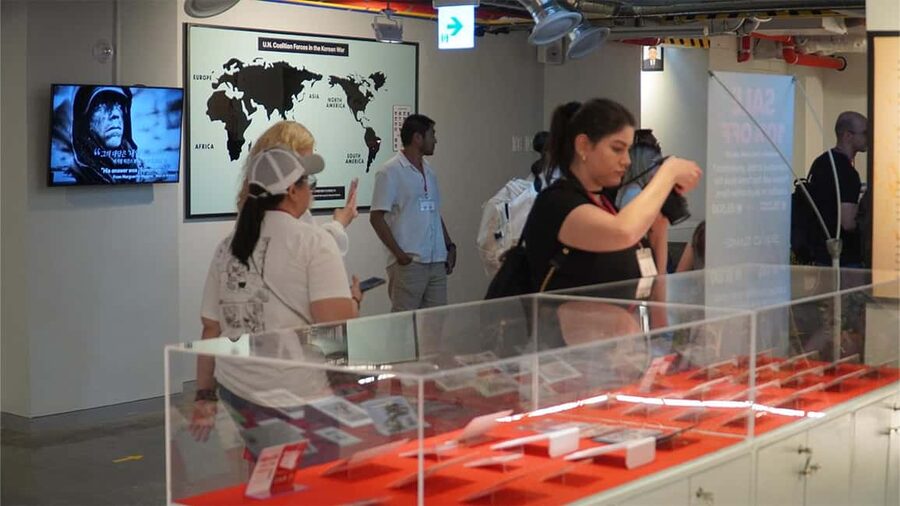
- North Korea Experience Hall photo zones with realistic replicas of everyday places like homes and classrooms
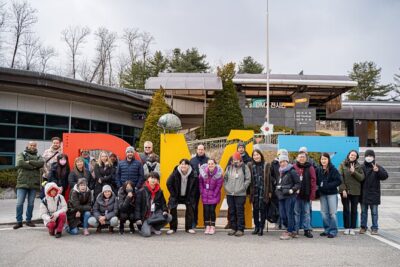
- Live defector Q&A with firsthand stories, plus a special commemorative photo opportunity
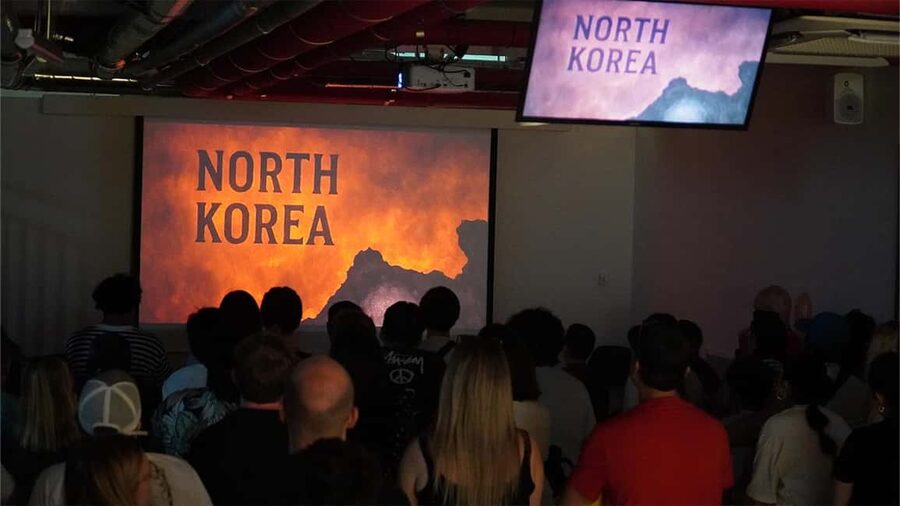
- Documentary screenings inside the hall that put daily life and reality into perspective
- Major DMZ landmarks in one day with guided stops at places like Dora Observatory and the Third Tunnel area
- Comfort-focused logistics including transport, an English guide, and skipping the ticket line
A one-day DMZ plan that starts with the North Korea Experience Hall

Most DMZ visits begin with checkpoints and viewpoints. This one starts earlier in the story, in the North Korea Experience Hall, where you can build context before you go to the border-facing sites.
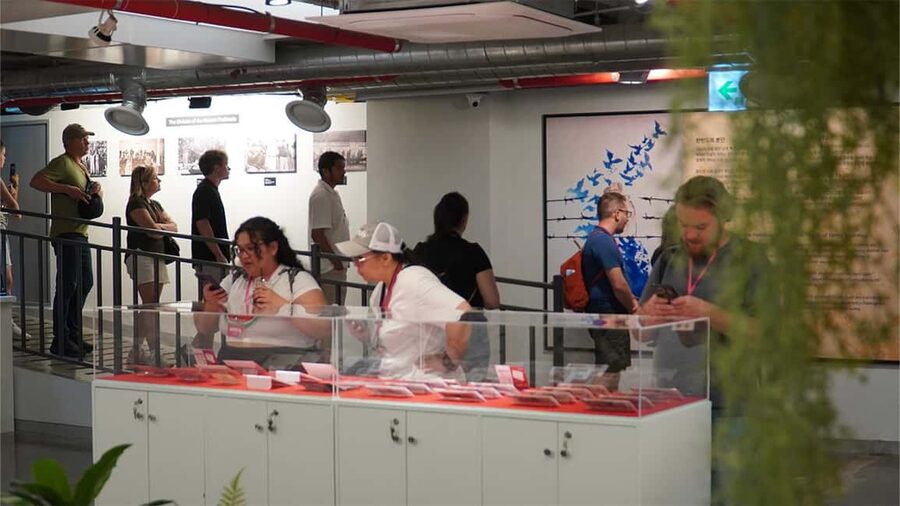
What I like here is the approach. Instead of jumping straight to what you can see from far away, the hall uses realistic displays, videos, and everyday-life items from the North. You’ll get a sense of how ordinary routines and spaces are imagined and represented, including replicas that feel specific rather than generic.
There’s also a live, on-site session with a North Korean defector. That matters because the hall is one thing, but a real person answering questions puts a human timeline behind the exhibits.
And yes, you’ll also have a chance for a special photo with the defector, which becomes a memorable anchor for the day. It’s a reminder that you’re not just touring a theme room. You’re meeting someone who lived through the system the exhibits are trying to explain.
Getting to the DMZ smoothly: pickup, group size, and pace
This tour is designed for low-stress logistics. You get round-trip transport from central Seoul pickup points, with three options: Myeongdong Station Exit 10, City Hall Station, and Hongik Univ. Station Exit 3. The trip is typically 8 to 9 hours, with a van ride that takes about an hour each way.
There’s an English-speaking guide with you for the key parts of the day, and the tour includes transport plus North Korea Exhibition Hall and DMZ landmarks. That’s a big part of the value, because DMZ days can get messy if you’re trying to coordinate timing and tickets by yourself.
Group size is capped at 30 participants per session, and groups may be split if needed. The good news is the operator tries to keep people together when possible, so you’re less likely to feel like you’ve been scattered across a big crowd.
Pace is full-day, not slow travel. Expect guided time at each stop and a mix of walk time and photo stops. If you like breathing room, plan for this to feel like an active day.
Imjingak Park and Freedom Bridge: why early context helps
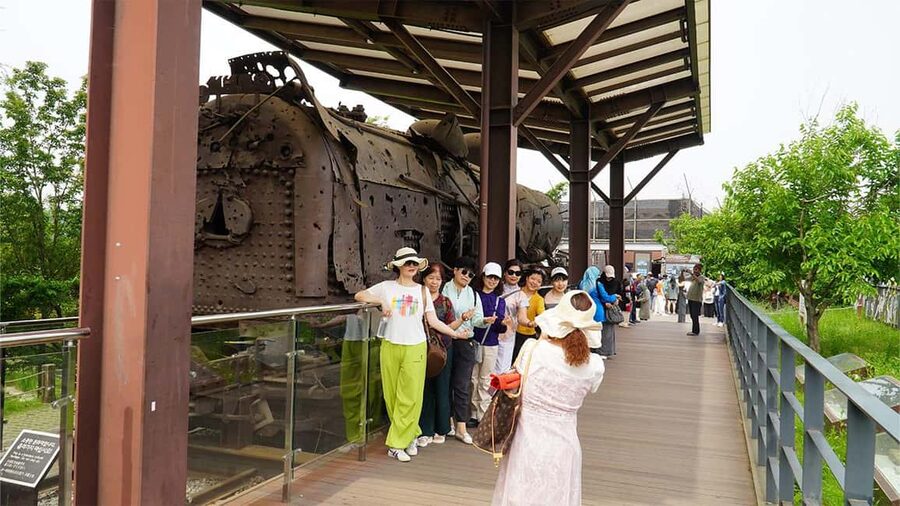
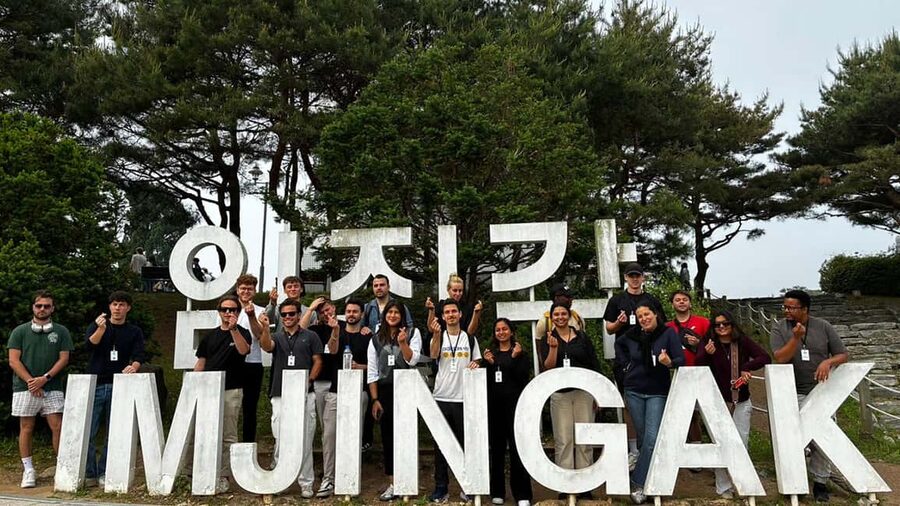
After you leave the hall, the tour shifts to classic DMZ landmarks. You’ll start with Imjingak Park, including a photo stop, guided tour, and about an hour of walking and exploring with the guide.
I like Imjingak on a structured itinerary like this, because it gives you an on-ramp to the rest of the border sites. By the time you get there, you’re already primed with the idea of daily life and division, not just geopolitics.
Next comes Mangbaedan (guided tour time), and then Freedom Bridge with guided commentary. The advantage of hitting these places in sequence is that your guide can connect them. You’re not just looking at separate sites. You’re hearing how they fit together in the larger Korean War and DMZ story, which is exactly what several English-speaking guide experiences are praised for.
Two practical notes. First, bring patience for photo stops. They’re scheduled, and you’ll want to move efficiently. Second, your best photos depend on viewing conditions, so keep an eye on cloud cover and light direction.
Dora Observatory and the Third Tunnel area: what to focus on
Two of the most talked-about DMZ stops are Dora Observatory and the Third Tunnel of Aggression. On this tour, both are handled with guided time, each about an hour, plus your photo stop windows as directed by the guide.
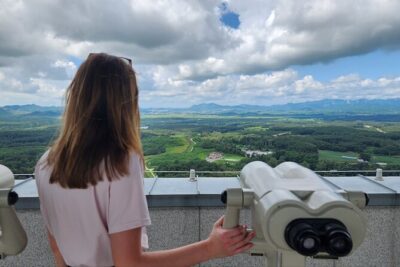
Here’s how I’d use this part of the day if you want maximum payoff. Don’t treat Dora Observatory like a quick photo moment. Use it as your chance to connect the exhibits you saw earlier with the border-facing views you’re now standing near.
The Third Tunnel stop is different in feel. You’re moving through a site connected to conflict, and your guide’s job is to add the missing context so it doesn’t just become a checklist item. In the experiences I’ve read about, guides like Han and Katie have been highlighted for giving detailed explanations that bring the Korean War story into something you can actually follow.
Also, if visibility is poor, adjust your expectations. In rainy conditions, you might not get the clear lines you’re hoping for. This is the single biggest reason I’d rethink the timing if your goal is dramatic views.
Gamaksan Suspension Bridge, Aegibong Peace Eco Park, and walking time
After the core DMZ sites, you continue with additional stops that stretch the day beyond just border viewpoints. You’ll have a photo stop and guided tour time at Gamaksan Suspension Bridge (about an hour), then move on to Aegibong Peace Eco Park with guided time for about two hours.
These later stops are useful because they add breathing space and a different rhythm. They’re still part of the overall theme, but they’re not only about looking outward. They’re more about what the region is doing now, and how peace-related spaces can shift the tone from confrontation to reflection.
One practical consideration: this is still an active tour. You’ll do walking at Imjingak and spend guided time at multiple locations. If your legs tire easily, plan for breaks whenever the schedule allows.
Why Gyeongbokgung gets added at the end
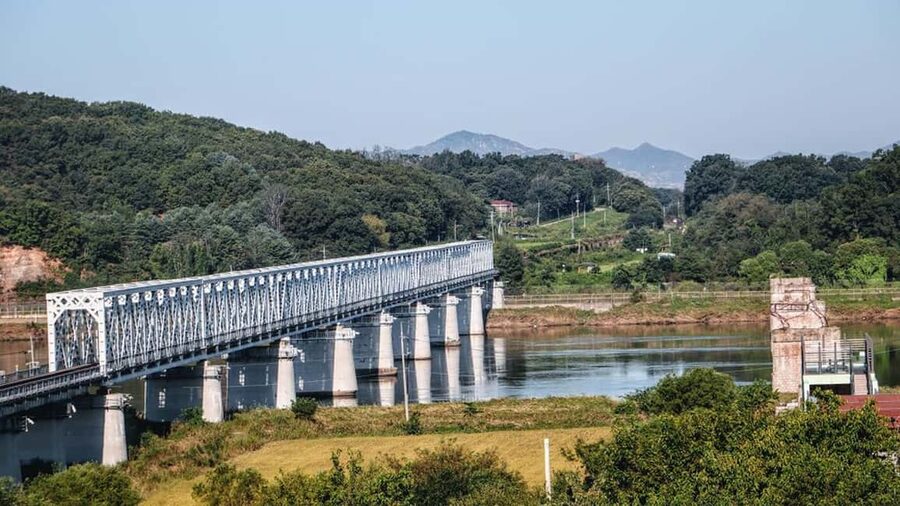
One surprise for many people is that this tour doesn’t end at the DMZ boundary sites. It includes Gyeongbokgung, with about two hours for guided time, before returning to Seoul and finishing around Myeong-dong.
That makes the day more than a one-theme outing. You’re leaving the tension of the border context, then stepping into a major Seoul palace experience with a guide. If you’re already in Seoul and want your last hours to feel like a real city day, this is a smart add.
It also helps the tour feel complete. You’re not stuck with a half-day of DMZ and then nothing meaningful to do afterward. You end with a cultural stop and a clear return point.
Price and value: what you’re really paying for

At about $40 per person for an 8 to 9 hour day, this sits in the “good deal for a guided full-day” category. The key is what’s included: transport, an English-speaking guide, and skip-the-line access for the North Korea Experience Hall and DMZ landmarks.
Meals and drinks are not included, so you’ll want to budget for lunch separately. In a long day, that matters. If you’re the type who likes to eat slowly, pick a quick plan because time is built around guided stops.
The value is also about reduced hassle. You don’t have to figure out ticket timing, route order, or language support. That’s especially important for the DMZ, where access requirements can be strict and timing can change.
One big requirement to keep in mind: a valid passport is required to enter the DMZ. Don’t leave it in a hotel drawer. Make sure you have it with you on tour day.
Weather, photos, and what to pack for a smooth day
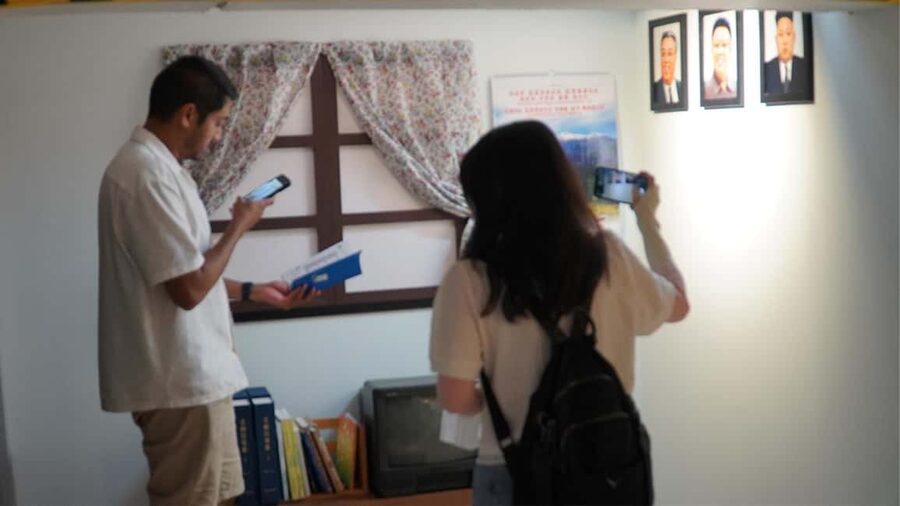
This is a photography-forward day, with photo zones at key moments. In the hall, you’ll see replica settings that are made for getting a sense of daily life visually. On the DMZ side, you’ll have photo stops at places like Imjingak and Gamaksan Suspension Bridge.
Because your ability to see the North can depend on weather, I’d plan for a bit of unpredictability. Rain can reduce visibility, and you’ll likely spend some time waiting for the right conditions to get your best look.
Pack for a full day outdoors. Even if you’re not on a hiking trail, you’ll walk during parts of the itinerary. Comfortable shoes matter more than anything trendy.
Also, photos taken during the tour may be used for promotional purposes. If that’s not your thing, it’s worth being mindful of where you stand and when cameras are out.
Who this tour fits best, and who should rethink it
This experience is designed for adults and older kids who want a structured, guided DMZ day with context and firsthand storytelling.
It’s not suitable for people under 10, and it’s also listed as not suitable for pregnant women, people with back problems, mobility impairments, wheelchair users, and people with heart problems, plus people over 70. If any of those apply, it’s best to skip this specific format and look for alternatives with more flexibility.
If you’re a history-minded traveler, especially interested in the Korean War era and how the DMZ fits into that story, this tour style makes a lot of sense. The hall plus live defector Q&A is a strong combo for people who want more than viewpoints.
Should you book this DMZ and North Korea Experience Hall tour?
Book it if you want a guided day that connects the dots. The North Korea Experience Hall sets the stage with realistic displays and documentary screenings, then the live defector Q&A adds a human reality that photographs can never replace. Add in guided stops at Imjingak, Freedom Bridge, and Dora Observatory, and you get a full story in one day.
Skip it or be cautious if your main goal is dramatic visibility. Rain and low visibility can limit what you can clearly see from border-facing points. Also, factor in that meals are not included, and the day is active with multiple stops.
If you’re traveling from Seoul and want the easiest way to do the DMZ with English support, this is a strong choice for the price. Just remember the passport requirement, and bring clothing that works for whatever weather shows up.
FAQ
How long is the tour from Seoul?
The duration is listed as 8 to 9 hours.
Where do you get picked up in Seoul?
Pickup options include Myeongdong Station Exit 10, City Hall Station, and Hongik Univ. Station Exit 3.
Is an English-speaking guide included?
Yes. The tour includes an English-speaking live guide.
Does the tour include admission to the North Korea Experience Hall and DMZ landmarks?
Yes. North Korea Exhibition Hall and DMZ and Historic Landmarks are included.
Is lunch or any meals included?
No. Meals and drinks are not included.
Do I need a passport to enter the DMZ?
Yes. A valid passport is required to enter the DMZ, so bring it on tour day.
Is there a live Q&A with a North Korean defector?
Yes. The experience includes a live session with a North Korean defector.
Is a photo with the defector included?
Yes. There is a commemorative photo opportunity with the defector.
Is smoking allowed during the tour?
No. Smoking is not allowed in the vehicle and not allowed indoors.
Is this tour suitable for wheelchair users or people with mobility impairments?
No. It is listed as not suitable for wheelchair users and people with mobility impairments.
DMZ & Border Tours you might have missed.
 ★ 5.0Best DMZ Tour Korea from Seoul (Red Suspension Bridge Optional)From $2941,422 reviews
 ★ 5.0DMZ Tour: 3rd Tunnel, Option(Suspension Bridge, Boat) from SeoulFrom $3521,373 reviews
 ★ 5.0DMZ tour south Korea from Seoul (NK experience hall, defector)From $2620,599 reviews
 ★ 4.9DMZ Insider Tour: 3rd Tunnel, NK Defector Meet & Red BridgeFrom $5015,214 reviews
 ★ 4.8Seoul: DMZ Tour with Optional Suspension BridgeFrom $455,277 reviews
 ★ 5.0Signature DMZ Tour: Exclusive Defector Talk & Suspension BridgeFrom $274,459 reviews
 ★ 5.0Thrilling Korean DMZ 3rd Tunnel Tour from Seoul + Red Bridge RushFrom $353,097 reviews
 ★ 5.0DMZ Past and Present: Korean Demilitarized Zone Tour from SeoulFrom $372,481 reviews
Where this tour also appears