
REVIEW · MARKETS
Cook 3 Authentic Korean Dishes with Local Market Tour
Three dishes, one real Korean market.
This experience is built around a small-group hands-on cooking class that starts at Mangwon Market with Jomin, so you go from seeing ingredients to using them within a few hours. I love the step-by-step coaching at a proper studio setup, and I love that the food culture stops being vague and turns into real choices like what to buy, what to taste, and how flavors work in Korean cooking. One possible drawback is that your class depends on reaching the minimum guest number, so it can be rescheduled or canceled if it does not meet the requirement.
If you want a quick “watch someone else cook” activity, this is not that. You will be at your own station, cooking for yourself, eating what you make, and leaving with recipes you can follow later.
In This Review
- Key highlights I think you will care about
- Meeting Jomin at Mangwon Station, then walking the market for real ingredients
- Mangwon Market shopping turns into “I can recreate this” cooking
- What you cook: a 3-dish Korean lineup built for hands-on learning
- Soft tofu stew style (often the comfort-bowl anchor)
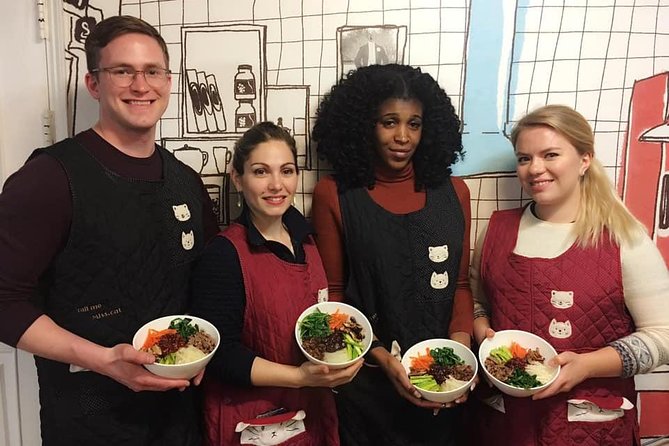
- Bibimbap (the “mix and build” skill)
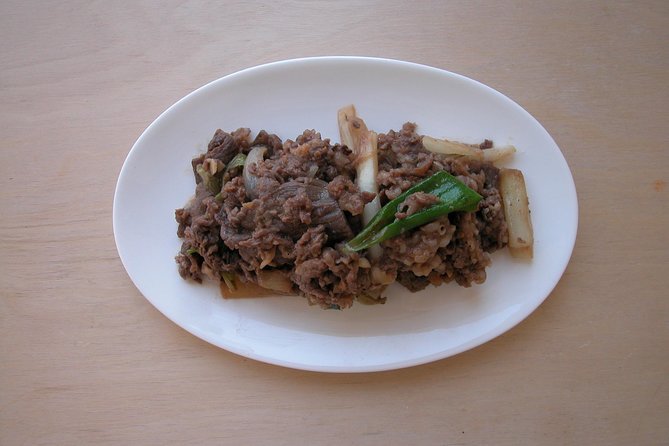
- Bulgogi or another stir-fried marinated dish
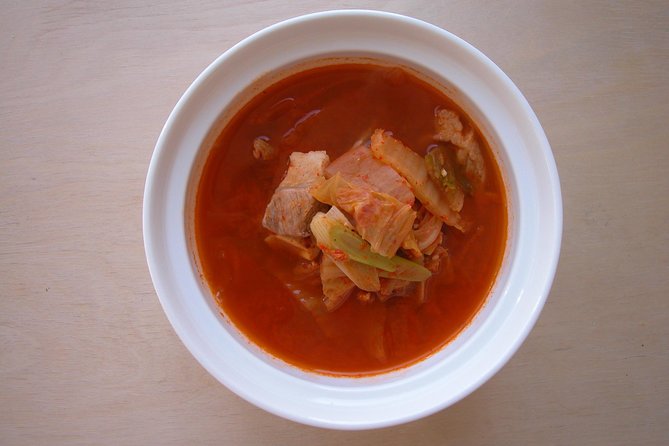
- Japchae or kimchi stew (menu dependent, still very practical)
- Back at the studio: clean setup, your own station, and coaching that does not overwhelm
- Lunch or dinner choice: how to pick based on how you like to travel
- Eating what you cook, plus leftovers you can actually use
- Vegetarian and vegan options without feeling like a compromise
- Price and value: what $79 gets you in the real world
- Who should book, and who should skip this one
- Should you book Cook 3 Authentic Korean Dishes with Local Market Tour?
- FAQ
- Where do we meet for the class?
- How long is the experience?
- Is this a hands-on cooking class or a demonstration?
- How many people are in the group?
- What dishes will we cook?
- Do you offer vegetarian or vegan options?
- Do we get a cookbook to take home?
- Can we take leftovers home?
- Can I cancel for a full refund?
Key highlights I think you will care about
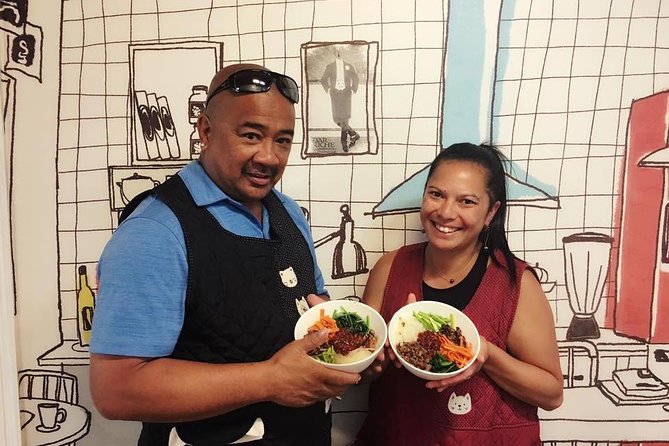
- Mangwon Market start, with Jomin guiding ingredient picks and street-food tasting
- Small class size, maximum four people, with personal assistance
- Three-course cooking that may include soft tofu stew, bibimbap, and bulgogi
- Hands-on setup at individual stations with your own cookers
- Take-home cookbook plus leftovers
- Vegetarian or vegan option available
More shopping runs in Seoul

Meeting Jomin at Mangwon Station, then walking the market for real ingredients
Your day kicks off at Mangwon Station (Line 6), entrance 2. The first nice thing here is how practical the meetup is. You are not hunting for a random alley behind a café. You show up at the station, meet Jomin, and your Korea-food day starts right away.
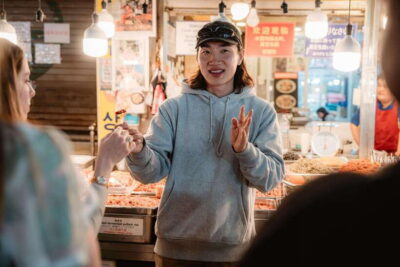
Then you head into Mangwon Market. This is where the experience earns its keep. Instead of just being told what Korean pantry items are, you see them in context: dried goods, fresh produce, and ingredients used in the exact dishes you will cook later. Jomin also points out ingredients tied to the menu, and you get chances to taste street foods along the way. That tasting matters because Korean food has a lot going on beyond salt. You start noticing how sweet, sour, and savory elements balance, and you get a feel for what you like before you start cooking.
I also like that the market walk connects food to everyday life, not food to a museum display. Mangwon is local Seoul energy, the kind of place where you can watch how meals get assembled and understand why certain ingredients show up again and again in Korean kitchens. The vibe in the group tends to stay relaxed, but the shopping part is still purposeful.
Possible consideration: if you are visiting around a major Korean holiday, some stalls may be closed. You can still get enough to understand the market and build the ingredient sense for the dishes, but do not expect every single stall to be open every day.
Mangwon Market shopping turns into “I can recreate this” cooking
Here is the secret sauce of this tour: you are not just learning recipes, you are building a mental map of Korean flavor and technique. The market part sets you up so the studio instructions make more sense.
During the walk, Jomin highlights ingredients that will show up in your dishes, and you may also have time to buy things that catch your interest. In at least some classes, that includes buying items like soft tofu or clams for stew style dishes. That detail matters because Korean cooking depends on ingredient quality. The tofu, the broth ingredients, and the way seafood or meat is prepared can shift the final bowl from okay to memorable.
You will also hear food culture explanations as you go. One of the most praised parts of the class is how clearly Jomin ties ingredients to the broader Korean eating habits, including basics like banchan and the role of items like kimchi in everyday meals. Even if you already know what kimchi is, the cultural context makes it easier to understand why Korean meals are built the way they are.
And you get one more benefit: when you taste something on the street, your brain starts comparing it to what you will cook. That makes the cooking part easier. You stop asking, What is the goal here? and start thinking, Oh, so that flavor comes from that ingredient.
What you cook: a 3-dish Korean lineup built for hands-on learning
You will cook three authentic Korean dishes. The exact menu may vary, but common options include soft tofu stew (sundubu jjigae style), bibimbap, bulgogi, kimchi stew, japchae, or stir-fried pork. In other words, you usually get a mix of soup, rice bowl or noodle dish, and a marinated or savory entrée.
That mix is smart for beginners and repeat cooks alike. Soup teaches you broth-building and seasoning balance. Bibimbap teaches you assembly and how to cook vegetables so they stay flavorful. Bulgogi or stir-fried pork teaches the idea of marinating, then hitting the right heat so meat turns glossy and savory.
Soft tofu stew style (often the comfort-bowl anchor)
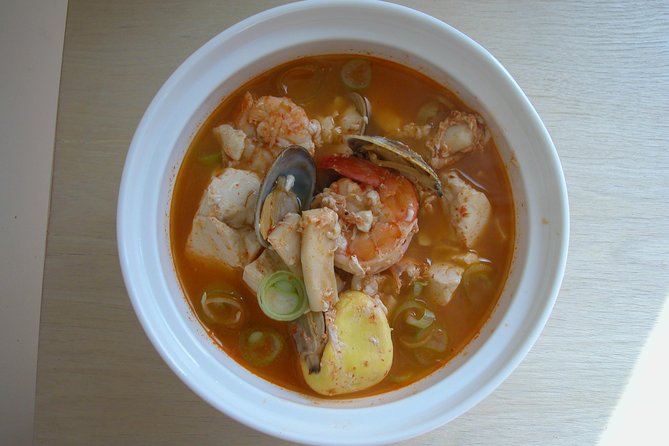
When your menu includes soft tofu stew, you will learn how the dish builds around tofu and a bold base. In some classes, seafood or shellfish like clams show up, and the kitchen work becomes about layering flavors into a stew you can smell across the room. Even if you are not a seafood fan, this dish tends to be one of those Korean specialties that converts people because it tastes full, not fishy.
Other stall-to-stall mornings in Seoul
- Downtown Seoul Guided Food & Market Tour with 8+ Local Tastings
★ 5.0 · 580 reviews - Seoul: Korean Cooking Class at a Local Home and Market Tour
★ 5.0 · 348 reviews - Seoul Night Palace & Market Food Tour with Vehicle
★ 5.0 · 275 reviews - Korean Palace and Market Tour in Seoul Including Insadong and Gyeongbokgung Palace
★ 4.0 · 174 reviews - Seoul: Nighttime Tour of Palace, Market, Naksan Park & More
★ 4.9 · 143 reviews
Bibimbap (the “mix and build” skill)
Bibimbap is not just a bowl of rice and vegetables. The real lesson is how to treat each component separately, then bring them together so each bite has texture. You will likely practice cutting vegetables and understanding how each ingredient should feel when cooked.
The payoff is immediate because you eat what you cook. And if you have ever tried to cook bibimbap at home and ended up with a sad pile of soggy veggies, you will appreciate that you are learning technique, not just ingredients.
Bulgogi or another stir-fried marinated dish
Bulgogi is classic for a reason. It is teachable. You can learn the marinade idea, then watch how meat cooks down with the right texture. Reviews also suggest hands-on work that includes making the marinade, then cooking on the studio burners.
This is where you get a repeatable home skill. Once you understand how the marinade behaves and what “done” looks like, you can adapt it later for other meats or even tofu.
Japchae or kimchi stew (menu dependent, still very practical)
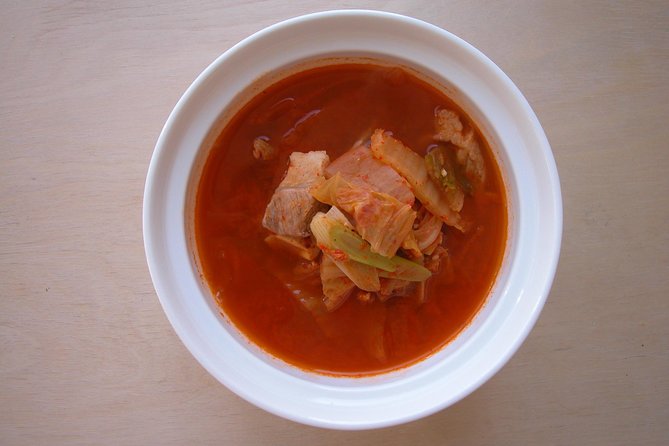
Some menus include japchae, which is great training for stir-fry timing and getting noodles and sauce to cling properly. Others include kimchi stew, which is a useful Korean flavor lesson because kimchi brings acidity and funk, and the stew base turns it into something cozy and deep.
I like that the tour lets the instructor choose based on what fits that class run. It means the learning stays grounded in what the kitchen can handle well that day.
Back at the studio: clean setup, your own station, and coaching that does not overwhelm
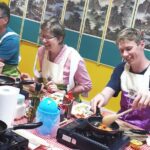
After the market walk, you head back to the cooking studio. Reviews consistently describe the space as clean and organized, with a professional setup. You are not squeezed into a corner. You get set up at your personal cooking station, with the ingredients ready and cookers ready to go.
What makes this studio format valuable for you is control. Cooking classes often fail because you spend half the time waiting for a turn. Here, each person has their own setup and cooking workflow, which keeps the pace sane.
Jomin is also known for clear instruction. People praise how she explains step-by-step, with a “chef strict” style that is not rude, just focused. That matters because Korean cooking has lots of small technique points, like how to handle heat, timing, and seasoning layering. When someone guides you through those points, you leave with dishes that actually taste like the real thing.
You will also notice the class design encourages questions. If you are a nervous beginner, you can ask why something is done a certain way. If you cook already, you can ask how to adjust flavors, switch ingredients, or handle substitutions.
Lunch or dinner choice: how to pick based on how you like to travel
You can choose either a lunch or dinner class. This choice is more than timing. It affects your whole day in Seoul.
A lunch class can work well if you want to start with something structured and then spend the afternoon wandering. Your meal ends up being your lunch, so you avoid the hungry, scavenger-mode spiral later.
A dinner class is great if you want to make your evening feel intentional. You get a satisfying meal plus a hands-on activity, then you can head out after feeling fed and informed.
Because the class runs about 3 hours 30 minutes, both options are a real block on your schedule. Think of it as a half-afternoon or half-evening plan, not a quick add-on.
Eating what you cook, plus leftovers you can actually use
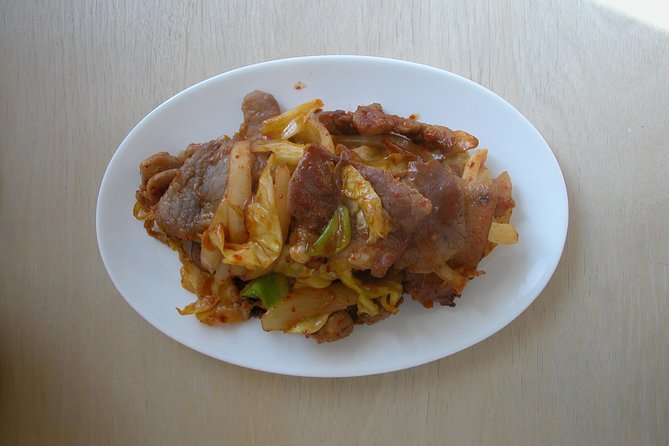
Once your dishes are cooked, you eat what you make. That part is simple but important. You are not learning cooking in theory. You taste the outcome, then you understand what to tweak next time.
You also get to take home leftovers. Some classes provide take-home containers or bowls. For me, that is a practical travel win because it reduces the stress of what you will do the next time you are tired and want food without searching.
This is also where the cookbook becomes more than paper. When you have eaten your own version, the recipes make more sense. You remember the textures, the aroma, and what felt right while cooking.
Vegetarian and vegan options without feeling like a compromise
The tour offers vegetarian and vegan options. That is a big deal for Korean food, because Korean menus often rely on fish sauce, shrimp, or meat stocks without advertising it clearly.
The class structure helps here. Since you are working at your own station with guidance, substitutions can be handled in the cooking flow instead of turned into a sad, separate plate. Reviews also note that dietary restrictions can be accommodated, so if you have specific limits, you should share them during booking so Jomin can plan accordingly.
Price and value: what $79 gets you in the real world
At $79 per person for about 3 hours 30 minutes, you are paying for a lot more than recipes. You are paying for:
- Ingredient shopping and tasting at Mangwon Market
- A small-group class (maximum four people) with personal assistance
- Individual cooking stations and hands-on guidance
- A professionally designed cookbook
- A full meal, plus leftovers to take home
- The time and effort to teach technique, not just directions
If you compare this to buying ingredients and trying to teach yourself from scratch, the guided part is the value. Korean cooking can look straightforward in a written recipe, but the timing and seasoning balance are the hard parts. A good instructor compresses your learning curve.
Also, the small group size matters. You get more attention per person, and the class stays practical instead of chaotic. People rate this experience very highly, and that usually signals that the teaching quality is doing the heavy lifting.
Who should book, and who should skip this one
This class is ideal if you want Seoul food that is both authentic and teachable. It fits well if:
- You like cooking or you want to learn real technique
- You want to connect Korean ingredients to dishes, not just taste meals
- You enjoy market wandering paired with a structured plan
- You want a small group setting, not a bus tour
You might skip it if:
- You hate hands-on cooking or you want a purely sightseeing experience
- Your schedule cannot handle the chance of rescheduling if minimum guest numbers are not met
- You only want food tasting, not cooking
If you are traveling with a friend or family member who also eats Korean food, the small group format makes it even more fun.
Should you book Cook 3 Authentic Korean Dishes with Local Market Tour?
Yes, if your goal is to leave Seoul with more than photos. Book it when you want to learn how Korean home cooking actually works: start with local ingredients at Mangwon Market, then cook three classic dishes with step-by-step help from Jomin.
If you are the type who learns best by doing, this is one of the best ways to turn a market visit into skills you can use again at home. If you are worried about the menu variety, pick the class time that fits your day and message your needs during booking, since vegetarian and vegan options exist.
In short: this is a practical, small-group cooking experience that gives you a market-to-studio pathway, a real meal, and a cookbook you will likely use.
FAQ
Where do we meet for the class?
You meet at Mangwon Station in Seoul, at entrance 2.
How long is the experience?
The class lasts about 3 hours 30 minutes.
Is this a hands-on cooking class or a demonstration?
It is hands-on. You cook at your own station with instructions and personal assistance.
How many people are in the group?
The class is designed for a maximum of four people. The activity also lists a maximum of 11 travelers.
What dishes will we cook?
The menu may include dishes such as soft tofu stew, bibimbap, bulgogi, kimchi stew, japchae, or stir-fried pork.
Do you offer vegetarian or vegan options?
Yes. Vegetarian and vegan options are available.
Do we get a cookbook to take home?
Yes. You take home a professionally designed cookbook.
Can we take leftovers home?
Yes. You can take home leftovers from what you cook.
Can I cancel for a full refund?
Yes. You can cancel up to 24 hours in advance for a full refund. If you cancel less than 24 hours before the start time, you will not be refunded. The experience may also be rescheduled or canceled if it does not meet the minimum number of guests, with an option for a different date or a full refund.
Bags Full in Seoul

Keep Browsing Seoul


More Seoul Write-Ups
Fresh on the Seoul pile
- Unique Native Experience : Han River Picnic, Board game, BBQ★ 5.0 · 3 reviews
- 2-Hour Private Kayaking and Paddleboarding Experience in Hanriver★ 5.0 · 3 reviews
- Korean Folk Village & Suwon Hwaseong Fortress Private Tour★ 5.0 · 3 reviews
- Seoul Korean BBQ Dinner Experience with Secret Food Tours★ 5.0 · 3 reviews
- Seoul Highlights & Hidden Gems – Private Tour with Photo Service★ 5.0 · 3 reviews
- Night Food Tour in Seoul with Traditional and Modern Cuisine★ 5.0 · 3 reviews
Markets you might have missed.
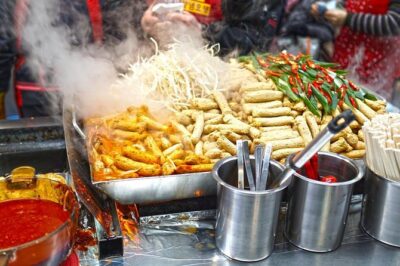 ★ 5.0Seoul Street Food Market TourFrom $731,226 reviews
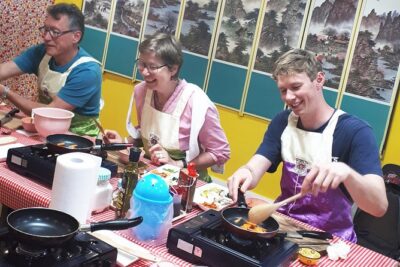 ★ 5.0Local Home Korean Cooking Class & Market Adventure in SeoulFrom $911,024 reviews
 ★ 4.9Seoul: Night Market Food Tour with Local GuideFrom $73943 reviews
 ★ 5.0Downtown Seoul Guided Food & Market Tour with 8+ Local TastingsFrom $98580 reviews
 ★ 5.0Seoul: Korean Cooking Class at a Local Home and Market TourFrom $98348 reviews
 ★ 5.0Seoul Night Palace & Market Food Tour with VehicleFrom $79275 reviews
 ★ 4.0Korean Palace and Market Tour in Seoul Including Insadong and Gyeongbokgung PalaceFrom $89174 reviews
 ★ 4.9Seoul: Nighttime Tour of Palace, Market, Naksan Park & MoreFrom $43143 reviews
Where this tour also appears