
REVIEW · GWANGJANG MARKET & SEOUL STREET FOOD
Busan: Food Crawl with Fish Market, Soju Tents & Local Snacks
Busan tastes different at night. This food crawl strings together three real Busan stops, from a local market to Jagalchi’s fish stalls, then ends with soju tents along the water. You’ll get guided bites and drinks that most people only spot if they already know where to walk.
I like two things a lot. First, it’s a small group (up to 10 people), so you can actually move through crowded spots without losing your bearings. Second, food and alcohol are included, from seafood (grilled, sautéed, and raw) to snacks like Busan-style noodles and beer.
One drawback to think about: this is an eating-and-drinking night with lots of seafood, so it’s not a great match if you are avoiding alcohol or seafood, and it may feel like a lot of standing and walking for young kids.
In This Review
- Key highlights you’ll feel right away
- How this Busan night crawl fits real city life
- Stop 1: Bupyeong Kkangtong Market, noodles, beer, and post-war roots
- Stop 2: Jagalchi Fish Market, grilled fish or eel with real market energy
- Stop 3: Yeongdodaegyo Bridge, pojangmacha soju tents by the docks
- What you eat and drink, and how it stays worth the money
- Price and logistics: who gets the best experience
- Practical tips so you enjoy every stop
- Who should book this Busan food crawl
- Should you book it or keep searching?
- FAQ
- How long is the Busan food crawl?
- What does the tour cost?
- What food and drinks are included?
- Do you stop at Jagalchi Fish Market?
- Is grilled eel an option at Jagalchi?
- Do you visit soju tents, and is soju included?
- Where does the tour start and end?
- Is private transportation included?
- Is free cancellation available, and are service animals allowed?
Key highlights you’ll feel right away
- Up to 10 people, so the guide can keep you together in tight market lanes
- Jagalchi access to outdoor stalls and seafood meals that most tourists skip
- Soju tents by the docks with traditional drinking dishes and boats nearby
- All food and drinks included, including beer and soju during the crawl
- One person guiding the whole night, including market navigation and where to eat
- A practical, 4-hour plan that covers three main zones with time to walk between them
One more stop for food in Busan
How this Busan night crawl fits real city life
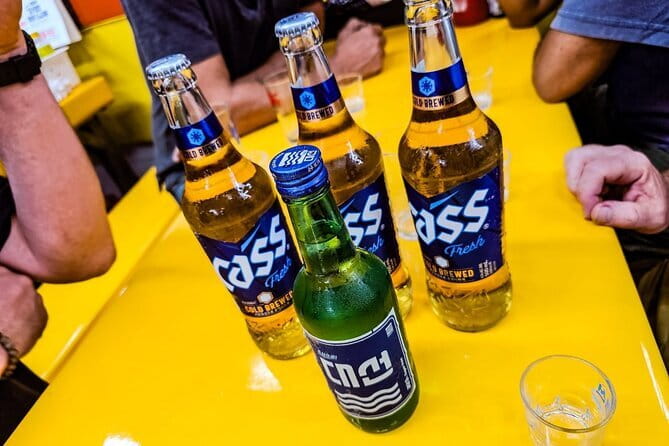
This tour is built around the way Busan eats after the sun goes down. It starts in a local market, switches gears to the fish market where fishermen are part of the scene, then finishes in the pojangmacha area where people show up to drink, snack, and hang out.
What makes it feel “local” is not just the stops, it’s the rhythm. You go from street bites and beer, to seafood choices tied to what’s coming in from the sea, to the dockside tent culture where the atmosphere matters as much as the food. That’s why the guide matters. With someone like Conor handling the flow, you can follow along instead of playing guess-and-go in busy alleys.
Stop 1: Bupyeong Kkangtong Market, noodles, beer, and post-war roots
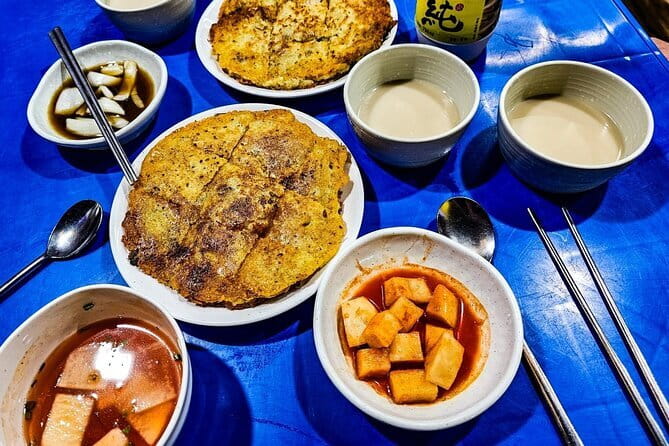
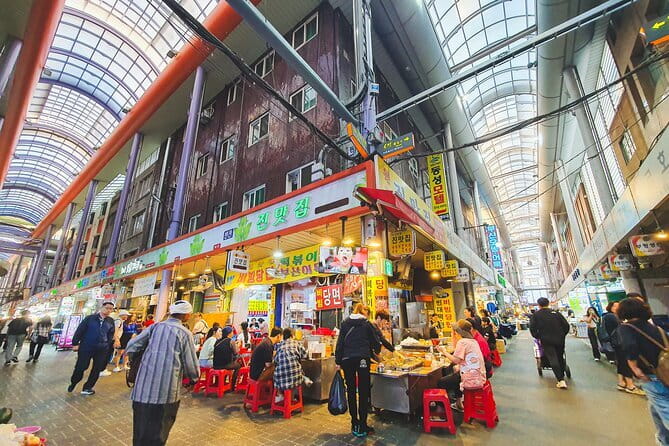
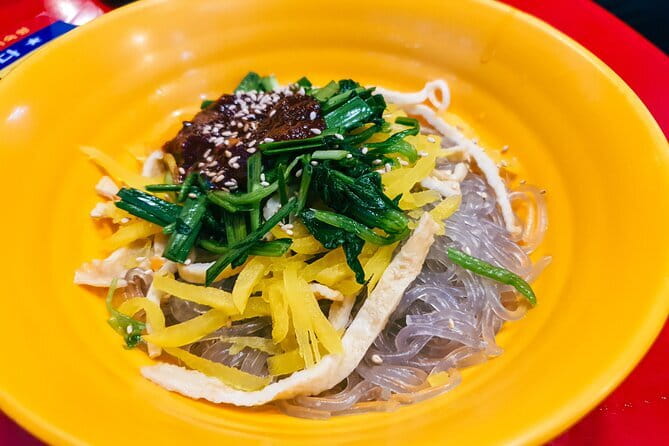
Your night kicks off at Bupyeong Kkangtong Market, a traditional market area that’s popular for Busan-style street food. Expect hot-on-the-griddle noodles and other snack foods paired with cold beer as you get moving into the local scene. This first stop is important because it sets the tone. By the time you reach Jagalchi, you’re already warmed up, not just arriving hungry and confused.
Here’s a neat part of the background you’ll hear. The market’s story traces back to refugees after the Korean War, when people sold smuggled and imported goods to get by. Today, that old trading energy is still visible in how the market feels like a place for everyday needs and casual meals.
You may also connect this area to the Busan International Film Festival, since the original location continues to spark interest with its indie vibe. It gives the market more texture than just “food court energy.” You’re not only tasting Busan, you’re seeing the city’s connections to culture and street life.
Good to know: since this is a market start, you’ll likely be walking on uneven surfaces and weaving between stalls. Wear shoes you can trust.
Stop 2: Jagalchi Fish Market, grilled fish or eel with real market energy
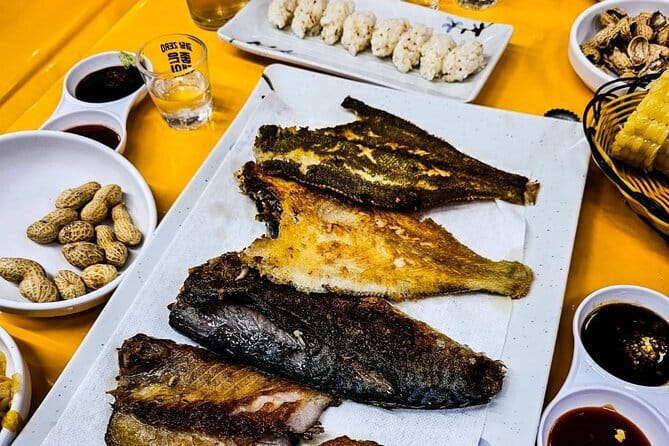
Then you shift to Jagalchi Fish Market, where the outdoor stalls and fishermen create a strong sense of “right here, right now.” This isn’t a calm museum stop. It’s a working market atmosphere. You’ll walk through both the newer and older sides, and the tour plan aims to help you eat where locals go, not only where tour groups congregate.
The payoff is the seafood meal. Depending on your option, you can get freshly grilled fish or grilled eel. Either way, the point is the same. You’re eating seafood in the place where it’s harvested, sorted, and sold. It’s harder to fake that feeling at a restaurant miles away.
This is also one of the best moments to let the guide lead. Market seafood menus can look simple, but deciding what to order and where to sit can be a hassle if you are doing it alone. A good guide like Conor helps you connect the dots fast, so you can focus on taste and pacing instead of logistics.
Possible drawback: the fish market can be intense if you dislike crowds or strong seafood smells. If you are sensitive to that, it’s worth mentally preparing. The trade-off is that the meal feels instantly more meaningful because it happens inside the market scene.
Stop 3: Yeongdodaegyo Bridge, pojangmacha soju tents by the docks

From Jagalchi, you walk to Yeongdodaegyo Bridge, crossing into the oldest parts of Busan. This area is where the night starts to feel more like a party, not just a food stop. The bridge area brings a different energy, with dockside life and nightlife hanging close together.
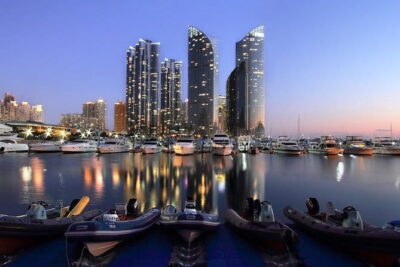
Right near the boats, you’ll find pojangmacha soju tents lined up along the water. This is where you shift from eating street and market food to relaxing into tent culture. You’ll sip soju, and traditional drinking dishes come into the mix. The boats nearby, with that slow sway, give you the kind of setting you cannot recreate with a map pin and a recommendation list.
Food-wise, the tour includes local dishes such as mackerel galbi and beef short ribs, plus more depending on what’s served during the night. The point is variety. You get seafood-forward flavors, then a meat dish that helps round out the meal and keeps the night satisfying as alcohol enters the mix.
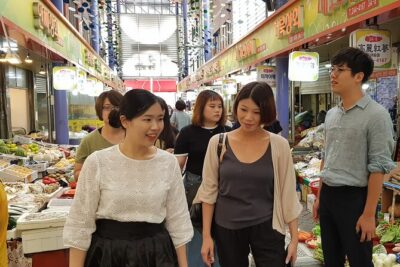
This is also the moment where the small group format pays off. You can talk with the people next to you, react to what you’re eating, and still keep pace with the guide. One of the standout aspects people remember is how easy Conor made the whole night, especially the soju tent portion, which can feel confusing if you’re walking in cold.
Other Busan days worth comparing
- Busan: Gyeongju Guided Day Trip to Three Kingdoms Capital
★ 4.8 · 1,925 reviews - Small Group Full Day Busan Tour (Max 6 Pax)
★ 5.0 · 1,464 reviews - From Busan: Gyeongju UNESCO World Heritage Guided Day Tour
★ 4.8 · 1,250 reviews - Busan Private Tour with licensed tour guide + private vehicle
★ 5.0 · 1,143 reviews - Busan: Coastal Treasures Beach Train, Culture Village & More
★ 4.7 · 832 reviews
What you eat and drink, and how it stays worth the money

Let’s talk value in a way that matters. This tour includes dinner, snacks, and alcoholic beverages. That means you’re not paying separately for every stop, which is how most market food days quietly get expensive.
The included dinner can feature seafood prepared multiple ways, including grilled, sautéed, and raw items. Snacks include Busan-style noodles and other street food. You also get soda or pop, so you are not stuck choosing only between water and alcohol.
Because alcohol is included, the “cost per bite” math works out better than it does for food-only tours. You’re paying for an organized night with guided ordering, meal coordination, and transport-free walking between key zones.
That said, you should consider your own pace. This is not a quick snack sprint where you eat one thing and disappear. It’s a structured crawl where the goal is to keep your stomach and your curiosity busy for about 4 hours.
Price and logistics: who gets the best experience
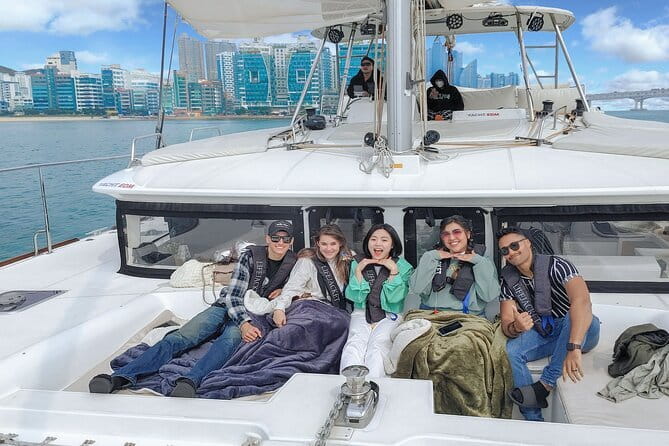
At $152.90 per person, you are paying for convenience plus coordination. The tour is built for a maximum group size of 10 people, and that matters. In markets, bigger groups usually turn into slow lines and lost time. Here, the structure is tighter, which helps your evening feel smooth.
Duration is listed at about 4 hours. The plan gives you roughly an hour at each main place and additional time to move and pass by other areas. So you get time to eat, look around, and not feel rushed every single minute.
You do not get private transportation. Instead, the night is designed around walking and public transit proximity. The start point is in the Nampo area, and you finish at a place called the Red Bean Taiyaki Stall. After the tour, the host takes you to Nampo Station, which is a smart way to end the night without leaving you stranded.
Also, this tour uses a mobile ticket, and you get group discounts depending on the booking setup. If you are booking with friends, it can make the price feel more reasonable.
Practical tips so you enjoy every stop
A food crawl goes smoother when you treat it like an evening plan, not a checklist.
- Come hungry, not starving. You’ll start with noodles and snacks, then eat a full seafood dinner, then keep going with soju-tent food. If you show up too empty, you might feel stuffed before the final stop.
- Expect seafood-forward choices. The included menu includes grilled and raw seafood at the dinner. If seafood is a no-go for you, this is probably not your best night.
- Plan for standing and walking. Markets and dock areas are not meant for long sitting breaks. Wear shoes that handle crowd heat and uneven ground.
- Hydrate between drinks. Soda is included, but take sips slowly so you stay comfortable for the bridge walk and tent time.
- Let the guide do the heavy lifting. Conor’s role in making market navigation easy is a big part of why people enjoy this so much. If you can relax and follow, the night feels effortless.
Who should book this Busan food crawl
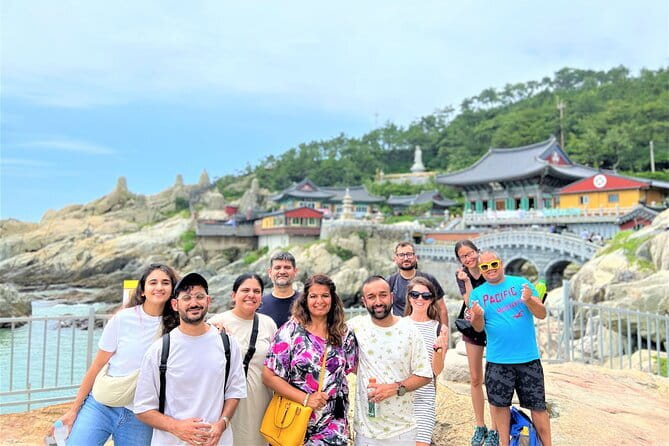
This is a great choice if you want a guided night that mixes iconic food stops with the kind of local drinking scene most people skip. It’s also a good fit if you like seafood, enjoy street-style snacks, and want beer and soju included without doing planning for every meal.
You might skip it if you are traveling with very young kids, because the experience is centered on food plus alcohol and includes a lot of market energy. It may also be a poor fit if you avoid seafood or alcohol, since those are major parts of what’s included.
Should you book it or keep searching?
Book this tour if you want one organized night where Busan food and drink culture connect in a real sequence. The big advantages are clear: a small group, all food and drink included, and a guide who can help you handle the market chaos, especially at the soju tents.
Skip it if your priority is quiet dining, if you dislike seafood options, or if alcohol inclusion is a deal breaker. In that case, you’ll probably do better with a food-focused tour that matches your pace and preferences.
If you are happy with seafood and want a lively, guided Busan evening, this is the kind of plan that saves time and turns a normal night out into the one you remember.
FAQ
How long is the Busan food crawl?
It lasts about 4 hours.
What does the tour cost?
The price is $152.90 per person.
What food and drinks are included?
You get dinner with local seafood (grilled, sautéed, and raw), snacks like Busan-style noodles and other street foods, alcoholic beverages, and soda or pop.
Do you stop at Jagalchi Fish Market?
Yes. You explore Jagalchi Fish Market, including the newer and older market areas, and you eat fresh seafood there.
Is grilled eel an option at Jagalchi?
Yes. The seafood meal can be freshly grilled fish or savory grilled eel depending on the tour option.
Do you visit soju tents, and is soju included?
Yes. The tour ends at a harborside area with pojangmacha soju tents, and soju is included.
Where does the tour start and end?
It starts at 범전동 오뎅집6-3 Gudeok-ro 84beon-gil, 남포동 Jung-gu, Busan. It ends at the Red Bean Taiyaki Stall at 4 Taejong-ro, Jung-gu, Busan, and the host takes you to Nampo Station.
Is private transportation included?
No. Private transportation is not included.
Is free cancellation available, and are service animals allowed?
Free cancellation is available up to 24 hours in advance for a full refund, and service animals are allowed.
Poured in Busan, a Few More

Still in Busan? More Here
Room For One More Plate in Busan?
Fresh on the Busan pile
- Suncheon and Yeosu Daily Private Tour with Pickup Service★ 5.0 · 3 reviews
- Suncheon one day tour from Seoul, Busan or Suncheon★ 5.0 · 3 reviews
- Busan Seafood Tour : Oyster village Tour with Oyster cuisines★ 5.0 · 3 reviews
- 2-DAYS Busan Customized and Included Night tour★ 5.0 · 3 reviews
- Busan Dialect Class with local snack★ 5.0 · 3 reviews
- Korean UNESCO World Heritage Tour including Gyeongju, Andong and Daegu(2N3D)★ 5.0 · 3 reviews
Gwangjang Market & Seoul Street Food you might have missed.
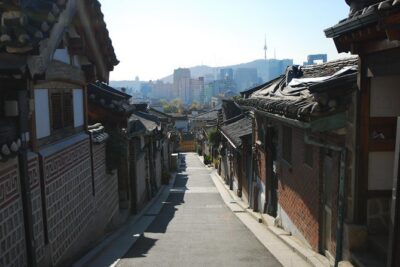 ★ 4.9Seoul: Gyeongbok Palace, Bukchon Village, and Gwangjang TourFrom $322,321 reviews
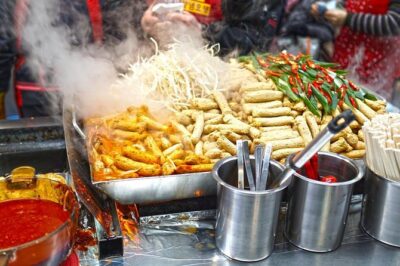 ★ 5.0Seoul Street Food Market TourFrom $731,226 reviews
★ 5.0Seoul: Gyeongbok Palace, Bukchon Village, and Gwangjang TourFrom $321,044 reviews
★ 5.0Seoul Street Food Market TourFrom $731,226 reviews
★ 5.0Seoul: Gyeongbok Palace, Bukchon Village, and Gwangjang TourFrom $321,044 reviews
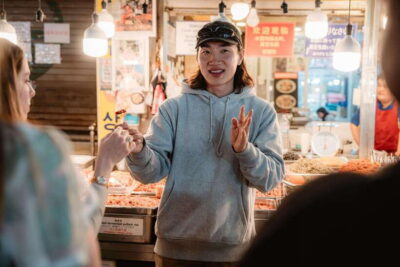 ★ 4.9Seoul: Night Market Food Tour with Local GuideFrom $73943 reviews
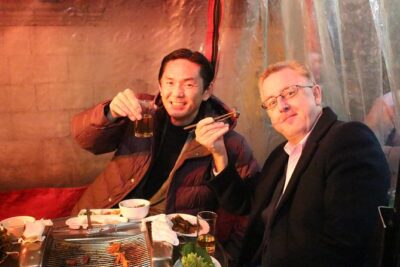 ★ 5.0Small-Group Night Food Tour in Seoul with Korean BBQFrom $110304 reviews
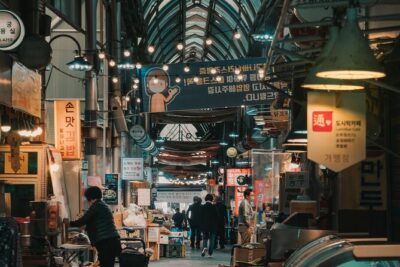 ★ 5.0Seoul Night Palace & Market Food Tour with VehicleFrom $79275 reviews
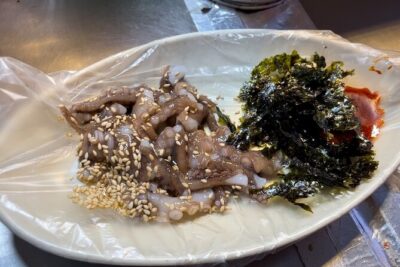 ★ 5.0Seoul Fun Food Tour: 12 different food tastingsFrom $88266 reviews
 ★ 4.5The Award-Winning PRIVATE Food Tour of Seoul: The 10 TastingsFrom $178128 reviews