
REVIEW · SEOUL ROYAL PALACES
(Small Group) Palace & Seoul Old Town Highlights
Seoul has a fast, friendly way in. This 3-hour small-group walking tour strings together classic Joseon-era sights with modern-day stops, so you get your bearings quickly and can explore on your own after. I like that the group stays under 10 people, which makes it easier to ask questions and move at a human pace. I also like that Gyeongbokgung Palace is covered with a ticket included, so you are not juggling extra costs or last-minute logistics. One thing to consider is the tour depends on good weather, since you are walking between multiple areas.
You will start at Anguk Station, then head toward Insadong for traditional shops and tea-house atmosphere. After that, you shift from old-town streets to a calm center of Korean Buddhism at Jogyesa Temple, then step into the big historical spotlight at Gwanghwamun Square. From there, you focus on the big one, Gyeongbokgung Palace, before finishing with the hanok lanes of Bukchon. The guide, often Lee (Honey Trail), is known for balancing palace facts with everyday Korea and keeping people engaged with small activities like mini quizzes and traditional games.
If you want a slow, sit-down tour with long museum time, this might feel a bit tight. It packs several major sights into half a day, and some walking streets are more about atmosphere than quick photo stops.
In This Review
- Key Things to Know Before You Go
- A Fast Seoul Starter Pack That Still Feels Local
- Getting Oriented at Insadong, Tea Houses and Traditional Goods
- Jogyesa Temple, a Quiet Reset in the Middle of the City
- Gwanghwamun Square, Statues, a Central Courtyard Feel
- Gyeongbokgung Palace, the Ticket-You-Actually-Need Stop
- Bukchon Hanok Village, Hanok Streets Between Royal Palaces
- Group Size, Timing, and How Much You Can Realistically See
- Price and Value, What $60.27 Buys You
- Who This Tour Suits Best (and Who It Might Not)
- FAQ
- FAQ
- What is the duration of the tour?
- How many people are in the group?
- Where does the tour start?
- Does the tour end back at the meeting point?
- Is the Gyeongbokgung Palace ticket included?
- Are admission fees required for the other stops?
- What kind of ticket do I get?
- What is the price per person?
- Is good weather required?
- Can I get a full refund if I cancel?
- Should You Book This Palace and Old Town Highlights Tour?
Key Things to Know Before You Go
- Max 10 people means more chances to ask questions and get route help without getting lost.
- Gyeongbokgung Palace ticket included cuts one major “pay on arrival” step out of your day.
- Free entries most places (Insadong walking area, Jogyesa Temple, Gwanghwamun Square, Bukchon) keep the total cost easier to manage.
- Start at Anguk Station, Exit 6 outside, then return to the same meeting area at the end.
- Lee’s style often mixes Joseon context with modern Korea facts, plus light mini quizzes or games during breaks.
- Mobile ticket helps you avoid printed tickets, especially handy on busy subway days.
More palace mornings in Seoul, compared
A Fast Seoul Starter Pack That Still Feels Local
This is the kind of tour that works when your time is short but your curiosity is big. You get a concentrated route through the central parts of Seoul where the old meets the current, without spending half a day figuring out how to sequence sights. The timing is built for a “see it now, explore deeper later” mindset.
The best part is how the stops connect. You are not jumping randomly. You move from a street market neighborhood that sells everyday culture items, into a temple space where the pace changes, then into palace-zone history, and finally into Bukchon’s hanok backstreets where you can picture daily life from centuries ago.
Getting Oriented at Insadong, Tea Houses and Traditional Goods
Your day begins at Anguk Station (Exit 6 outside) and then you walk toward Insadong, one of Seoul’s most recognizable traditional areas. Insadong is known for shops selling traditional goods, plus restaurants and tea houses, so it is a great first stop because it immediately shows you what “old Seoul” looks like in real, present-day form.
What I like about starting here: it gives you context before the big palace moments. You can look at the types of products people buy, notice the street rhythm, and get a feel for how tourist-friendly the area is without losing the sense that it is still used by locals.
What to watch for: Insadong can be crowded depending on the day and time. Since this is a walking tour segment, you will want to wear comfortable shoes and be ready to shuffle through tighter stretches.
Jogyesa Temple, a Quiet Reset in the Middle of the City
Next is Jogyesa Temple, the head temple of the Jogye Order of Korean Buddhism. The temple dates back to 1910 (founded then), and even though you are in central Seoul, it is designed for quiet sanctuary time. You get about 30 minutes here, which is enough to slow down, look around, and let the mood change.
This stop is valuable for two reasons. First, it is a change of pace. Palaces and plazas can feel like “history you view.” A temple feels like “history you stand in,” where you notice sounds, movement, and the way space is used.
Second, it adds Korean culture that is not only royal courts. The Joseon story matters, but so do the beliefs and daily practices that ran alongside it. If you are the type who likes culture that you can actually feel, this temple stop is a good counterweight to the palace time.
Gwanghwamun Square, Statues, a Central Courtyard Feel
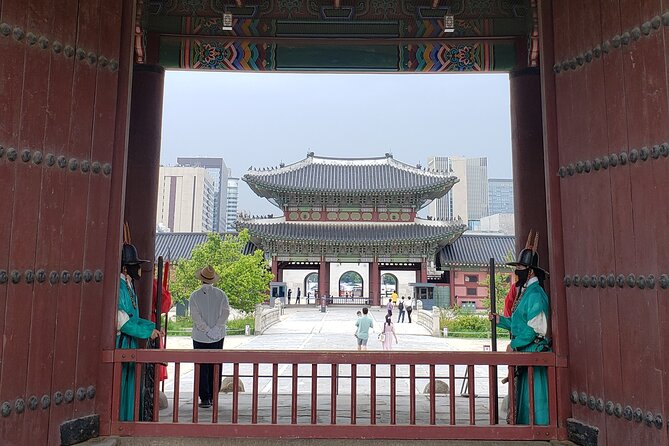
From Jogyesa, you head to Gwanghwamun Square, located in front of Gyeongbokgung Palace. This is a central public plaza, and it is set up to frame Korean historical icons in open space. You will see statues of King Sejong the Great and Admiral Yi Sun-sin, which makes this stop more than a photo moment. It gives you a quick orientation to the people behind the country’s stories.
You get about 20 minutes here, so it is not meant to be a long lecture. Instead, it works like a “walk-up introduction” that prepares you for what you are about to enter at the palace.
Practical note: plazas can be windy or exposed. Bring something for weather changes, because you are moving from one zone to the next.
- Best DMZ Tour Korea from Seoul (Red Suspension Bridge Optional)
★ 5.0 · 41,422 reviews - DMZ Tour: 3rd Tunnel, Option(Suspension Bridge, Boat) from Seoul
★ 5.0 · 21,373 reviews - DMZ tour south Korea from Seoul (NK experience hall, defector)
★ 5.0 · 20,599 reviews - Seoul: DMZ Tour with Optional Suspension Bridge
★ 4.8 · 5,277 reviews - Signature DMZ Tour: Exclusive Defector Talk & Suspension Bridge
★ 5.0 · 4,459 reviews
Gyeongbokgung Palace, the Ticket-You-Actually-Need Stop
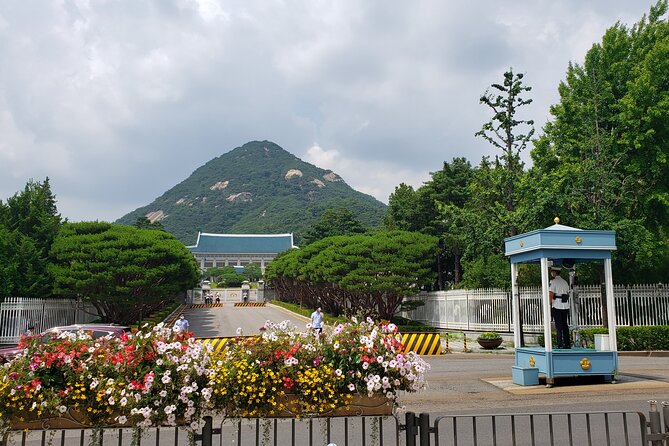
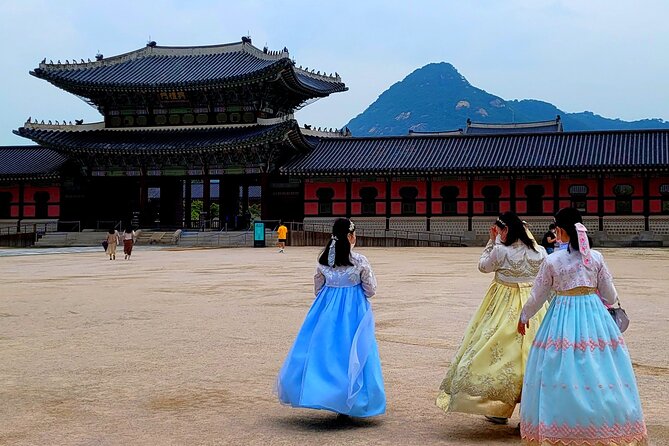
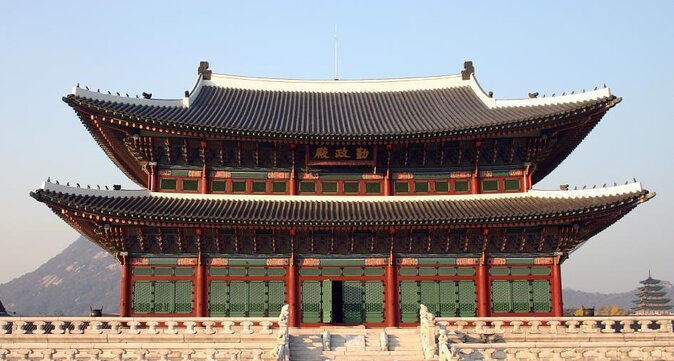
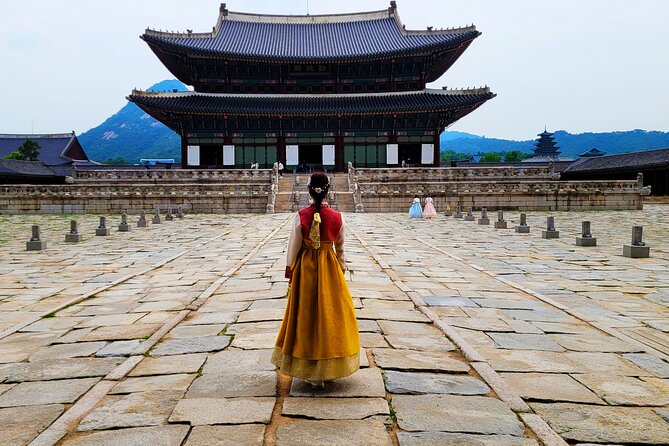
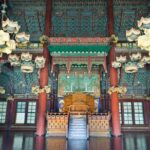
Then comes the big highlight: Gyeongbokgung Palace. This is described as the main royal palace of the Joseon Dynasty, built in 1395. The setting matters: mountains behind, city in front. That simple layout helps you understand how power and planning were connected to geography.
You will spend about 1.5 hours, and the Gyeongbokgung ticket is included, which is a real value point. Palace entry is usually the one cost you most want to avoid getting wrong on a busy day, and having it handled means you can focus on seeing, not calculating.
What you get in this portion is guidance that helps you read the palace rather than just walk through it. The guide’s approach is often praised for mixing Joseon-era details with modern-day Korea context, so you get the “why” behind what you see. There is also mention of the guide using mini quizzes and simple traditional games during break times, which helps make palace time less like a sit-and-listen experience.
Watchouts, simple ones:
- The palace area involves lots of walking.
- If you hate waiting, arrive with a calm attitude. Even with a ticket included, queues and crowds can happen.
Bukchon Hanok Village, Hanok Streets Between Royal Palaces
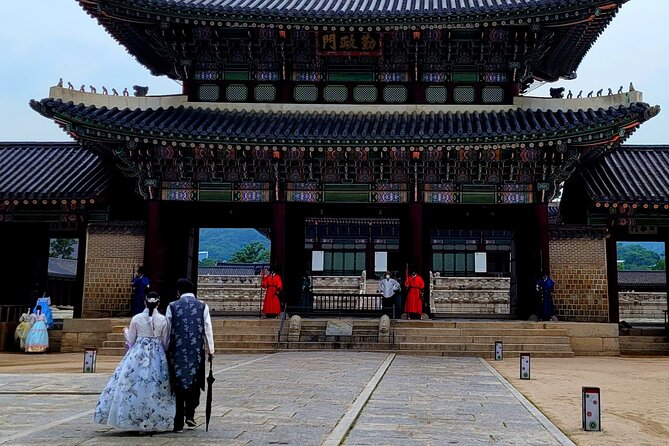
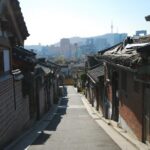
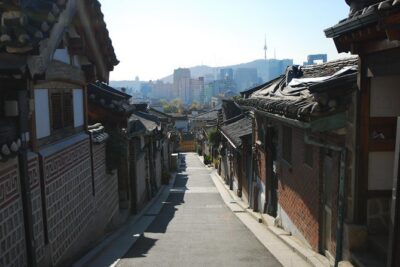
After the palace zone, the route shifts to Bukchon Hanok Village, the historic neighborhood made up of traditional Korean houses called hanok. It sits between two royal palace areas, so the location itself feels like a bridge between court life and residential life.
You get about 30 minutes, which is right for wandering the winding alleys and looking up at rooftops without trying to do everything. The hanok architecture is the point here: you are meant to slow down enough to notice how people once lived during the Joseon Dynasty.
What I like about ending here: it gives you a visual “memory hook.” Once you have seen the palace, Bukchon helps you imagine the daily world around it. It also leaves you in a great position to continue exploring on your own afterwards, since you are already near other old-town pockets.
Group Size, Timing, and How Much You Can Realistically See
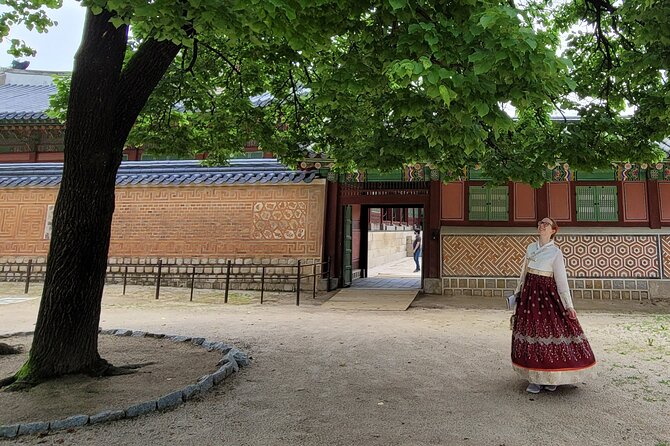
This tour is about 3 hours and capped at 10 travelers. That small group size matters more than people expect. In Seoul, even short walks can turn into detours when crowds bunch up. With a smaller team, you usually get a smoother flow and better chances to hear the guide when groups get close.
Also, it is designed to fit the reality of vacation time. You get multiple major highlights in less than half a day, so you can keep the rest of your itinerary for neighborhoods, food, and longer explorations.
One consideration: since this is walking-based, you should plan for comfortable footwear and give yourself a little buffer for weather. The experience notes that it requires good weather.
Price and Value, What $60.27 Buys You
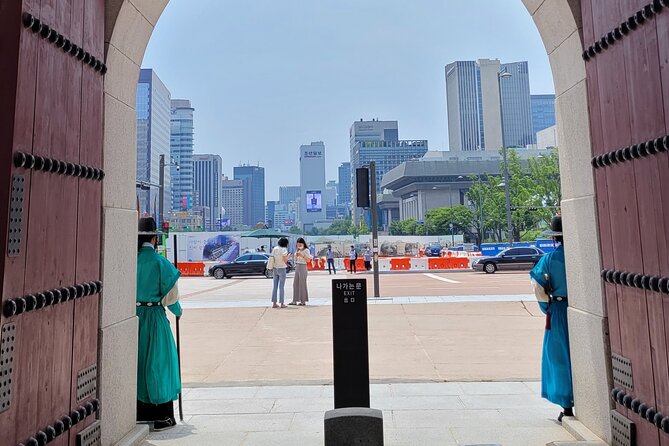
At $60.27 per person, this is not a bargain-tour price, but it also is not priced like a private driver day. The value comes from three things you can feel in practice.
First, the maximum 10-person group keeps the guide-to-you ratio tighter. That often translates into better answers and more comfortable pacing.
Second, Gyeongbokgung ticket is included. Even if you are used to paying your own museum admissions, having the palace entry handled removes one friction point.
Third, you are getting a curated route that helps you “learn the city fast.” The guide’s role is not just reciting dates. The experience is described as balancing Joseon-era attractions with present-day hot spots, plus keeping people engaged through small quiz-style interactions and traditional games. That type of energy can make a short tour actually useful later, because you remember what you saw.
If you hate tours and want total freedom, you might decide the value is not for you. If you want a smart orientation plus a guided walk through major sights, it is a solid use of a half day.
Who This Tour Suits Best (and Who It Might Not)
I think this tour is a great fit if:
- You are visiting Seoul for the first time and want a clear “order of operations” for palace and old-town areas.
- You prefer walking with a guide, but you still want time afterward to explore food and side streets.
- You like cultural context, not just surface facts.
It may be less ideal if:
- You need long time inside fewer sites, because this route is compact by design.
- You are dealing with mobility challenges that make short bursts of walking difficult. The tour is near public transportation, but it still is a walking circuit.
FAQ
FAQ
What is the duration of the tour?
It runs for approximately 3 hours.
How many people are in the group?
The group maximum is 10 travelers.
Where does the tour start?
The meeting point is Anguk Station, Exit 6 (outside).
Does the tour end back at the meeting point?
Yes, it ends back at the meeting point.
Is the Gyeongbokgung Palace ticket included?
Yes, the Gyeongbokgung ticket is included.
Are admission fees required for the other stops?
The other listed stops are marked as free, including Insadong, Jogyesa Temple, Gwanghwamun Square, and Bukchon Hanok Village.
What kind of ticket do I get?
The tour uses a mobile ticket.
What is the price per person?
The price is $60.27 per person.
Is good weather required?
Yes. The experience requires good weather, and if it is canceled due to poor weather, you will be offered a different date or a full refund.
Can I get a full refund if I cancel?
Yes. Free cancellation is available up to 24 hours in advance for a full refund.
Should You Book This Palace and Old Town Highlights Tour?
If you want a half-day plan that gives you structure and context, book it. The combination of Insadong, Jogyesa Temple, Gwanghwamun Square, Gyeongbokgung Palace (ticket included), and Bukchon Hanok Village is a smart route for first-timers. Add in the small group size, and you get a tour that feels more like a guided walk with room for questions rather than a rush.
If your goal is very slow travel or deep time in one site, you might prefer something longer focused on a single palace day. But for most people who want to hit the big highlights without losing the afternoon, this is a practical, high-value way to start your Seoul story.
More Seoul Write-Ups
Palaces, Three More Ways
Fresh on the Seoul pile
- Unique Native Experience : Han River Picnic, Board game, BBQ★ 5.0 · 3 reviews
- 2-Hour Private Kayaking and Paddleboarding Experience in Hanriver★ 5.0 · 3 reviews
- Korean Folk Village & Suwon Hwaseong Fortress Private Tour★ 5.0 · 3 reviews
- Seoul Korean BBQ Dinner Experience with Secret Food Tours★ 5.0 · 3 reviews
- Seoul Highlights & Hidden Gems – Private Tour with Photo Service★ 5.0 · 3 reviews
- Night Food Tour in Seoul with Traditional and Modern Cuisine★ 5.0 · 3 reviews
Seoul Royal Palaces you might have missed.
 ★ 4.9Seoul: Gyeongbok Palace, Bukchon Village, and Gwangjang TourFrom $322,321 reviews
 ★ 5.0Best Seoul City Tour (Gyeongbokgung Palace,Insadong,Namsan Tower)From $581,647 reviews
 ★ 5.0Small-Group Royal Palace and Seoul City Tour (hotel pick-up)From $561,474 reviews
★ 5.0Seoul: Gyeongbok Palace, Bukchon Village, and Gwangjang TourFrom $321,044 reviews
★ 5.0Small-Group Royal Palace and Seoul City Tour (hotel pick-up)From $561,474 reviews
★ 5.0Seoul: Gyeongbok Palace, Bukchon Village, and Gwangjang TourFrom $321,044 reviews
 ★ 4.7Seoul Highlights: Gyeongbok Palace, Insadong & N Seoul TowerFrom $26726 reviews
 ★ 4.6Seoul: Hanbok Rental with Gyeongbokgung Palace EntryFrom $6611 reviews
 ★ 4.5Seoul City Half Day Tour-Gyeongbok Palace Guard Changing CeremonyFrom $38357 reviews
 ★ 4.5Seoul: Gyeongbok Palace with Gigibebe Hanbok RentalFrom $9289 reviews
Where this tour also appears