
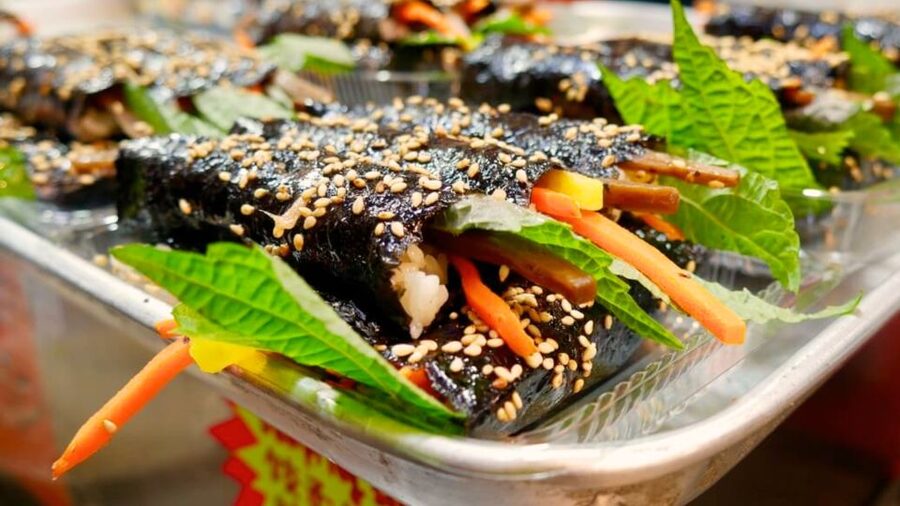
REVIEW · GWANGJANG MARKET & SEOUL STREET FOOD
Seoul: Gwangjang Market Netflix Food Tour
Market noodles, hanok alleys, and a real local guide. This 3-hour walking tour stitches together Insa-dong culture lanes and Gwangjang Market street food with a guide who explains what you are eating and seeing. I love how it builds from historic streets into the market, and I love that the tastings are planned so the best portions land toward the end. One catch: it is not a full meal, so going in on an empty stomach can backfire.
For $64 per person, you are really buying a guided “sampler” that includes the guide, entrance fees, and 3-5 street food tastings (option dependent). I think that is solid value if you want Korean food context and not just food shopping, especially because the food choices are guided. If your main goal is to eat until you cannot move, this may feel a bit snacky.
The tour is led in English or Korean, and the small-group vibe shows up in the feedback. I keep seeing names like Sam, Charlie, Peter Park, Sally, and Alan getting praised for being fun and for giving people clear choices, not food guesswork, even when conditions get rough.
In This Review
- Key points at a glance
- How this route connects Seoul’s art streets to street food
- Insa-dong Culture Avenue: antiques, art, and what the guide helps you notice
- Ikseon-dong hanok lanes: old Seoul mood with modern caffeine nearby
- Gwangjang Market: where the tastings feel like a plan, not a gamble
- What you are really paying for at $64
- Guide quality: the difference between a walk and a story
- Practical pacing: where to start hungry, and where to not rush
- Who should book this Seoul market tour, and who should reconsider
- Should you book the Gwangjang Market Netflix Food Tour?
- FAQ
- FAQ
- Where does the tour start?
- Where does the tour end?
- How long is the tour?
- What food is included in the tour price?
- Does the tour include a whole meal?
- Are there guide options for different languages?
- Is this tour private or small-group?
- How much does it cost?
- What if there are not enough travelers?
- What is the cancellation window?
Key points at a glance
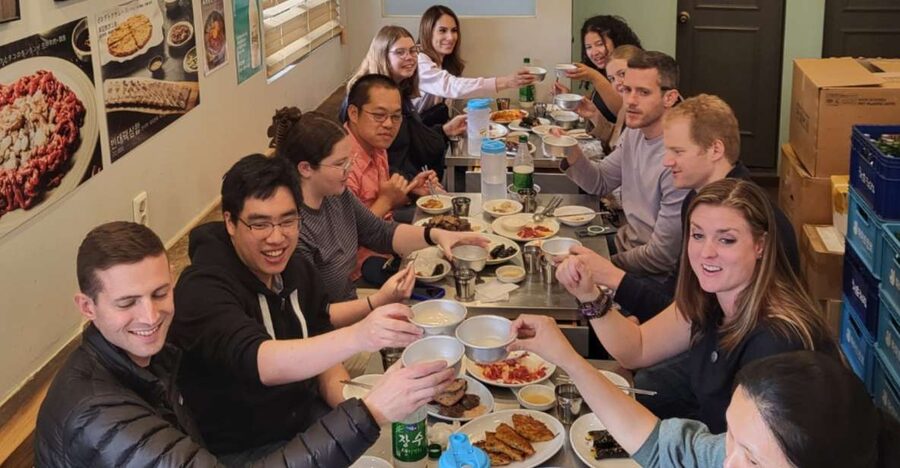
- Insa-dong to Ikseon-dong to Gwangjang Market in one efficient loop, so you see old Seoul vibes and then eat your way through the market
- Guide-led tastings (3-5 kinds, depending on the option) with the culture behind the dishes
- Best portions at the end, so plan your hunger like a smart person
- Gwangjang Market has history beyond food, including textiles and handmade goods alongside the stalls
- Insa-dong and Ikseon-dong both mix tradition and modern life, with hanok architecture in Ikseon-dong
- English and Korean guides with strong marks for keeping the experience fun and easy to follow
One more stop for food in Seoul
How this route connects Seoul’s art streets to street food
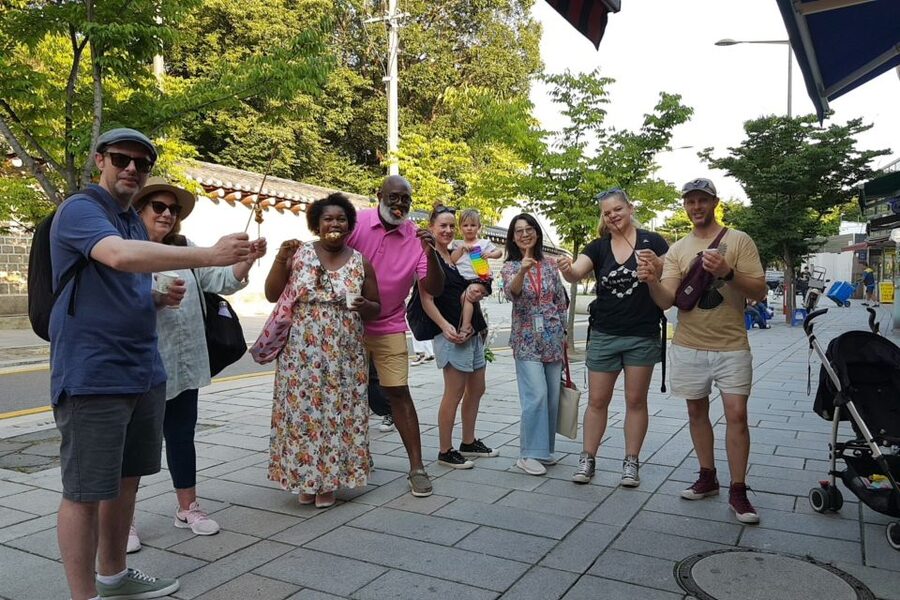
This tour is built like a story you can walk through. You start at Anguk Station (Subway Line 3), then shift into Insa-dong, go to Ikseon-dong, and finish at Gwangjang Market. That order matters because it gradually turns your attention from culture and place to what the city’s people actually eat.
You are looking at about 3 hours of walking. The pacing is friendly, not a sprint, but it is still a walk through neighborhoods where streets can get narrow. Wear comfortable shoes, and do not plan on stopping to shop for an hour at every store. The whole point is that your guide keeps the group moving so you get to the market while you still have space for the food.
Also note the end-of-tour food reality: the tour does not supply a whole meal. They are upfront about it, and the practical implication is simple. Eat something before you go. Not a feast, just enough so you enjoy the tastings instead of rushing them.
Insa-dong Culture Avenue: antiques, art, and what the guide helps you notice
Insa-dong is where Seoul feels like a hands-on museum of everyday culture. You begin on Insa-dong Culture Avenue, and you immediately get the mix: art galleries, antique shops, and small artisanal boutiques along the lane. Even if you are not the type who buys souvenirs, this is a great place to learn how Seoul markets and crafts work, because the stores are part of the local rhythm.
The best part here is the guidance. The guide explains why Insa-dong matters, including its evolution from a historical hub into a neighborhood where old and new sit side-by-side. That kind of context changes the walk. Instead of seeing storefronts as just backdrops, you start noticing themes: where people trade in antiques, how art shows up in everyday commerce, and why the area became known for traditional culture.
A practical tip: bring your curiosity. This stop is not only about seeing famous street scenes, it is about picking up the local logic behind them. Guides like Sam and Charlie stand out in the feedback for giving history and culture in a way that stays fun, not lecture-heavy.
Ikseon-dong hanok lanes: old Seoul mood with modern caffeine nearby
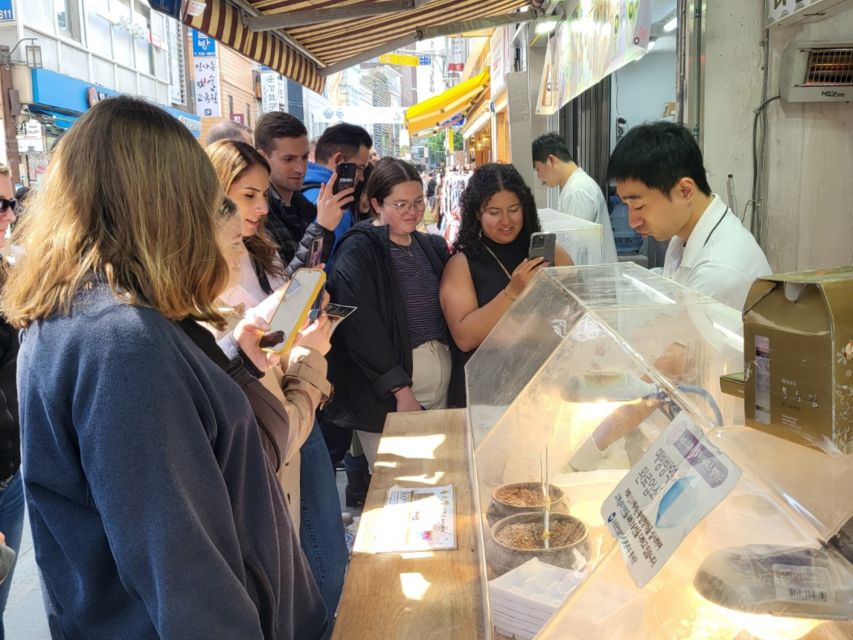
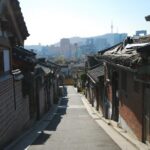
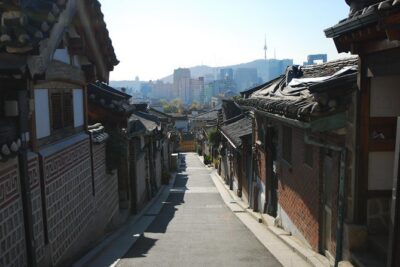
From Insa-dong, the tour moves into Ikseon-dong, which is known for preserving an older Seoul atmosphere. This is the neighborhood where hanok buildings show up along narrow alleys, and where the streets feel more like you are walking through a carefully kept slice of the past.
What I like about this part of the itinerary is that it balances aesthetics with lived-in energy. Yes, you get the traditional hanok look. But you also see trendy cafes and daily street life happening in the same streets. That blend is exactly what makes Ikseon-dong useful on a short visit. You get photo-worthy architecture, but you also get the sense that the neighborhood is used, not just staged.
It is a walking stretch, so think about comfort and time. If you slow down too much to read every sign or browse every shop, you can end up rushing later in the market. I recommend letting the guide set the pace for this leg, then doing your own exploring after you have tasted what you came for.
Gwangjang Market: where the tastings feel like a plan, not a gamble
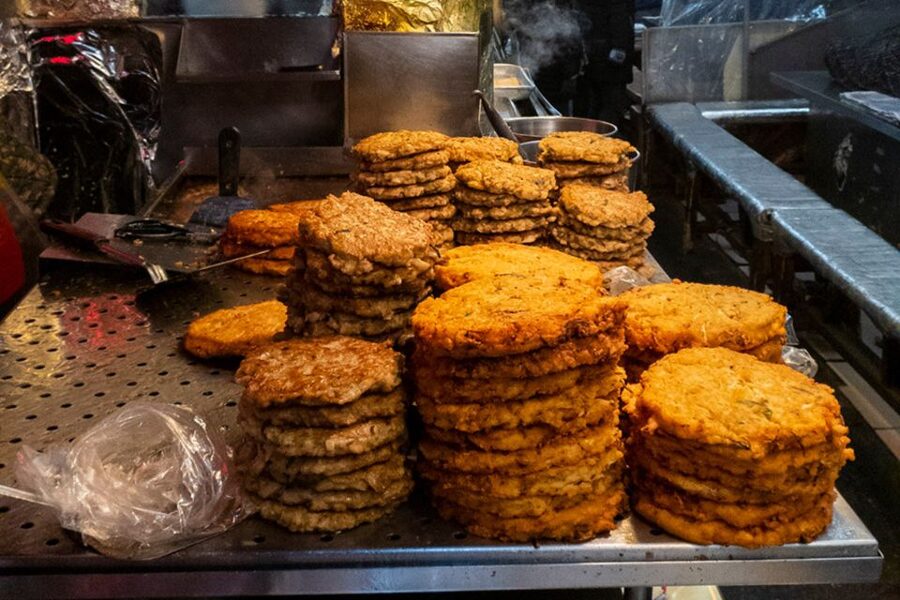
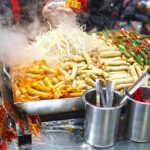
This is the payoff. Gwangjang Market is a historic marketplace with roots stretching back to the early 1900s, and it is not just a place to eat. You will also see stalls tied to textiles and handmade goods, which gives the market a wider local feel than a purely food-focused stop.
The food part works best when you understand the structure. You get 3-5 kinds of street food tasting depending on the option. The tour includes the guide and entrance fees, so you are not trying to figure out where to line up or which stalls are actually worth the time. That is a big deal in any market. Without guidance, you can accidentally waste your best energy on places that are convenient instead of memorable.
And then there is the timing, which multiple people effectively praise through their overall satisfaction. The tour notes that the greatest portions are at the end, and you should treat that as your main scheduling cue. Plan to be hungry by then, but not ravenous from skipping meals. If you need a concrete rule: eat something earlier, keep it light, and then let the market do the heavy lifting.
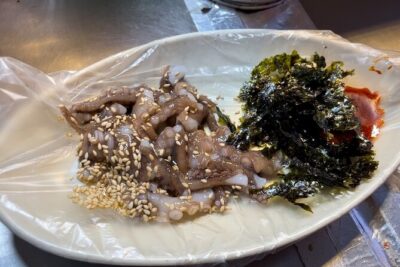
One specific highlight that shows up in the feedback is octopus at the end of the tour. Even if you are unsure about it, knowing it is part of the lineup helps you decide how you want to approach the tastings overall. If seafood is not your thing, you can still enjoy the tour for the broader selection and the culture talk, but you will want to manage expectations.
More eating and drinking in Seoul
- Downtown Seoul Guided Food & Market Tour with 8+ Local Tastings
★ 5.0 · 580 reviews - Small-Group Night Food Tour in Seoul with Korean BBQ
★ 5.0 · 304 reviews - Seoul Night Palace & Market Food Tour with Vehicle
★ 5.0 · 275 reviews - Seoul Fun Food Tour: 12 different food tastings
★ 5.0 · 266 reviews - Soju Tasting at Distillery – story of 3 pigs
★ 5.0 · 166 reviews
What you are really paying for at $64
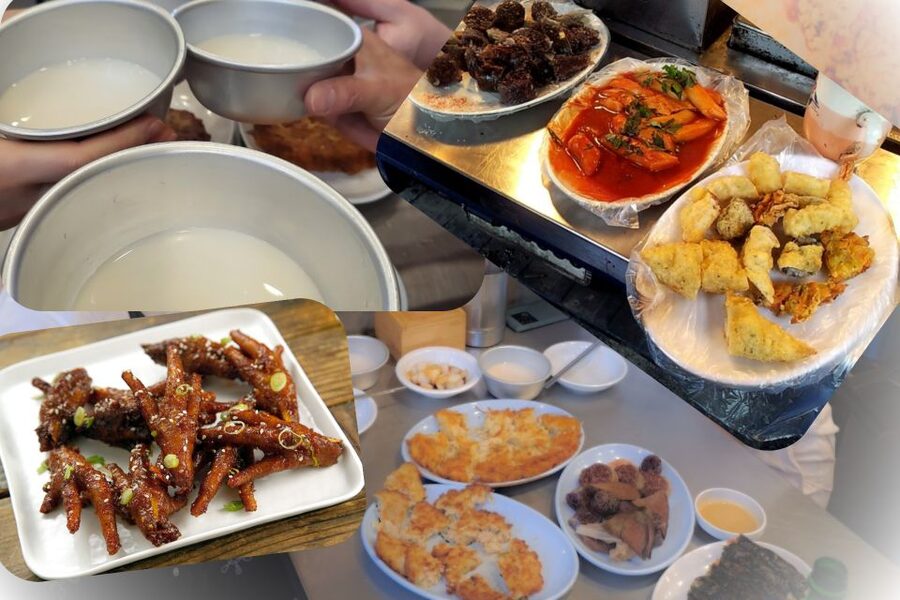
At $64 per person for about 3 hours, you are not buying a full lunch, you are buying three things that are hard to replicate on your own:
- Selection help: your guide points you to the foods that fit the story of the market and the neighborhoods you visited
- Context: the tour is designed to explain what you are seeing and eating, not just hand you items on toothpicks
- Time saved: in areas like Gwangjang, it is easy to get turned around. A planned route is the practical value
If you have never tried Korean street food, this format is especially useful. The tastings are meant to be an introduction, and the guide’s explanations help you understand why each dish has its place in everyday life.
On the other hand, if you are already a street-food expert and you want to eat one thing repeatedly until you can rank it, this may feel limited because it is intentionally not a whole meal. In that case, I would treat it as a guided starter course, then plan to eat more afterward on your own terms.
Guide quality: the difference between a walk and a story
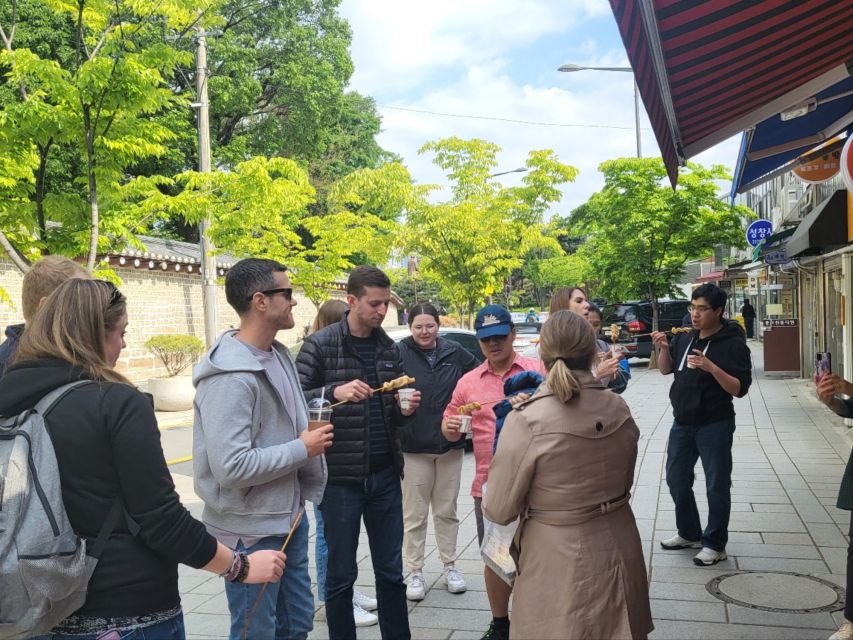
The reviews paint a pretty consistent picture of what makes this tour work: the guide. People praise guides for history and culture explanations, for staying upbeat, and for making sure the group makes good food choices.
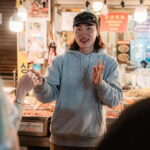
You can see that in several names mentioned directly: Sam gets called out for incredible knowledge and for not steering people wrong on food options. Charlie is praised as both knowledgeable and fun. Peter Park shows up with high praise for being the best part of someone’s trip experience, including a specific mention of octopus at the end. Sally earns compliments for warmth, flexibility, and guiding people through Insadong and then into the market with ease. Alan is repeatedly described as friendly, helpful, and careful in how he explains culture and restaurant customs, plus strong comments about value because everything is included.
Why that matters for you: in Seoul markets, the difference between an okay experience and a great one is often whether someone helps you understand what you are about to eat and how to order or behave. When the guide gets that right, the food tastes better. Not because the food magically changes, but because you approach it with understanding.
The tour also runs with English or Korean guides. That helps if you want clarity on ingredients, local habits, or the meaning behind what you are looking at.
Practical pacing: where to start hungry, and where to not rush
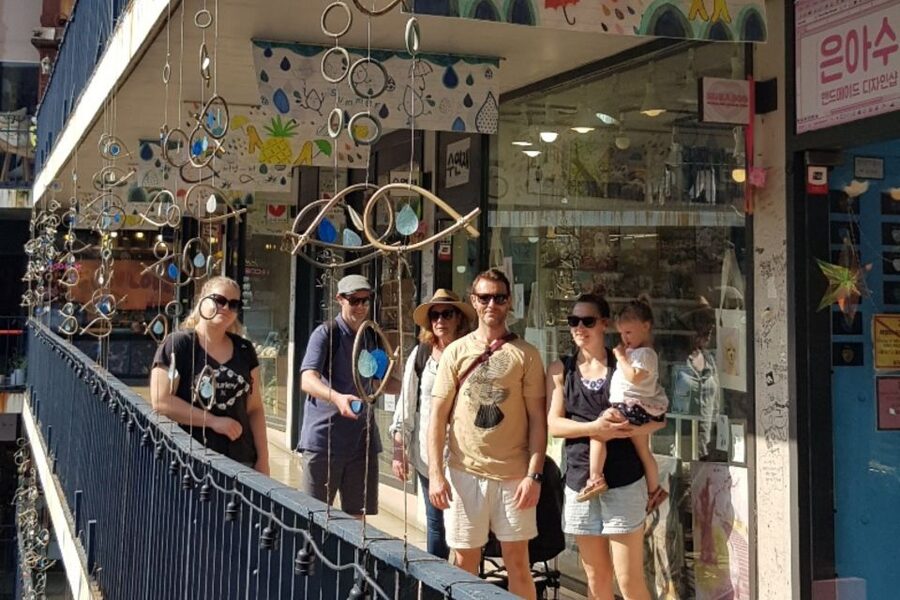
Because you finish at Gwangjang Market and the biggest portions come last, your hunger strategy matters more than you might think. The tour itself is clear: it does not supply a whole meal. So I strongly suggest you do not skip meals beforehand. The best experience is when you can taste thoughtfully without feeling like you are performing an eating contest.
Also plan your time buffer. The meeting point is in front of Exit 6 of Anguk Station (Line 3), and you should arrive 10-15 minutes early. That margin keeps the start from turning into a stress sprint, especially if you are navigating the subway.
Weather can be a factor because you are walking. One review mentions terrible weather conditions, but the tour still worked out well, which suggests the guides are used to adapting. Bring a small layer or rain protection if your forecast looks questionable, and keep your expectations flexible.
Who should book this Seoul market tour, and who should reconsider
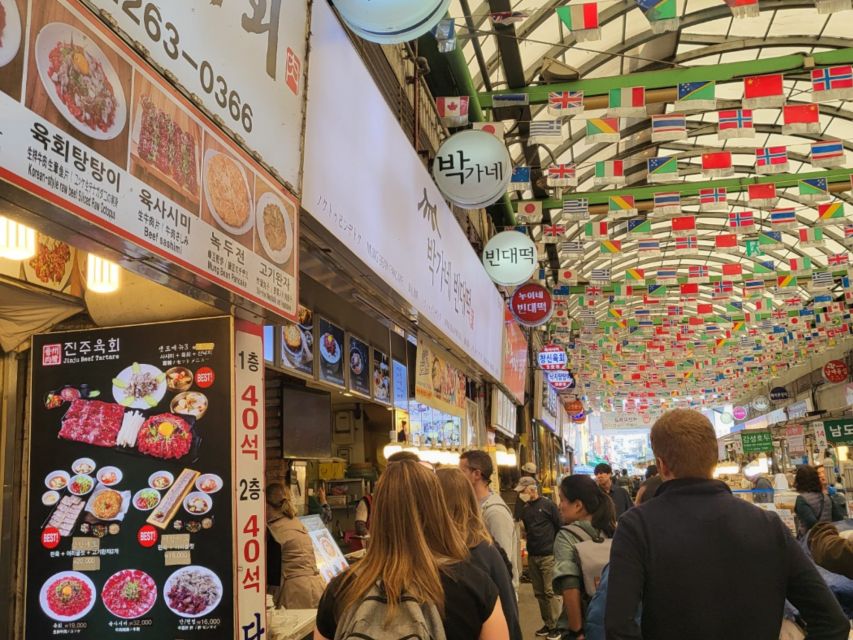
This tour is a great match if you want:
- A first-time Seoul itinerary that connects neighborhoods logically
- A way to try Korean street food without worrying about which stalls to trust
- A guided walk that includes culture and history explanations, not just eating
- A short, efficient experience that lands you at the market by the end of the walk
It may be less ideal if:
- You want a full meal included in the price
- You plan to spend your main energy shopping for textiles or browsing for antiques for long stretches
- You dislike walking in tight lanes and market alleys, even with a guide handling the route
If you fall into the middle category, you can still make it work. Just eat before you go, then treat the included tastings as the guided “highlights,” and plan a proper post-tour meal nearby.
Should you book the Gwangjang Market Netflix Food Tour?
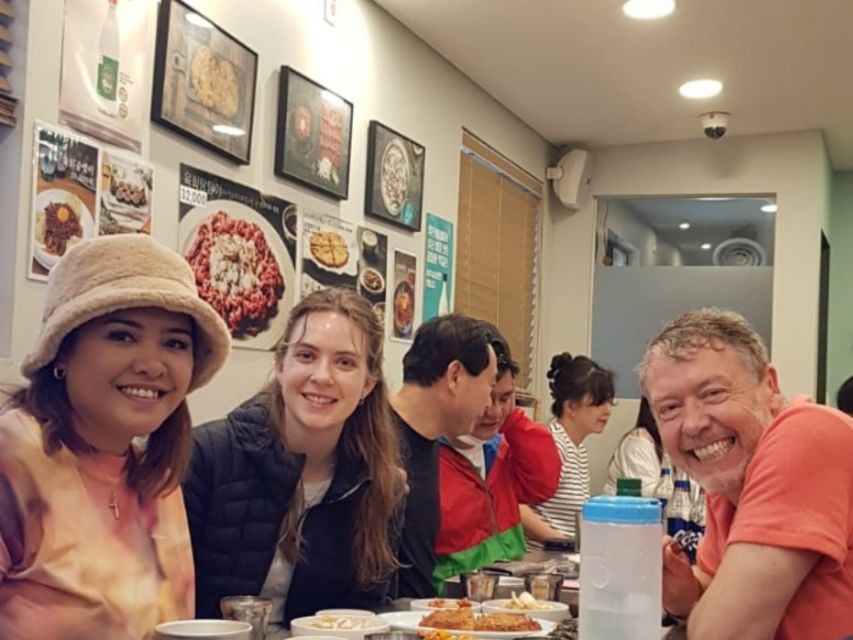
Based on the overall rating of 4.7 from 31 reviews, this is one of those Seoul experiences that tends to deliver when you match it to the right expectations. If you want a smart, walkable intro to Insa-dong, Ikseon-dong, and Gwangjang Market, plus 3-5 planned street food tastings with clear guidance, it is a strong choice.
I would book it if you value being told what to eat and why, and if you do not need the tour to replace a full restaurant meal. I would be cautious if you are the type who wants to eat one big thing after another and does not care much about the cultural context.
FAQ
FAQ
Where does the tour start?
The tour meets in front of Exit 6 of Anguk Station on Subway Line 3.
Where does the tour end?
The tour finishes at Gwangjang Market.
How long is the tour?
It lasts about 3 hours.
What food is included in the tour price?
The tour includes 3 to 5 kinds of street food tasting depending on the option, plus a guide and entrance fees.
Does the tour include a whole meal?
No. It includes street food tastes, but it does not supply a whole meal. The greatest portions are at the end, so it is recommended not to skip meals before the tour.
Are there guide options for different languages?
Yes. The live tour guide is available in English and Korean.
Is this tour private or small-group?
Yes. Private or small groups are available.
How much does it cost?
The price is $64 per person.
What if there are not enough travelers?
If the tour is canceled because the minimum number of travelers is not met, you will be offered a different date or a full refund.
What is the cancellation window?
You can cancel up to 24 hours in advance for a full refund.
Keep Browsing Seoul
More Seoul Write-Ups
Room For One More Plate in Seoul?
Fresh on the Seoul pile
- Unique Native Experience : Han River Picnic, Board game, BBQ★ 5.0 · 3 reviews
- 2-Hour Private Kayaking and Paddleboarding Experience in Hanriver★ 5.0 · 3 reviews
- Korean Folk Village & Suwon Hwaseong Fortress Private Tour★ 5.0 · 3 reviews
- Seoul Korean BBQ Dinner Experience with Secret Food Tours★ 5.0 · 3 reviews
- Seoul Highlights & Hidden Gems – Private Tour with Photo Service★ 5.0 · 3 reviews
- Night Food Tour in Seoul with Traditional and Modern Cuisine★ 5.0 · 3 reviews
Gwangjang Market & Seoul Street Food you might have missed.
 ★ 4.9Seoul: Gyeongbok Palace, Bukchon Village, and Gwangjang TourFrom $322,321 reviews
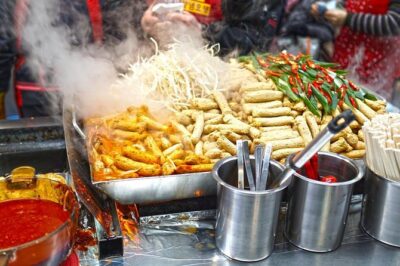 ★ 5.0Seoul Street Food Market TourFrom $731,226 reviews
★ 5.0Seoul: Gyeongbok Palace, Bukchon Village, and Gwangjang TourFrom $321,044 reviews
★ 5.0Seoul Street Food Market TourFrom $731,226 reviews
★ 5.0Seoul: Gyeongbok Palace, Bukchon Village, and Gwangjang TourFrom $321,044 reviews
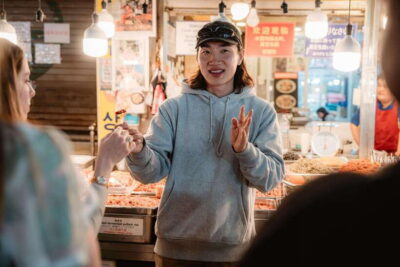 ★ 4.9Seoul: Night Market Food Tour with Local GuideFrom $73943 reviews
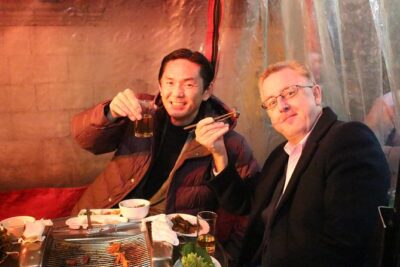 ★ 5.0Small-Group Night Food Tour in Seoul with Korean BBQFrom $110304 reviews
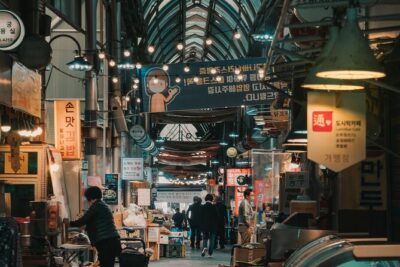 ★ 5.0Seoul Night Palace & Market Food Tour with VehicleFrom $79275 reviews
 ★ 5.0Seoul Fun Food Tour: 12 different food tastingsFrom $88266 reviews
 ★ 4.5The Award-Winning PRIVATE Food Tour of Seoul: The 10 TastingsFrom $178128 reviews
Where this tour also appears