
REVIEW · SUWON & HWASEONG FORTRESS
From Seoul: Suwon Hwaseong Fortress Tour
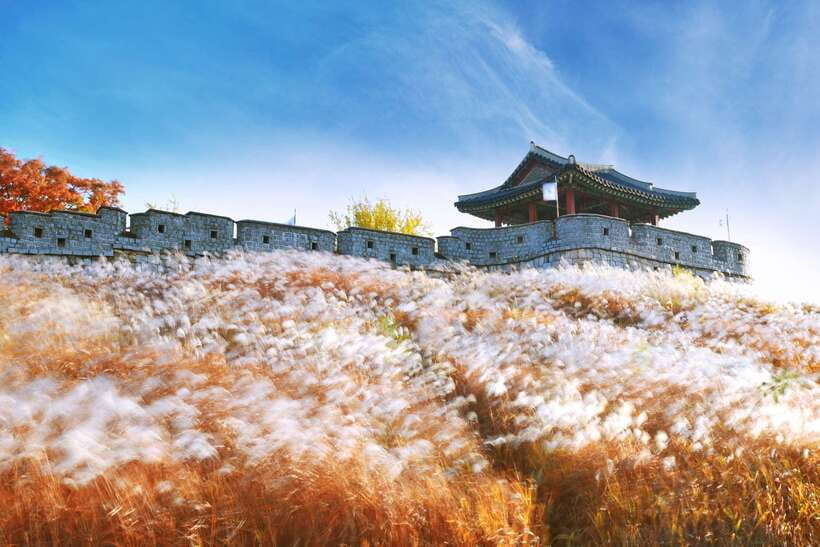
Fortress walls with real stories. This guided day trip takes you from Seoul to UNESCO-listed Hwaseong Fortress, then adds the king’s fortified residence at Hwaseong Haenggung. For full-day versions, you tack on an old-school Korean living-history stop at the Korean Folk Village, with seasonal performances.
Two things I really like: first, the way guides such as Shin, Leo, and Stella turn heavy history into clear, human details you can actually picture. Second, the logistics are simple, with air-conditioned transport, and a drop-off near Myeongdong Station so your evening plans stay easy. A fair caution: you might not see every optional performance or every single walkway segment on the day you go, depending on timing and what else is happening.
In This Review
- Key points before you go
- Suwon From Seoul: meeting point and how the day actually moves
- Walking the UNESCO Hwaseong Fortress: what you gain from a guided route
- Hwaseong Haenggung Palace: the fortified royal stop you will remember
- Full-day upgrade at Korean Folk Village (and Dae Jang Geum Park): Joseon life, shown instead of told
- The guide matters more than you think: how English storytelling shapes your photos and memory
- Price and value: is $52 fair for this much guided time?
- Comfort checklist: shoes, rules, and what can affect your experience
- Who should book this tour, and who might prefer something else
- Should you book this Suwon Hwaseong Fortress tour?
- FAQ
- Where do I meet the tour guide?
- How long is the tour?
- Does the price include admissions and transportation?
- Is lunch included?
- What languages are the guides?
- Is the tour wheelchair accessible?
Key points before you go
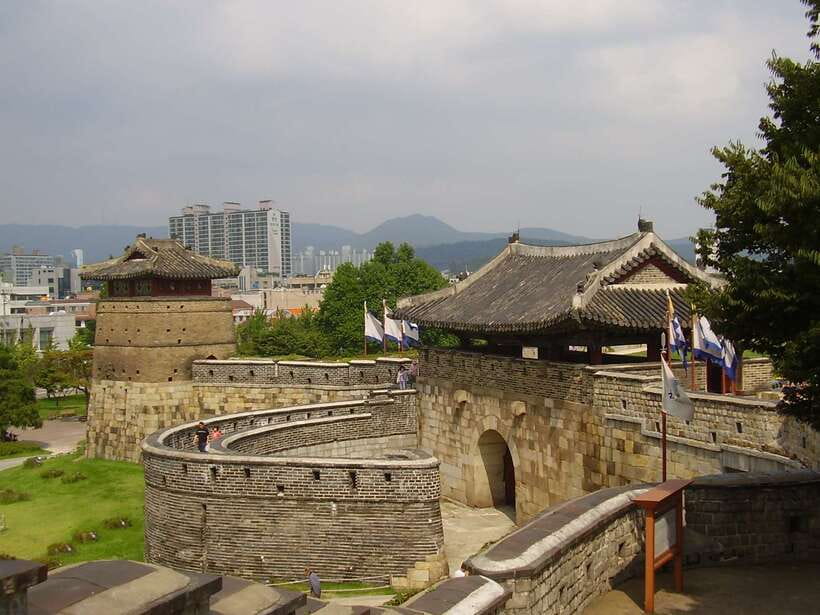
- UNESCO Hwaseong Fortress plus guided route planning, so you spend your time on the most meaningful sections of wall.
- Hwaseong Haenggung Palace gives you the Joseon-era feeling of a king traveling with security and purpose.
- Full-day option adds Korean Folk Village (or Dae Jang Geum Park) with cultural classes and seasonal events.
- Guides like Matthew, Sue, Sophie, and Henry are repeatedly praised for clear explanations and friendly Q and A.
- The day is built around comfort, with air-conditioned bus or minivan and a convenient Myeongdong-area drop-off.
Other fortress walks near Seoul
Suwon From Seoul: meeting point and how the day actually moves
You start in Seoul, and the meeting point is refreshingly specific: you meet your guide outside Exit #10 of Myeong-dong Station. If you selected optional pickup, you may get collected from central hotel areas like Gangnam, Myeongdong, Gwanghwamun, Itaewon, and Dongdaemun. If your lodging is harder to reach, the guide meets you at the nearest central hotel or subway stop.
Why that matters: on fortress days, small friction adds up. Fewer taxi hassles and a clear handoff from guide to driver means you reach Suwon with energy left for walking. The tour uses an air-conditioned bus or minivan, and that comfort shows up in practical ways when the weather is warm or you are wearing practical shoes all day.
Typical timing feels like this: you head out from Seoul, spend focused time at the fortress and Haenggung, then you either return after the half-day highlights or continue to the full-day cultural add-on. The half-day version is great if you want Suwon as a story-driven stop, then go back to Seoul to eat and wander on your own. The full-day version is better when you want contrast: walls and royal defense in the morning, then Joseon-era daily life later.
Walking the UNESCO Hwaseong Fortress: what you gain from a guided route
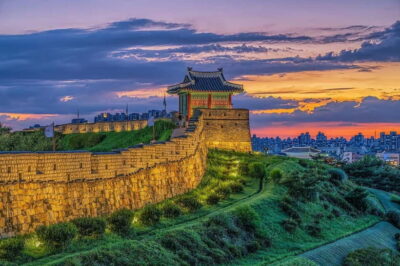
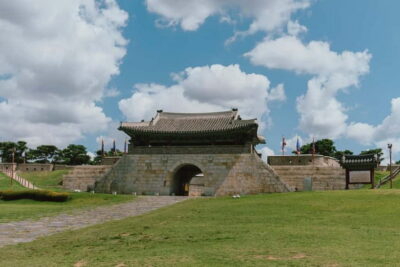
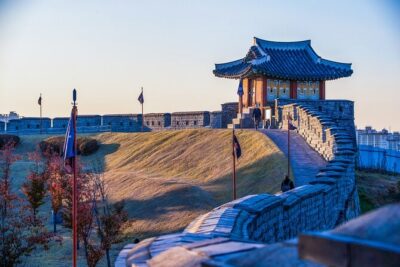
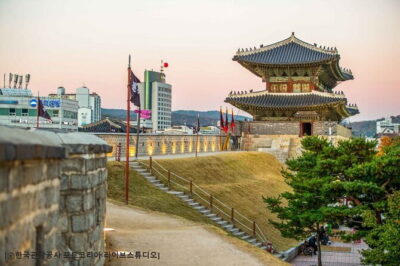
Hwaseong Fortress is one of those places where the scale can shock you. The fortress was built in the late 18th century under King Jeongjo of the Joseon Dynasty as a defensive fortification, and the walls still feel solid and purposeful. With a guide, you do not just stroll stones. You learn why the wall line is the way it is and how it supported defense, communication, and control.
Here is what the guided approach changes for you:
- You get a logical walk sequence. Instead of randomly hopping between viewpoints, you follow a route that makes the architecture and fortification strategy easier to understand.
- You get story context. You learn what life and power looked like in Joseon times, not just what the fortress looks like today.
- You get help managing energy. In hot weather, a guide can guide you toward shorter options around the wall, so the day stays enjoyable rather than miserable.
One point to consider: the fortress is big. If your group pace is different or if there are crowd flow decisions on the ground, you may not walk every single segment you imagined. That is not a reason to skip the tour, just a heads-up so you set expectations. If you are hoping for maximum wall-walking, ask your guide on-site about the easiest ways to see the most impressive sections without burning yourself out.
Hwaseong Haenggung Palace: the fortified royal stop you will remember
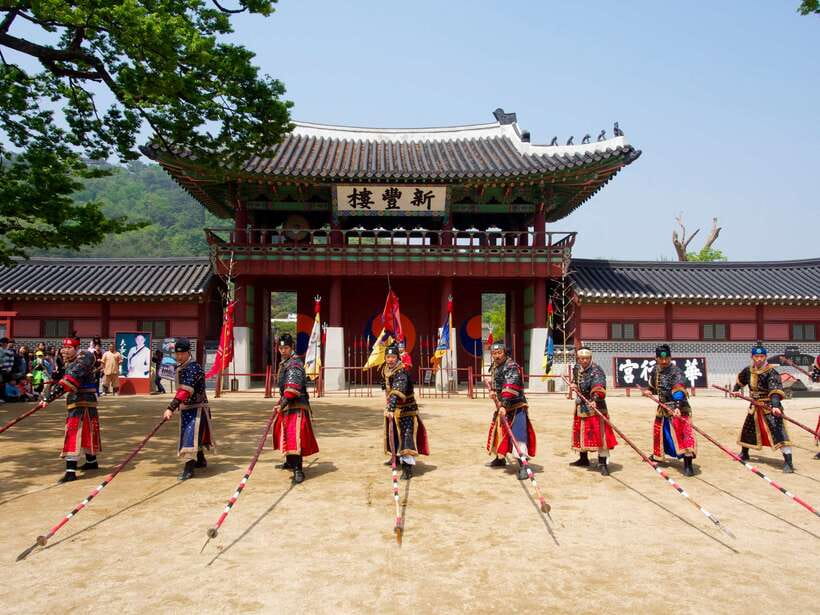
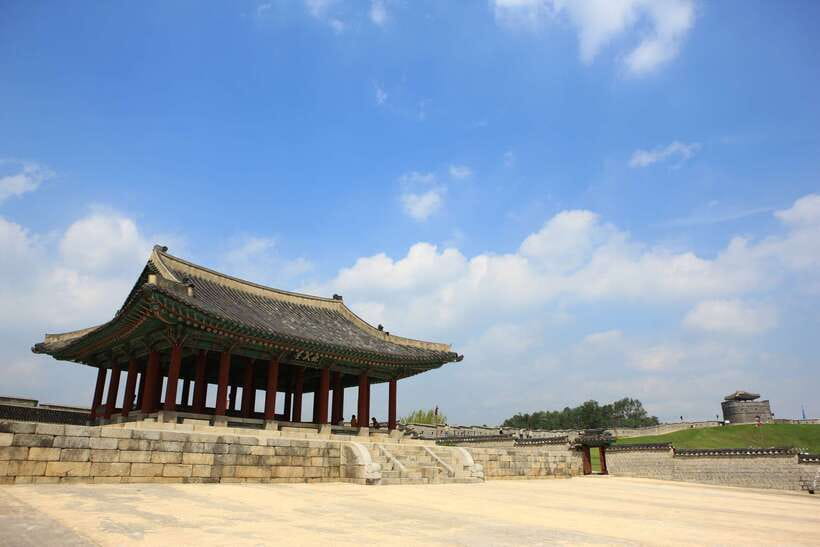
After the fortress walls, you shift gears to Hwaseong Haenggung, a fortified palace complex that served as a temporary royal residence when Joseon kings traveled outside the capital. The key idea is simple: this place was not just decorative. It was set up for security and authority while on the move.
What makes this stop satisfying is how it connects the dots. The fortress teaches you defense. Haenggung shows you governance and power, in built form. You will likely notice how the architecture supports the idea of a royal entourage operating under protection, with planned movement rather than casual wandering.
Even in short explanations, guides such as Shin and Orota stand out for relating cultural and everyday life details, including how religion and daily routines were part of the world people lived in back then. You end up with a clearer mental picture, like you are not just visiting rooms, you are imagining a court that had to function under pressure.
If you want a single sentence takeaway: Hwaseong Haenggung helps the fortress make more sense.
Full-day upgrade at Korean Folk Village (and Dae Jang Geum Park): Joseon life, shown instead of told
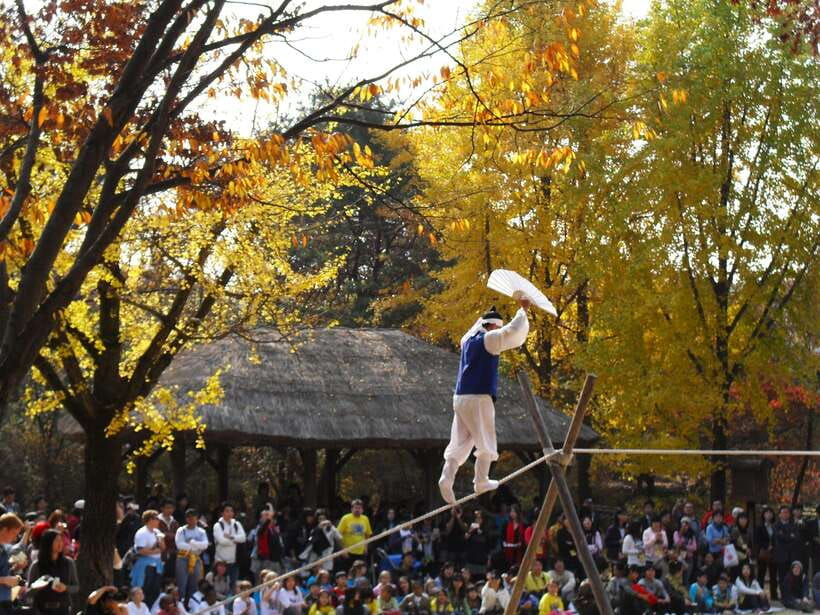
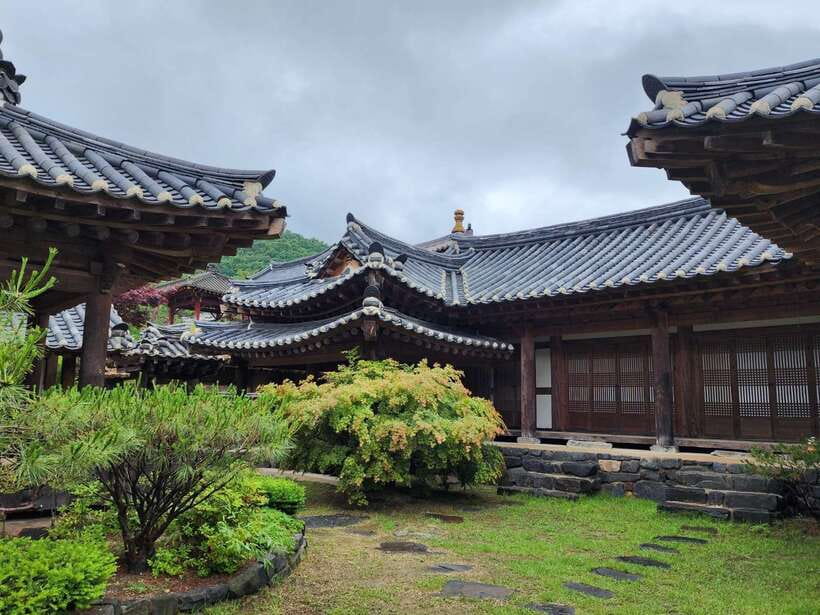
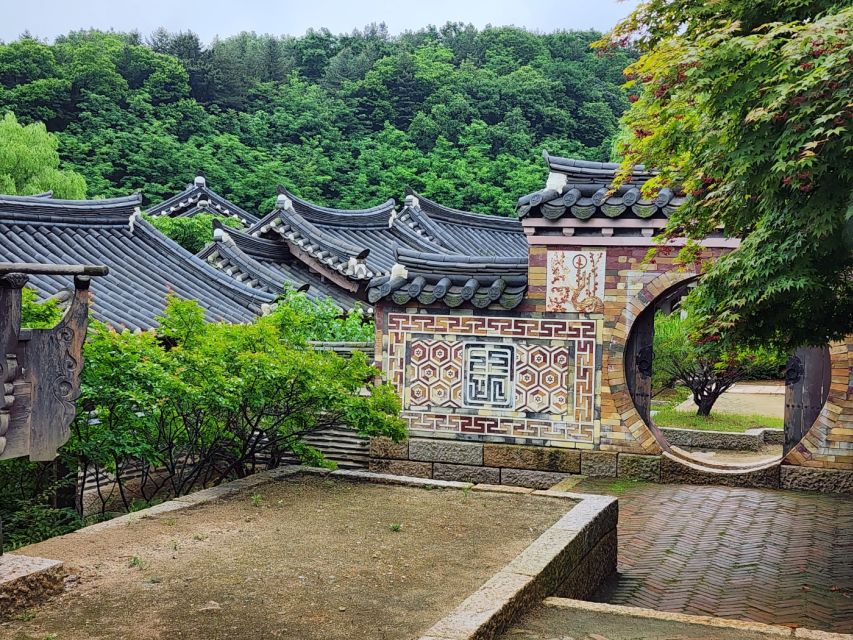
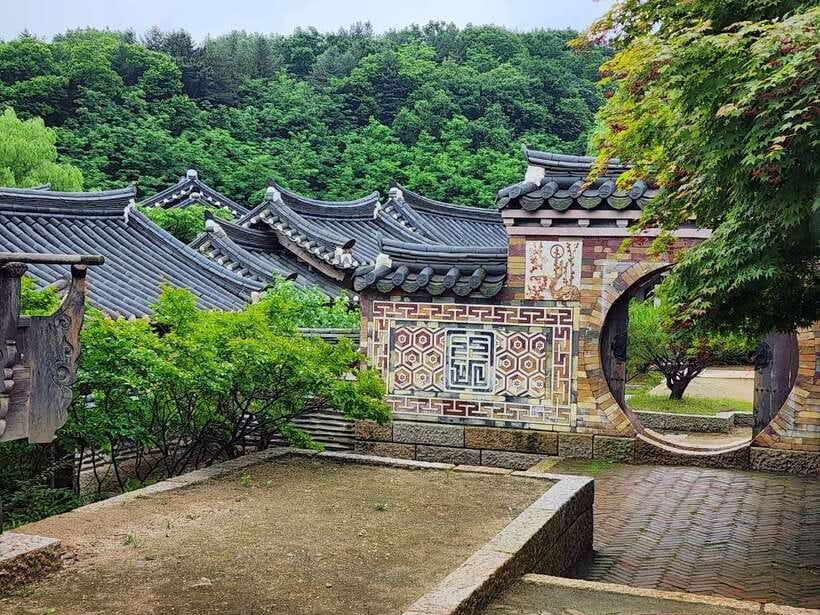
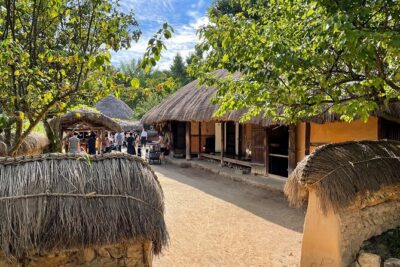
If you choose the full-day option, you add a living-history style experience at Korean Folk Village in Yongin. The village is designed to introduce traditional culture from the late Joseon period through cultural activities and restored homes. You are not just looking at buildings. The experience points toward how people lived, believed, and marked seasons.
You can expect elements such as:
- Restored Joseon houses that recreate the past.
- Cultural topics that include shaman faith and seasonal customs.
- Cultural classes and demonstrations aimed at both local and international visitors.
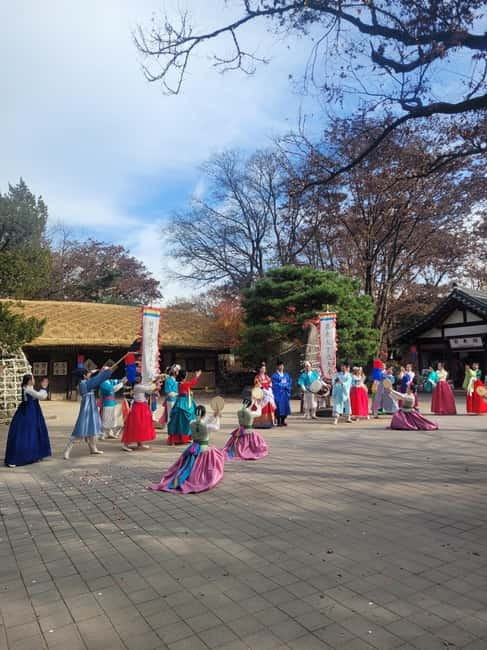
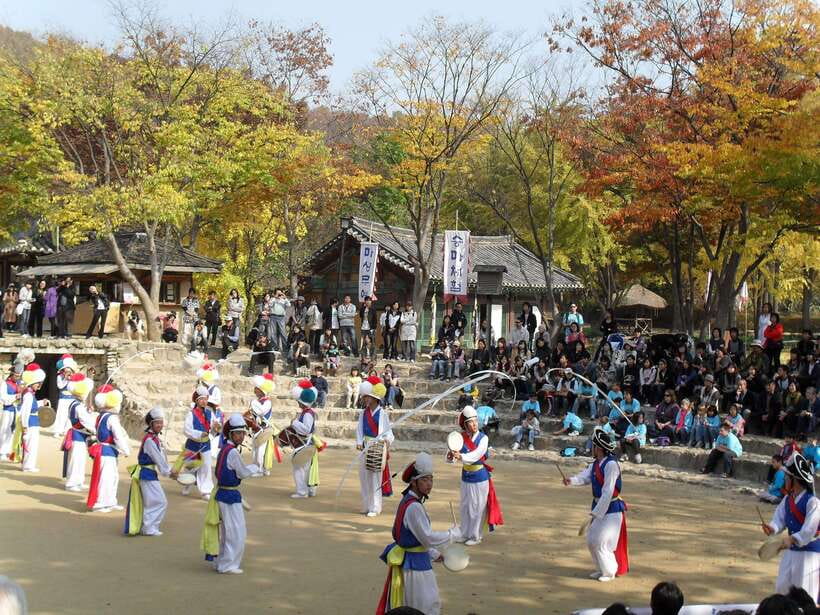
And then there is the performance side, which is where timing matters. The village can include events such as nongak (farmer’s music), martial arts on horseback, and traditional wedding ceremonies. But these happen based on the season and what is scheduled that day.
So here is the balanced way to think about it:
- If a performance you care about is running, it can be a highlight that makes the afternoon memorable.
- If it is not running, you still have the restored environment and cultural presentations, but you might feel like one hoped-for moment was missing.
That lines up with what I would personally watch for. I would not build my entire day around one specific stage event. I would build around the overall vibe: restored homes, traditional culture, and a guided lens that helps you interpret what you are seeing.
Also, lunch is on you. The full-day schedule includes a lunch time break, but food and drinks are not included in the price. Plan for a real meal rather than a snack, because walking and performances can work up an appetite.
- Best DMZ Tour Korea from Seoul (Red Suspension Bridge Optional)
★ 5.0 · 41,422 reviews - DMZ Tour: 3rd Tunnel, Option(Suspension Bridge, Boat) from Seoul
★ 5.0 · 21,373 reviews - DMZ tour south Korea from Seoul (NK experience hall, defector)
★ 5.0 · 20,599 reviews - Seoul: DMZ Tour with Optional Suspension Bridge
★ 4.8 · 5,277 reviews - Signature DMZ Tour: Exclusive Defector Talk & Suspension Bridge
★ 5.0 · 4,459 reviews
The guide matters more than you think: how English storytelling shapes your photos and memory
This kind of tour lives or dies by the guide’s ability to make you care. The good news is that you have lots of evidence that the guiding style here lands well.
Across different guide names, you see the same pattern:
- They answer questions clearly.
- They explain context in a way that keeps you from getting lost in random details.
- They help with practical moments like pacing and where to stand for photos.
For example, you may hear guides like Leo and Henry described as great at keeping younger visitors engaged. You may also notice that some guides can connect the fortress sites to pop culture. One tour described a guide who pointed out K-drama scene locations for easier, more meaningful photo stops. If you care about that angle, tell your guide early. It is often the kind of thing that comes out naturally once they know what you are interested in.
I also like that different guides emphasize different parts of the story. Some focus more on religion and everyday life. Others focus on architecture and troop training. Your guide picks the balance, and that balance shapes your memory of the day.
One more practical detail: guides can help you avoid wasted time. If you want the fortress plus the palace plus the full-day village without feeling rushed, it helps when your guide plans the walking order and adjusts for heat. That is the kind of invisible skill that makes a “good tour” feel smooth.
Price and value: is $52 fair for this much guided time?
At $52 per person, the tour is not the cheapest way to see Suwon. The question is whether the guided time plus admissions plus transport add up to value for your travel style.
Here is how I think about it:
You get value when you want:
- A guided route through a large, historically complex site.
- Admission fees handled for you.
- Air-conditioned transport between Seoul and Suwon.
- A drop-off near Myeongdong Station, so your day ends cleanly.
You might feel the price is less fair when:
- You only want one small piece of the fortress and you are happy to explore on your own.
- You are trying to get every optional show moment and expect perfect scheduling.
- Your group pace is very independent and you rarely ask questions, because the guided part is where your money is working.
The best value tends to come from treating this as your one expert-led Suwon day. In that mindset, you are paying to save time and avoid the “what am I looking at” feeling that can happen with major historic sites.
A smart move: wear comfortable shoes and assume you will walk. If you do, you will actually benefit from what you paid for.
Comfort checklist: shoes, rules, and what can affect your experience
Bring comfortable shoes. That sounds obvious, but fortress days punish flimsy soles. You will also want to pace yourself, especially if you are going during warmer months. One guide was noted for managing heat by taking a shorter route around the wall using a small train option. Even if you do not use that exact route, you can ask about the easiest way to keep the day enjoyable.
A few rules to keep in mind:
- Alcohol and drugs are not allowed.
- Unaccompanied minors are not allowed.
- The tour is not suitable for wheelchair users.
Also note the tour languages: English and Japanese. If you need another language, you will need to confirm availability with the provider before you go.
Who should book this tour, and who might prefer something else
Book this if you:
- Want a guided, story-driven day in Suwon without spending your time figuring out logistics.
- Like history told in plain language, with room for Q and A.
- Are curious about how Joseon-era royal power worked, not just what the buildings look like.
- Are open to seasonal events at Korean Folk Village during the full-day version.
You might skip or consider a different style if you:
- Prefer totally independent sightseeing and hate group schedules.
- Want maximum wall-walking and know you will be upset if you do not cover every possible segment.
- Need wheelchair accessibility, since this is not suitable for wheelchair users.
If you have a private group, that can help you control pacing and interests more closely. That can be a great fit for families or friends who want a tailored focus.
Should you book this Suwon Hwaseong Fortress tour?
I would book it if you want one well-structured Suwon day where Hwaseong Fortress and Hwaseong Haenggung make sense together, with a guide who can explain the why, not just the what. The combination is strong. The fortress gives scale and defense. The palace gives royal life in motion. And the full-day option adds a Joseon everyday-life layer that makes the whole region feel more complete.
I would only hesitate if you are going primarily for one specific performance, because seasonal programming can shift. If that matters to you, ask your guide what is scheduled that day and treat the performances as bonus moments rather than the core of your plan.
Bottom line: for most people, $52 plus admissions and transport feels fair for the guided value you get, especially if you plan to do both the fortress and the palace.
FAQ
Where do I meet the tour guide?
You meet the guide outside Exit #10 of Myeong-dong Station.
How long is the tour?
The tour runs for 4 to 8 hours, depending on the option and starting time.
Does the price include admissions and transportation?
Yes. The tour includes admission fees, a guide, transportation by air-conditioned bus or minivan, and drop-off in the Myeongdong area.
Is lunch included?
No. Food and drinks are not included. For the full-day tour, lunch time is given, but you pay for your own meal.
What languages are the guides?
Live guides are available in English and Japanese.
Is the tour wheelchair accessible?
No. The tour is not suitable for wheelchair users.
Keep Browsing Seoul


More Seoul Write-Ups
Hwaseong and Other Fortress Walks



Fresh on the Seoul pile
- Unique Native Experience : Han River Picnic, Board game, BBQ★ 5.0 · 3 reviews
- 2-Hour Private Kayaking and Paddleboarding Experience in Hanriver★ 5.0 · 3 reviews
- Korean Folk Village & Suwon Hwaseong Fortress Private Tour★ 5.0 · 3 reviews
- Seoul Korean BBQ Dinner Experience with Secret Food Tours★ 5.0 · 3 reviews
- Seoul Highlights & Hidden Gems – Private Tour with Photo Service★ 5.0 · 3 reviews
- Night Food Tour in Seoul with Traditional and Modern Cuisine★ 5.0 · 3 reviews
Suwon & Hwaseong Fortress you might have missed.
 ★ 4.7Seoul: Suwon Hwaseong Fortress & Korean Folk Village TourFrom $74214 reviews
 ★ 5.0Beyond Seoul: Starfield Library, Hwaseong Fortress & Cave QuestFrom $69177 reviews
 ★ 5.0Suwon Hwaseong+Gwangmyeong Cave+Starfield Library from SeoulFrom $54104 reviews
 ★ 4.4Suwon Hwaseong, Gwangmyeong Cave, & Starfield Library TripFrom $5887 reviews
 ★ 4.5Korean Folk Village and Suwon Hwaseong Fortress Day Tour(EG Tour)From $6980 reviews
 ★ 5.0From Seoul: Suwon Hwaseong Fortress Night TourFrom $6978 reviews
 ★ 5.0Hwaseong Fortress/Folk Village/Starfield Library SuwonFrom $5867 reviews
 ★ 5.0Day Tour of Suwon Hwaseong Fortress Starfield Waujeongsa TempleFrom $5461 reviews
Where this tour also appears