
REVIEW · MAKGEOLLI, SOJU & KOREAN NIGHTLIFE
Learn and Craft Makgeolli in a Traditional Brewery
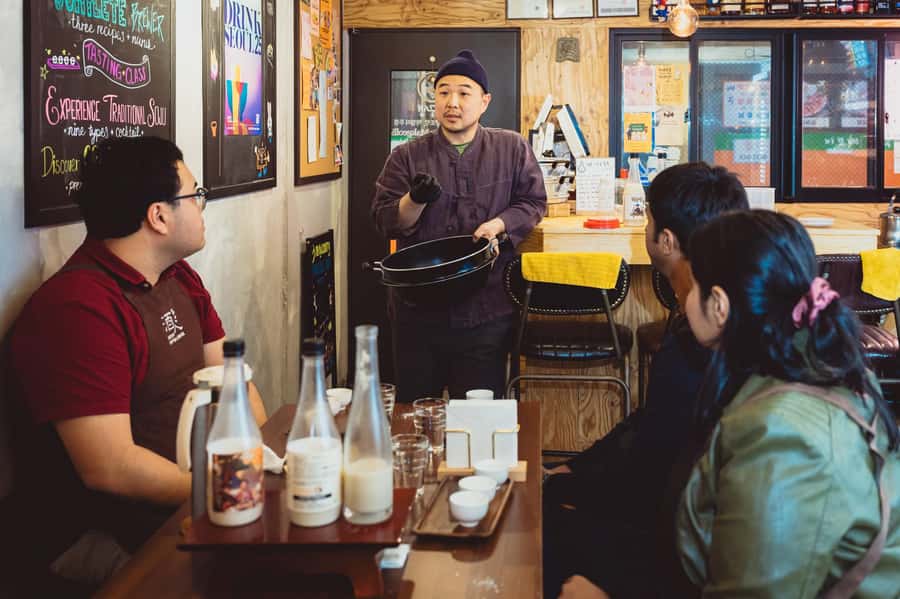
Rice wine lessons beat another bar stop. You get hands-on training at Baekusaeng Makgeolli in Ahyeon Market, led by founder and Korean Alcohol Sommelier Joe Kim. I love that you compare craft vs commercial makgeolli while tasting your way through the flavors, not just watching a demo.
I also love the payoff: you make your own batch and leave with a makgeolli fermenting kit that yields about 1.5 liters. It turns a fun 2-hour activity into something you can continue at home.
One heads-up: the class is only two hours, and it moves fast through theory, tastings, and brewing steps, so it can feel crowded.
In This Review
- Key things to know before you go
- Why learn makgeolli in a traditional brewery setting
- Meeting Baekusaeng Makgeolli inside Ahyeon Market
- The tasting session: craft vs commercial makgeolli
- Joe Kim’s teaching approach and what makes it feel hands-on
- Choosing ingredients and tools that affect the final flavor
- Making your own homemade makgeolli batch
- Blind tastings and sampling soju, what to pay attention to
- Price and value: what $80 buys you in a 2-hour class
- Logistics that will make your class smoother
- Who should book this makgeolli class
- Should you book this makgeolli class?
- FAQ
- How long is the makgeolli class?
- How much does it cost?
- Where is the meeting point?
- How do I get there by subway?
- What do I take home after the class?
- What languages are the classes taught in?
- Who cannot join, and what rules are there?
Key things to know before you go
- Instructor-led by Joe Kim, brewery owner and Korean Alcohol Sommelier, with English support
- Craft vs commercial tastings so you learn what changes the glass you hold
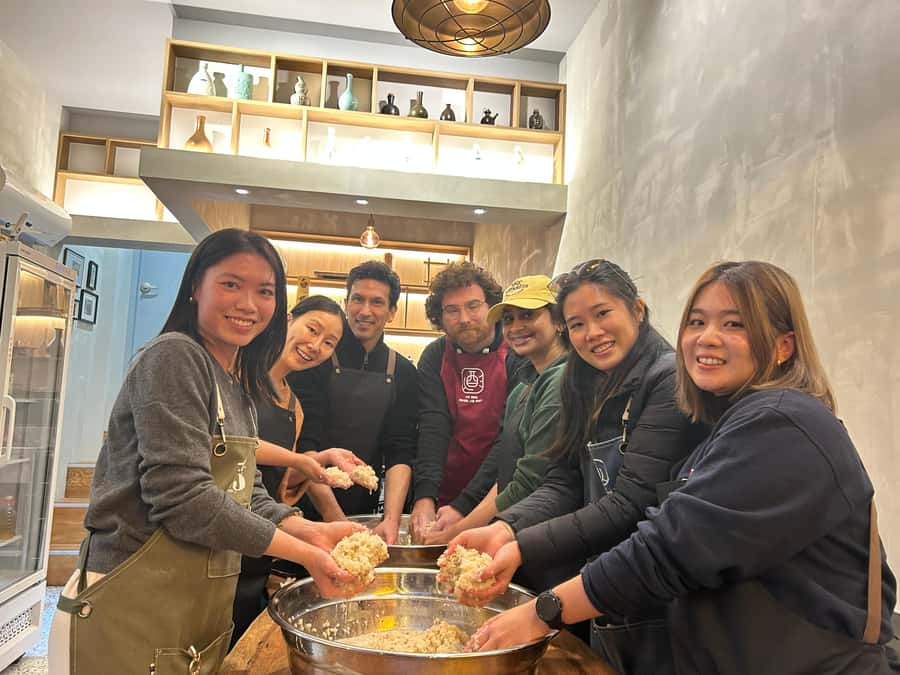
- Hands-on brewing where you craft your own homemade makgeolli
- Blind tastings plus soju sampling, with lots of guided comparisons
- Small group capped at 10, which helps questions and pacing
- Take-home fermentation kit (about 1.5 liters), plus light snacks during class
Seoul by the glass, a few more
Why learn makgeolli in a traditional brewery setting
Makgeolli is one of those Korean drinks that feels ordinary and special at the same time. It is rice wine, it is tied to everyday food culture, and it is also deeply tied to how fermentation works when you do it the traditional way.
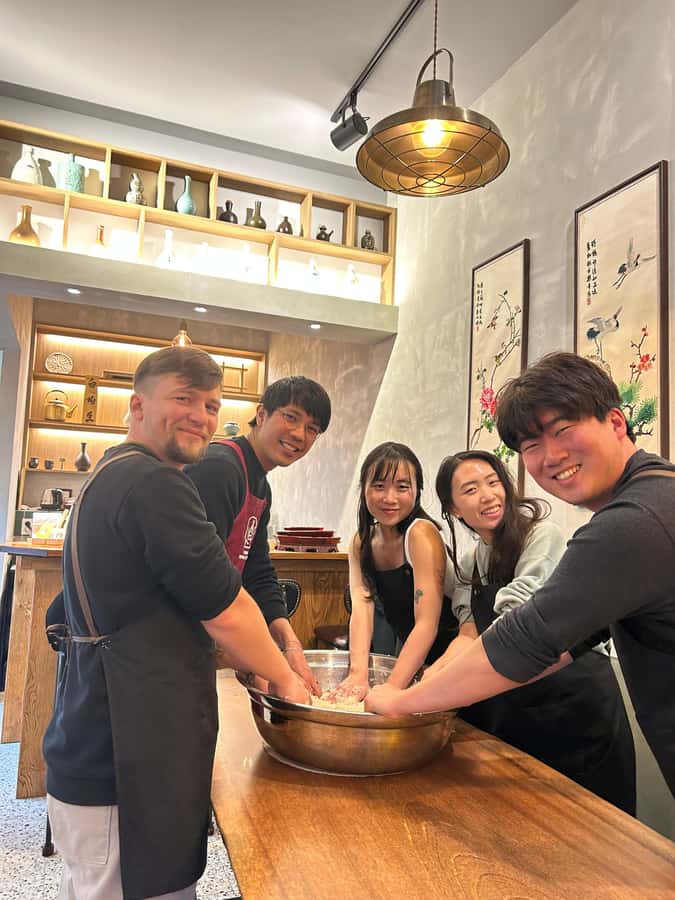
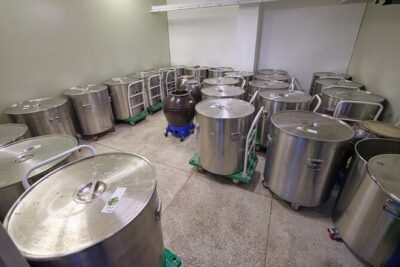
What makes this class stand out is the setting. You are not learning in a classroom with a picture slideshow. You learn inside a working makgeolli brewery located in the center of Seoul, right inside a traditional market. That matters because brewing is practical. Even if you are only here for two hours, you can feel how the process connects to real tools, real timing, and real smells.
Led by Joe Kim, the experience has a teacher who can connect the story to the science, without turning it into a lecture you forget. You cover history and theory, then you taste multiple styles, then you build your own batch. That order helps your brain stick to what matters.
Meeting Baekusaeng Makgeolli inside Ahyeon Market
You meet at 백구생 (Baekusaeng Makgeolli) at 마포구 아현동 346-35, inside Ahyeon Market. The brewery is in the market area, so you should plan to walk a bit once you reach the neighborhood.
If you are taking the subway, you go to Ahyeon Station (Line 2), then Exit 4. Walk straight until you see Mega Coffee, then turn left and keep going. You should see the entrance to the market on your left, and you will find the shop logo where you need to be.
Two practical things I like about this location:
- It feels authentic. A market location keeps the whole experience grounded in everyday Seoul.
- You can combine it with other market wandering before or after.
A practical consideration: the class does not include pick-up from the subway station. That is not a deal breaker, but it does mean you should allow a little extra time to find the market entrance and get inside.
Also, bring a reusable bag. You will take home your fermentation vessel.
The tasting session: craft vs commercial makgeolli
The class starts by teaching you how to notice differences. You do this in a friendly way, through tasting and comparison, not just reading labels.
A big feature here is that you learn to tell craft makgeolli from commercial makgeolli. In plain terms, craft usually signals more attention to what you ferment and how you handle it, while commercial products are made for consistency and scale. In the tasting, you start connecting those ideas to aromas, textures, and flavor balance.
You also get a guided sampling lineup that includes both craft and commercial styles, and the class continues with tastings of premium types. The point is not to memorize names. The point is to learn how to taste like you are brewing.
What I find most useful is that the tastings are tied to what you are going to do later. Before you make your own batch, you already understand what you are aiming for, at least in broad strokes.
Joe Kim’s teaching approach and what makes it feel hands-on
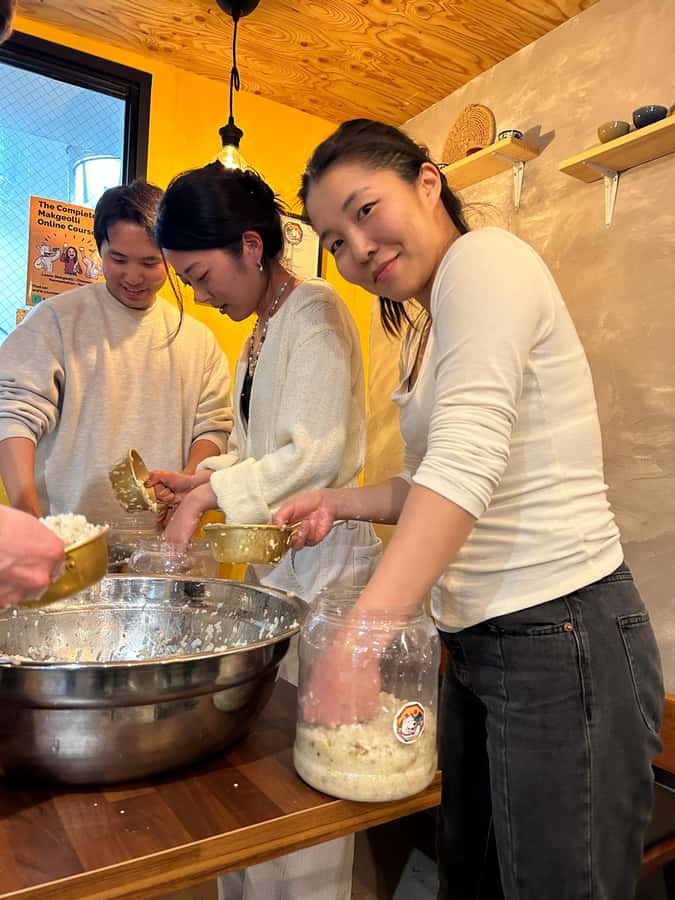
The instructor is Joe Kim, a certified Traditional Korean alcohol sommelier and makgeolli brewery owner. He is also the author of the first complete English guide to home brewing Korean rice wine. That combination shows up in how the class runs.
You get theory and history, but it is never detached from the cup in your hand. You get ingredient and tool guidance, then you apply it in your own brewing steps. If you like learning by doing, this is the right pace.
The class is taught in Korean, Spanish, and English, and since it is a small group (limited to 10 people), you are more likely to ask questions and get clear answers.
One reason this class gets high marks in my mind is that it does not feel like a performance. You are not only there to watch someone pour and smile. You are there to practice the process, which is what you will remember later when you are fermenting at home.
More drinking routes in Seoul
- Drinking and Eating through the Alleys of Seoul
★ 5.0 · 364 reviews - Seoul: Anthony Bourdain-Inspired BBQ and Pub Experience
★ 5.0 · 186 reviews - Korean Drinking Games Night (non-drinkers are also welcome)
★ 5.0 · 125 reviews - Seoul: Korean Drinking Games Night (non-drinkers welcome)
★ 4.9 · 122 reviews - The Seoul Pub Crawl [official]
★ 4.5 · 117 reviews
Choosing ingredients and tools that affect the final flavor
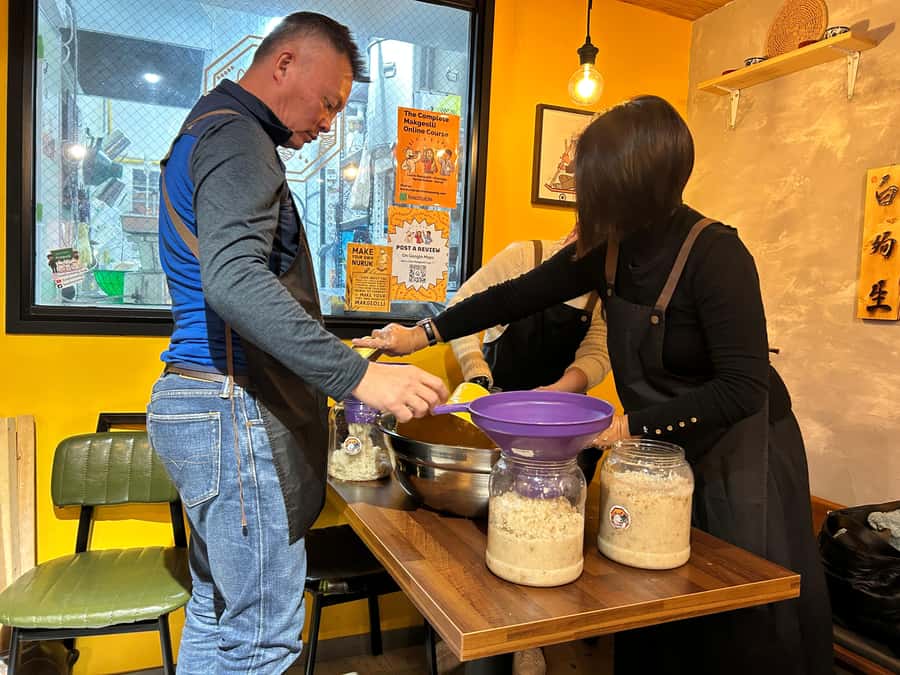
Before you start making your batch, you are taught how to choose the right ingredients and the right tools. The class explains the key pieces you need to understand, and it frames the choices in a practical way.
Even if you are not bringing technical brewing knowledge with you, you can still grasp the logic: fermentation is not one single step. It is a chain of decisions. Small changes in what you use and how you handle it can affect how your makgeolli tastes and how it behaves during fermentation.
Tools matter because you need control and cleanliness. The class walks you through selecting tools for the job, which helps you avoid the common beginner problem of improvising with whatever is in your kitchen.
You also get light snacks during the session, which helps because you will be tasting a lot. Just go in with the mindset that you are practicing, not sprinting.
Making your own homemade makgeolli batch
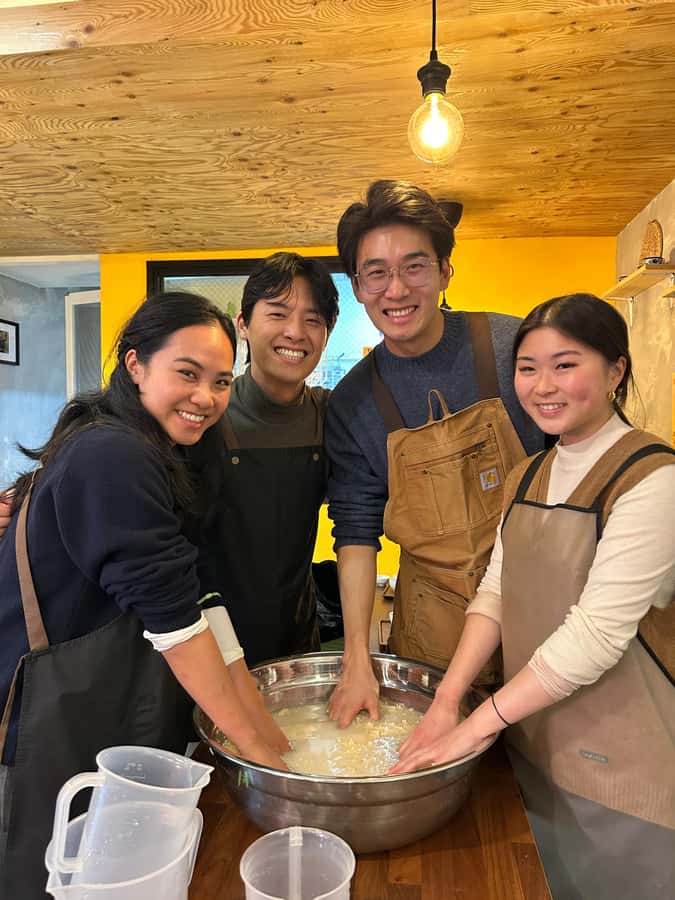
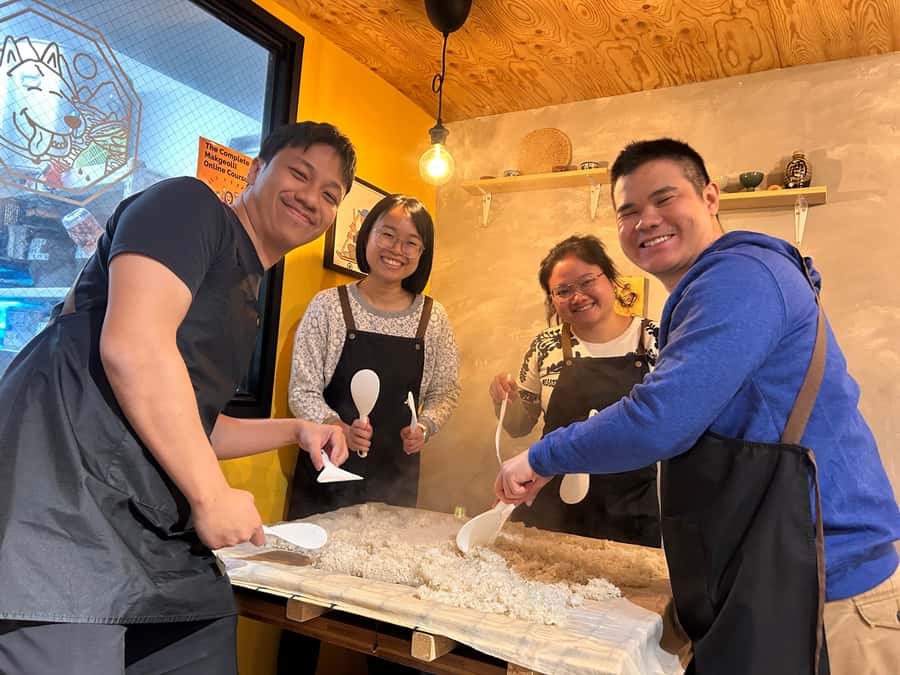
This is the heart of the class. You will craft your own homemade makgeolli as part of the experience.
Since the class includes tools and ingredient explanations, you are not left wondering what you are supposed to do when you get your hands on the process. Instead, you learn the method while working.
What you likely care about most as a traveler is the outcome. Here is the payoff: you take home your own makgeolli to ferment, yielding about 1.5 liters. If you cannot take it with you, the class can provide a finished bottle instead.
That take-home part is valuable because it turns learning into follow-through. You get to recreate the experience later, in your own space, which is the only way you build real confidence with fermentation.
The class also includes an in-session tasting of your craft makgeolli, so you can compare what you made to what you sampled earlier. That feedback loop helps your brain learn faster.
Blind tastings and sampling soju, what to pay attention to
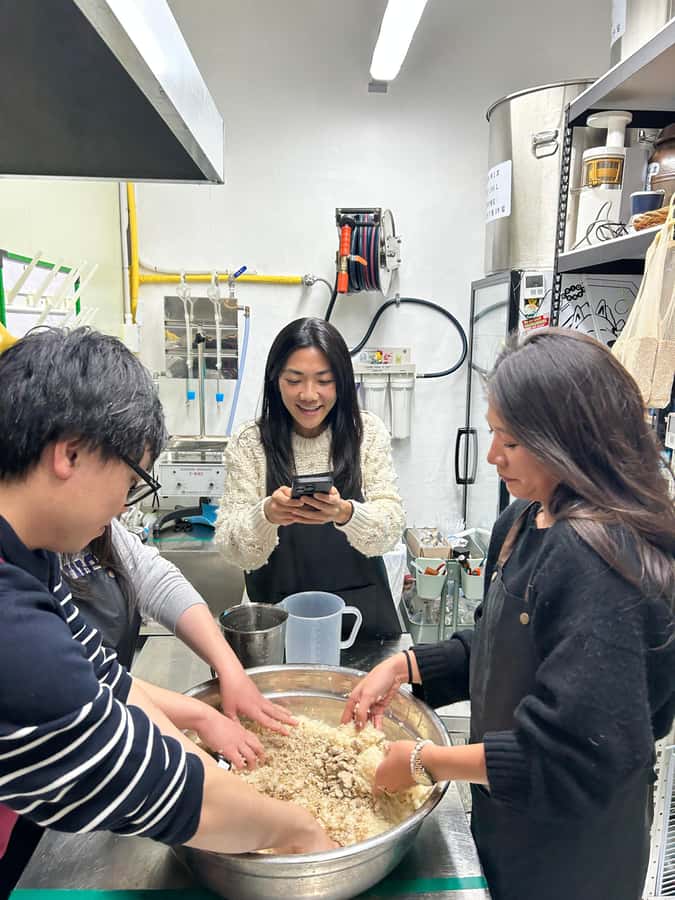
After the hands-on brewing, the class keeps your senses busy with more tasting formats, including blind tastings. Blind tasting is useful because it reduces bias. When you are not sure which style you are drinking, you start noticing what your senses are actually picking up.
On top of that, you also sample soju as part of the session. That matters because soju is the sibling drink in Korean alcohol culture. You can start mapping how fermentation-based flavors compare with other production styles you will often see at Korean meals.
What should you pay attention to during tasting?
- Aroma: does it smell clean, sweet, grainy, or more tangy?
- Texture: does it feel smooth, thicker, or lighter?
- Flavor balance: is the drink moving more toward acidity, sweetness, or softness?
You will not walk away with a single scorecard, but you will walk away with better instincts. And those instincts make it easier to choose makgeolli when you order it later, especially when a menu lists different styles.
Price and value: what $80 buys you in a 2-hour class
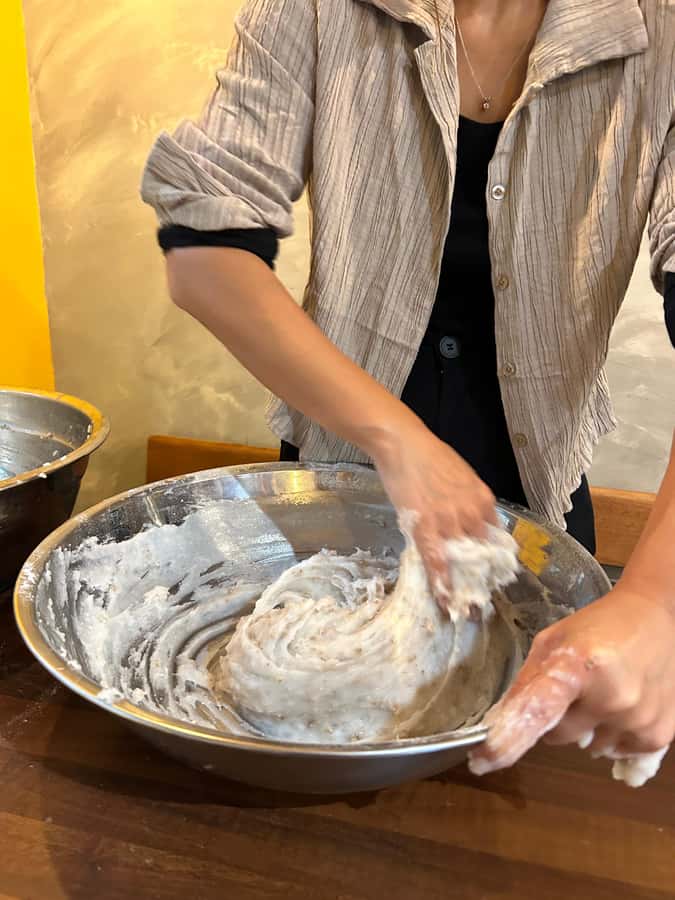
At $80 per person for about 2 hours, this class is priced like a true experience, not a quick tasting. The value comes from what is included, especially the take-home fermentation kit and the guided learning.
You are getting:
- Explanation on ingredients
- Guidance on selecting tools
- A chance to craft your own makgeolli
- Tasting of craft makgeolli
- Blind tastings
- Soju sampling
- Light snacks
- A take-home kit that can yield about 1.5 liters
In practical terms, you are paying for instruction by the brewery owner and sommelier, plus a structured tasting and brewing workflow. Many drinks experiences stop at tasting. Here, you go further and leave with something real you can ferment later.
Small group size (up to 10) also matters for value. It usually means less waiting, more time for questions, and a smoother hands-on experience.
Logistics that will make your class smoother
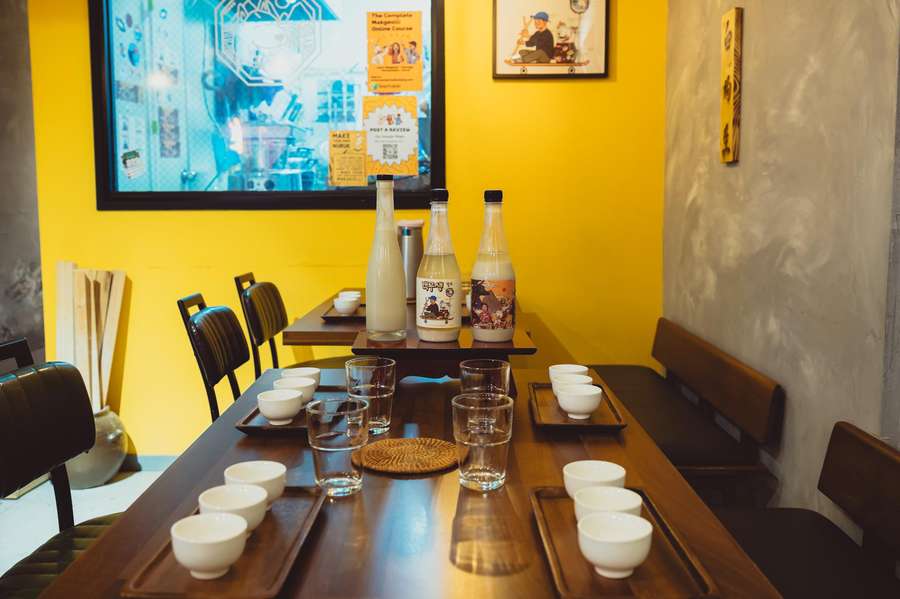
This one is simple, but a few details can make or break your stress level.
- Use public transportation. The class is designed around tasting and drinking, so you should plan to avoid driving.
- Bring a reusable bag to carry your vessel home.
- No smoking indoors, and alcohol and drugs are not allowed.
- The class is not suitable for pregnant women and not suitable for people under 21.
If you are the kind of person who gets hangry, plan to eat something beforehand or arrive with an appetite. Light snacks are provided, but you will likely want a decent meal earlier so the tastings feel fun instead of exhausting.
Also, since the class is only two hours, keep your phone quiet and expect a fast rhythm. The crowding comment makes sense if you are sensitive to tight spaces, but the trade-off is that you pack in tastings plus hands-on brewing without dragging the day.
Who should book this makgeolli class
You should book if you want more than a sip. This class is best for:
- Food and drink travelers who like learning through hands-on work
- People who want to understand how makgeolli differs by production style
- Anyone interested in Korean alcohol culture beyond the usual beer and soju loop
- Travelers who want something to take home, not only souvenirs
You might want to skip it if you dislike alcohol-focused classes, or if you cannot participate in tastings for personal reasons. The age and pregnancy restrictions are clear, and the tastings are part of the learning.
Should you book this makgeolli class?
Yes, if your goal is to understand Korean rice wine in a way that actually sticks. The combination of Joe Kim’s instruction, craft vs commercial tastings, and the chance to brew your own makgeolli plus take home a fermenting kit is a strong package for $80.
If you are worried about crowding or space, go in with realistic expectations for a two-hour group class. It is action-heavy, so wear comfortable clothes and be ready for a full sensory session. If you want a passive experience, look elsewhere. If you want a practical skill plus a fun tasting night, this is a smart bet.
FAQ
How long is the makgeolli class?
The class lasts about 2 hours.
How much does it cost?
The price is listed as $80 per person.
Where is the meeting point?
You meet at 백구생 (Baekusaeng Makgeolli), 마포구 아현동 346-35, inside Ahyeon Market.
How do I get there by subway?
Take Line 2 to Ahyeon Station. Use Exit 4, walk straight until Mega Coffee, turn left and walk straight until you see the market entrance on the left, then look for the shop logo.
What do I take home after the class?
You take home a makgeolli fermenting kit that should yield about 1.5 liters. If you cannot take it, you can receive a finished bottle instead.
What languages are the classes taught in?
The instructor supports Korean, Spanish, and English.
Who cannot join, and what rules are there?
The class is not suitable for pregnant women and people under 21. Smoking indoors is not allowed, and alcohol and drugs are not allowed.
Drinking Routes in Seoul


More Seoul Write-Ups


Poured in Seoul, a Few More

Fresh on the Seoul pile
- Unique Native Experience : Han River Picnic, Board game, BBQ★ 5.0 · 3 reviews
- 2-Hour Private Kayaking and Paddleboarding Experience in Hanriver★ 5.0 · 3 reviews
- Korean Folk Village & Suwon Hwaseong Fortress Private Tour★ 5.0 · 3 reviews
- Seoul Korean BBQ Dinner Experience with Secret Food Tours★ 5.0 · 3 reviews
- Seoul Highlights & Hidden Gems – Private Tour with Photo Service★ 5.0 · 3 reviews
- Night Food Tour in Seoul with Traditional and Modern Cuisine★ 5.0 · 3 reviews
Makgeolli, Soju & Korean Nightlife you might have missed.
 ★ 4.7Seoul: Pub CrawlFrom $25903 reviews
 ★ 5.0The Seoul Pub Crawl OfficialFrom $21838 reviews
 ★ 5.0Soju Tasting at Distillery – story of 3 pigsFrom $43166 reviews
 ★ 4.6Busan: Pub Crawl with FriendsFrom $22147 reviews
 ★ 5.0Seoul Pub Crawl by AbsoluteFrom $20141 reviews
 ★ 5.0Korean Drinking Games Night (non-drinkers are also welcome)From $40125 reviews
 ★ 4.9Seoul: Korean Drinking Games Night (non-drinkers welcome)From $39122 reviews
★ 4.5The Seoul Pub Crawl [official]From $24117 reviews
★ 4.9Seoul: Korean Drinking Games Night (non-drinkers welcome)From $39122 reviews
★ 4.5The Seoul Pub Crawl [official]From $24117 reviews
Where this tour also appears