
REVIEW · MAKGEOLLI, SOJU & KOREAN NIGHTLIFE
Korean Brewery
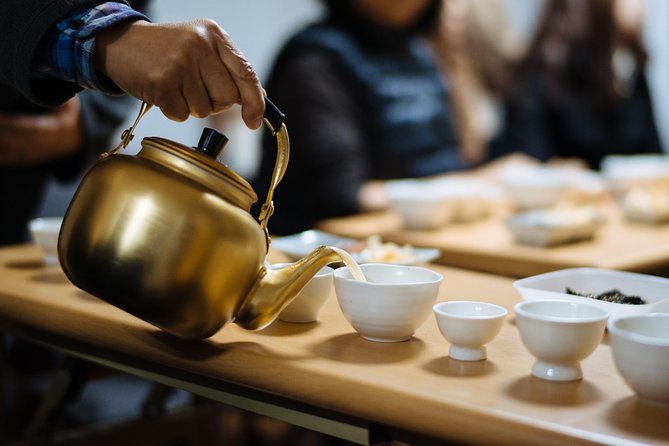
Three rice spirits, one tiny workshop. I really like how this tour centers on a real Makgeolli maker, a 10th-generation brewmaster connected to Seoul’s Human National Treasure program, not just a showroom tasting. I also love the dinner payoff, with a cozy group and a proper meal served alongside more traditional alcohol. One watch-out: getting to the exact meeting point in this part of Seoul can be confusing if you arrive late, so give yourself extra time to find 165 Anguk-dong.
You’ll start at 165 Anguk-dong in Jongno District, then walk over to Bukchon Hanok Village and the brewmaster’s workshop, followed by an Insadong neighborhood walk and a traditional restaurant dinner. The whole experience runs about 2 hours 30 minutes, uses a mobile ticket, and the minimum age is 21, so plan your evening around that if you are traveling with anyone underage.
In This Review
- Key things I’d circle before you go
- Why this Seoul Korean Brewery experience feels more like a workshop than a tasting
- Meeting in Anguk-dong, then walking into Bukchon Hanok Village
- Inside the brewmaster workshop, where soju-making becomes a story you can taste
- The tasting itself: what you learn from each sip of makgeolli, yakju, and soju
- Makgeolli
- Yakju
- Artisan soju
- Bukchon to Insadong: why the walk between tastings matters
- The dinner: doenjang jjigae, jeon, bossam, and a lot of makgeolli
- Price and time: is $150 good value for this Seoul experience?
- Who should book this tour, and who might want a different plan
- Should you book the Korean Brewery tour in Seoul?
- FAQ
- What alcohols are included in the tasting?
- How long is the tour, and where does it start and end?
- How big are the groups?
- Is the tour limited to adults?
- What’s included with the dinner?
- What is the cancellation policy?
Key things I’d circle before you go
- Meet a 10th-generation brewmaster tied to Seoul’s Human National Treasure designation, and see the workshop side of the process
- Taste makgeolli, yakju, and artisan soju while learning how each is made and how their alcohol levels differ
- Bukchon Hanok Village walking time plus craft-shop atmosphere before you get to the tastings
- Insadong dinner on a side street with a hearty Korean spread, including dishes like doenjang jjigae, jeon, and bossam
- Small group size (max 12), which makes questions and conversation actually happen
- Premium makgeolli with dinner so you are eating with the same drinks you learned about
Seoul by the glass, a few more
Why this Seoul Korean Brewery experience feels more like a workshop than a tasting
This is one of those food-and-drink tours where the alcohol is the headline, but the real value is the context. You are not just handed cups. You are walking into the culture of rice fermentation and distillation, hearing the differences explained by the person who makes it, and then sitting down to eat dishes that fit the same evening rhythm.
The tour is also built for conversation. With a maximum of 12 people, I find it easier to ask follow-up questions, and guides can adjust the pacing when you are curious about one particular drink. That matters with alcohol tastings, because the details are where it gets interesting: fermentation steps, how different styles end up tasting different, and why the same rice can become very different liquids.
Finally, you get a meal that goes beyond a token bite. The dinner includes multiple Korean classics and is paired with more makgeolli. That pairing helps you connect flavors, because you can taste how the fermented, slightly tangy profile of makgeolli plays with savory stews and pork.
Meeting in Anguk-dong, then walking into Bukchon Hanok Village
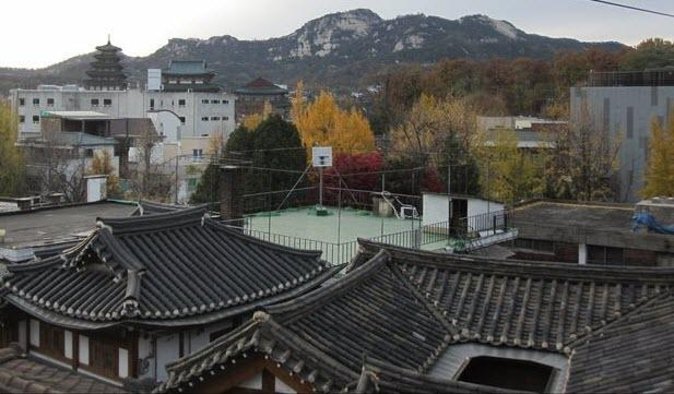
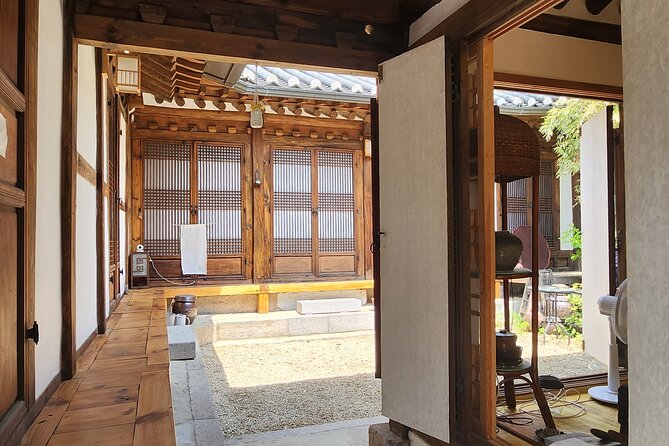
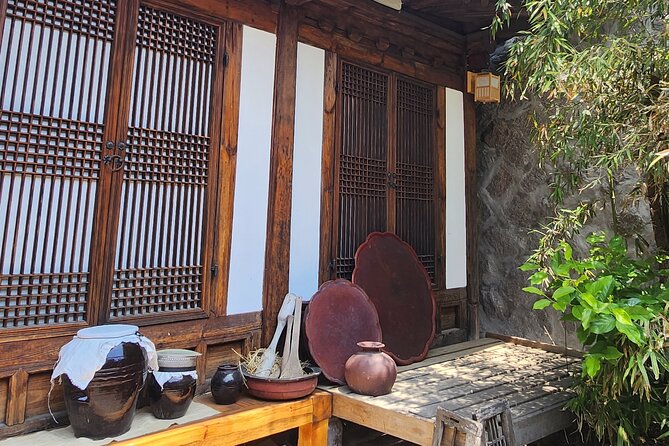
You meet at 165 Anguk-dong, Jongno District, Seoul, and from there the tour moves on foot. The early part is designed to get you into the right mood, in Bukchon Hanok Village, a neighborhood known for clusters of traditional hanok houses and small craft-oriented shops.
Expect a walking segment that includes time in Bukchon Hanok Village, then you connect to the brewmaster’s workshop area where the tasting lesson starts. The time allocation is tight, about 40 minutes at Bukchon, so I recommend treating this like a quick orientation walk rather than a long wander. Wear comfortable shoes, because you will be walking enough that you should not be planning to do it in uncomfortable sandals.
One practical note that shows up in real-world experience in this area: if you are not familiar with the streets, the meeting point can take a little extra searching. The tour still feels well organized once you are there, but arriving early is your best move so you do not start the night stressed.
Inside the brewmaster workshop, where soju-making becomes a story you can taste
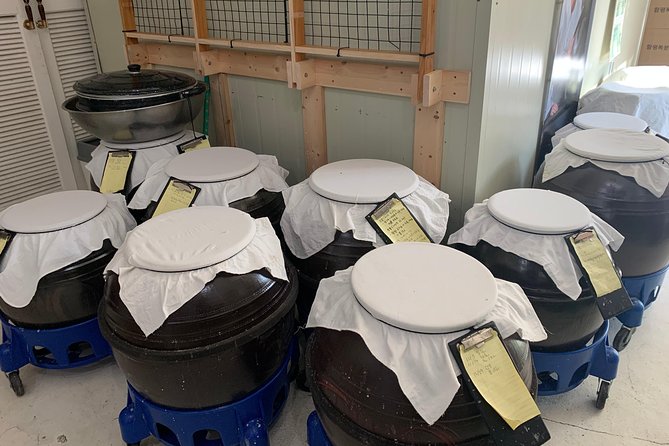
This is the core event: you meet a master brewmaster and distiller, a 10th-generation artisan. The tour describes him as a family-recipe user and connects him to Seoul’s Human National Treasure designation. In other words, you are not just visiting a workplace, you are meeting someone with deep continuity behind the craft.
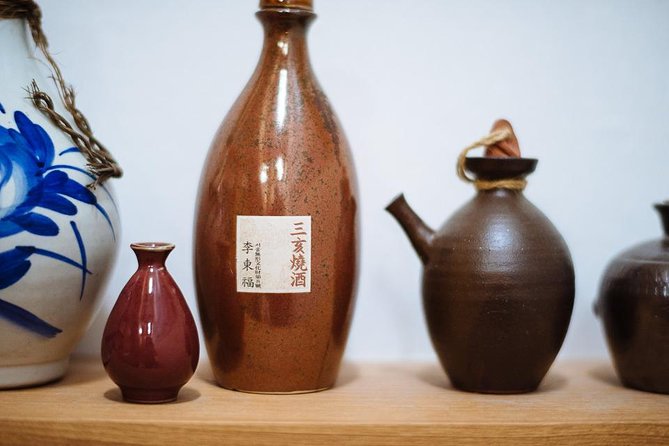
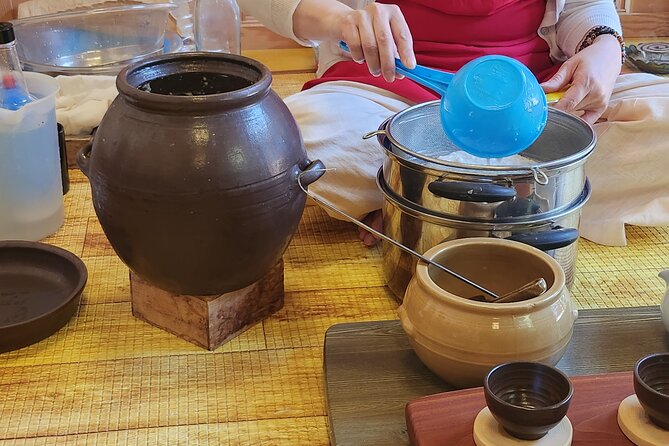
In the workshop, the tone is practical and conversational. Guides are there to translate and keep things moving, but the center of gravity is the brewmaster explaining the process. You should expect explanations about the traditional workflow from rice into fermented alcohol, plus the distinctions between makgeolli, yakju, and soju.
If you are the type who likes details, this part is satisfying. Some groups have even reported that a batch might be in progress during the tasting time, which adds that extra sense of, this is happening right now. You also might encounter seasonal or experimental pours. For example, one group mentioned seeing grape yakju and mushroom-infused soju as part of what they tasted, with flavors changing by season.
The tasting itself: what you learn from each sip of makgeolli, yakju, and soju
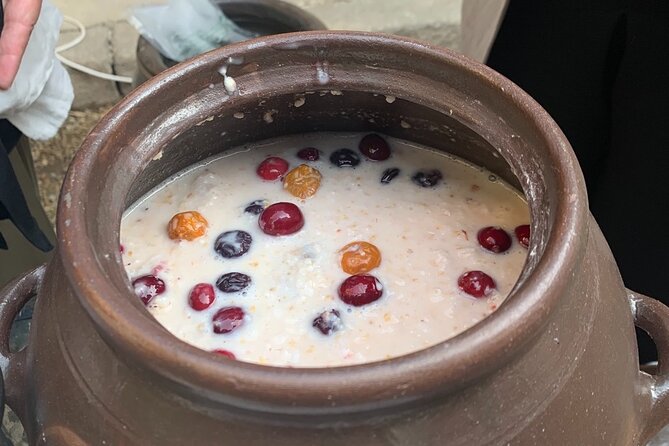
The tasting portion is built around three big ideas: what each drink is, how the process creates different flavor profiles, and how alcohol level differs across styles. Even if you are not a brewing nerd, you will pick up the basics quickly because the guide ties the explanation to your actual cups.
Here is what I think you should mentally “listen for” as you taste:
More drinking routes in Seoul
- Drinking and Eating through the Alleys of Seoul
★ 5.0 · 364 reviews - Seoul: Anthony Bourdain-Inspired BBQ and Pub Experience
★ 5.0 · 186 reviews - Korean Drinking Games Night (non-drinkers are also welcome)
★ 5.0 · 125 reviews - Seoul: Korean Drinking Games Night (non-drinkers welcome)
★ 4.9 · 122 reviews - The Seoul Pub Crawl [official]
★ 4.5 · 117 reviews
Makgeolli
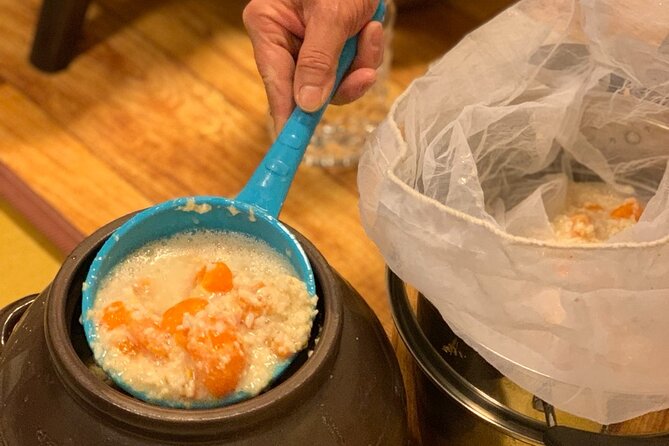
Makgeolli is the drink most people recognize as the traditional Korean rice wine that can taste slightly milky or creamy, with a softer sweetness and fermented character. In this tour, you are tasting it in a context that explains why it ends up that way. You will also hear how makgeolli fits into Korean drinking culture, not just how it is produced.
Yakju
Yakju comes across more like the wine-style rice alcohol category. One of the nice surprises from the experiences shared by past participants is that yakju can vary, including fruitier variations like grape-like styles. Even if you do not get that exact version, you will likely taste a yakju that shows why it often feels smoother or more “wine-like” compared to makgeolli.
Artisan soju
Soju is the one almost everyone has heard of, but the tour’s framing helps you see it differently. You are tasting artisan soju, with explanations that connect distillation process to final character, and you are learning how it differs from fermented rice alcohols. In one account, mushroom-infused soju was described as more earthy, like a whiskey vibe, which gives you a clue for the range you might encounter.
A useful way to approach the tasting is to treat it like a guided flight. Sip, listen, compare. When the guide talks about production methods and alcohol content, you can match that to the way the drinks feel on your palate.
Also, you might taste more than exactly three types in practice. One group described tasting four different alcohols during their experience, so if you see extra pours that day, it is likely part of how the workshop shares variety.
Bukchon to Insadong: why the walk between tastings matters
After the workshop, you are not dropped back into a main street and sent off on your own. You walk toward Insadong, which is connected to Bukchon. This in-between time matters because it gives you a buffer after the first rounds of tasting and helps you absorb the setting.
Insadong is the kind of area where you can see traditional craft shop energy and old-meets-new neighborhood life. The tour includes about an hour of walking here, and the guide typically uses that time to add context about food and local culinary history tied to what you are about to eat.
Practically, this is also when you can slow down and pace yourself. If you are sensitive to alcohol, you will want to eat the dinner calmly instead of rushing. The walking helps, but it also means you should keep hydration in mind.
The dinner: doenjang jjigae, jeon, bossam, and a lot of makgeolli
The dinner stop is on a side street restaurant, and this is where the tour earns its keep. You sit down for a hearty spread that includes Korean classics, with makgeolli served alongside.
From the dishes specifically named, you can expect items like:
- doenjang jjigae (soybean paste stew)
- jeon (Korean pancakes)
- bossam (boiled pork belly)
- assorted side dishes
One part of the meal description also mentions over 15 different dishes, so you should expect plenty of variety at the table. This is not a single-course dinner where you barely sample. It is a proper Korean meal format, and that variety helps you connect with the guide’s explanations about food and drink matching.
A balanced reality check: you might encounter seafood-forward dishes or flavors that are not your usual. One past experience described that some dishes were not fully to their taste, but the overall meal was still interesting. In other words, if you like trying new Korean flavors, you will likely have a great time. If you are very picky, you may still enjoy the experience, but you should be ready for some new tastes.
The biggest point is that the makgeolli does not end after the tasting. It continues with dinner, including premium makgeolli per the included details. That lets you taste the alcohol with food, where fermentation notes can work really well with savory stew and pork.
Price and time: is $150 good value for this Seoul experience?
At $150 per person, the value question comes down to what you get for that price, not just how long it lasts. This is about a 2.5-hour evening experience, so you are not paying for a full day. Instead, you are paying for three major things:
1) A workshop setting with a 10th-generation brewmaster, plus tastings of multiple traditional alcohols
2) Guide-led explanations about history and process, including differences in alcohol content
3) A full Korean dinner with multiple dishes and more makgeolli, not just small bites
In many cities, a tasting event might give you a few small pours and a snack. Here, the meal component is substantial, and the alcohol component is central, not just an add-on. Also, the group size stays small (max 12), which can make the learning feel more personal.
One more value detail: alcohol beverages are included, and the dinner is described as upscale local food at the brewery restaurant with premium makgeolli. That reduces the “hidden spending” factor, because you are not guessing how much you will need to pay extra for drinks.
If you are the kind of traveler who wants one strong evening of food, alcohol, and local context, this price can make sense. If you are only mildly interested in rice alcohols, you might find the drinking portion more significant than you expected.
Who should book this tour, and who might want a different plan
This tour fits best if you want a true food-and-drink learning experience in Seoul with a small group.
You will likely enjoy it if you:
- want to taste makgeolli, yakju, and artisan soju in a workshop context
- like guided food evenings where the meal has a story
- prefer small groups and conversation over a big bus crowd
- are comfortable walking and eating dinner in a local restaurant setting
You might want to think twice if:
- you are traveling with anyone under 21, since the minimum age is 21
- you are extremely sensitive to alcohol or dislike fermented or rice-based drinks
- you want a long, independent sightseeing day instead of a structured tasting-and-dinner evening
Also, if you are a solo traveler, note the minimum of 2 people per booking. Solo travelers can contact the provider individually, so you will need to make that plan early.
Should you book the Korean Brewery tour in Seoul?
If you are looking for a Seoul night that feels authentic and food-centered, I’d say yes, book it, with one condition: arrive early enough to find the meeting point without stress.
I especially recommend it for travelers who enjoy learning through tasting, not just sampling. Meeting the brewmaster and watching the workshop process creates a different kind of understanding than a standard tasting room. Then the dinner in Insadong turns what could be an alcohol-focused outing into a full Korean meal experience, with stews, pancakes, pork belly, and a table full of sides.
If you are on the fence, use this quick rule. If you genuinely want to try more than one Korean rice alcohol and pair it with a real dinner, this is a strong pick.
FAQ
What alcohols are included in the tasting?
You’ll taste makgeolli, yakju, and artisan soju as part of the guided experience.
How long is the tour, and where does it start and end?
The tour runs about 2 hours 30 minutes. It starts at 165 Anguk-dong in Jongno District and ends back at the original meeting point.
How big are the groups?
The maximum is 12 people per booking, creating a small-group setting.
Is the tour limited to adults?
Yes, the minimum age is 21.
What’s included with the dinner?
The dinner includes a hearty Korean meal with dishes such as doenjang jjigae, jeon, and bossam, along with side dishes, and it is accompanied by more makgeolli.
What is the cancellation policy?
Free cancellation is available up to 24 hours in advance for a full refund. If you cancel less than 24 hours before the start time, the amount paid is not refunded.
Drinking Routes in Seoul
More Seoul Write-Ups
Poured in Seoul, a Few More

Fresh on the Seoul pile
- Unique Native Experience : Han River Picnic, Board game, BBQ★ 5.0 · 3 reviews
- 2-Hour Private Kayaking and Paddleboarding Experience in Hanriver★ 5.0 · 3 reviews
- Korean Folk Village & Suwon Hwaseong Fortress Private Tour★ 5.0 · 3 reviews
- Seoul Korean BBQ Dinner Experience with Secret Food Tours★ 5.0 · 3 reviews
- Seoul Highlights & Hidden Gems – Private Tour with Photo Service★ 5.0 · 3 reviews
- Night Food Tour in Seoul with Traditional and Modern Cuisine★ 5.0 · 3 reviews
Makgeolli, Soju & Korean Nightlife you might have missed.
 ★ 4.7Seoul: Pub CrawlFrom $25903 reviews
 ★ 5.0The Seoul Pub Crawl OfficialFrom $21838 reviews
 ★ 5.0Soju Tasting at Distillery – story of 3 pigsFrom $43166 reviews
 ★ 4.6Busan: Pub Crawl with FriendsFrom $22147 reviews
 ★ 5.0Seoul Pub Crawl by AbsoluteFrom $20141 reviews
 ★ 5.0Korean Drinking Games Night (non-drinkers are also welcome)From $40125 reviews
 ★ 4.9Seoul: Korean Drinking Games Night (non-drinkers welcome)From $39122 reviews
★ 4.5The Seoul Pub Crawl [official]From $24117 reviews
★ 4.9Seoul: Korean Drinking Games Night (non-drinkers welcome)From $39122 reviews
★ 4.5The Seoul Pub Crawl [official]From $24117 reviews
Where this tour also appears