
REVIEW · KOREA
Handmade Noodles with Korean Grandma
Korean comfort food meets tight guidance. This small-group tasting tour centers on handmade noodles around Mangwon Market in Seoul, with stories and pairings you can follow meal by meal. I love that your $68 ticket covers all food and drinks, including alcohol, so you can focus on eating instead of adding up receipts.
I also like the limit of 8 travelers, which keeps the vibe relaxed and makes it easier to ask questions as you go. One consideration: this experience is concentrated in Mapo-gu around Mangwon Market, so it is not a wide-ranging see-everything tour of Seoul.
In This Review
- Key highlights that matter
- Handmade Noodles, Korean BBQ, and the Pairings You Can Taste
- Mapo-gu and Mangwon Market: Why This Neighborhood Choice Works
- The “Small Group” Advantage, in Plain Terms
- Stop 1 in Mapo-gu: What to Expect From the Main Tasting Block
- Price and Value: What $68 Includes (and Why It Matters)
- Timing and Group Energy for a 2.5 Hour Plan
- Where You Start: Tojeong-ro Meet-Up and Mobile Ticket
- What People Seem to Love Most, and What That Signals for You
- Who This Tour Fits Best (and Who Might Skip)
- Should You Book Handmade Noodles with Korean Grandma?
- FAQ
- How much does Handmade Noodles with Korean Grandma cost?
- How long is the tour?
- Where does the tour start?
- What is the group size?
- Are food and drinks included?
- Does the tour include alcohol?
- Is there a mobile ticket?
- What is the cancellation policy?
Key highlights that matter
- Handmade noodles focus in the Mapo-gu Mangwon Market area
- Alcohol included with classic pairings like soju, makgeolli, and beer
- Korean comfort food lineup featuring Korean BBQ, jeon, and chicken
- Small group cap of 8 for a more personal pacing
- Mobile ticket for simpler start-of-tour logistics
Torn between options? The Seoul trips below held up best on our read.

Handmade Noodles, Korean BBQ, and the Pairings You Can Taste
This is a food tour built around a simple goal: help you eat like a local, without needing insider knowledge. The menu is compact but intentional, with bites you can connect to Korean drinking and everyday meal rhythm.
You will start with handmade noodles as the anchor. Noodles matter in Korea because they are not just a filler, they are comfort food with texture, body, and a way to slow your pace. Expect the kind of noodle experience that makes you notice details, like chew, thickness, and how sauces cling.
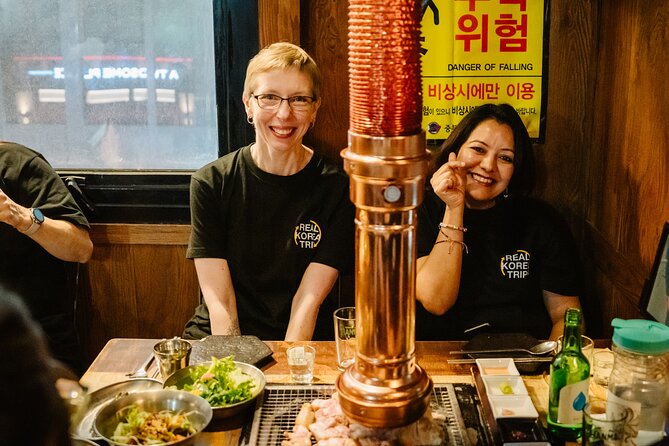
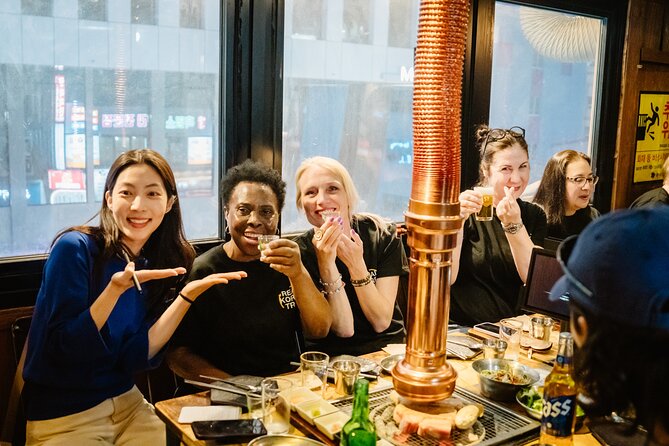
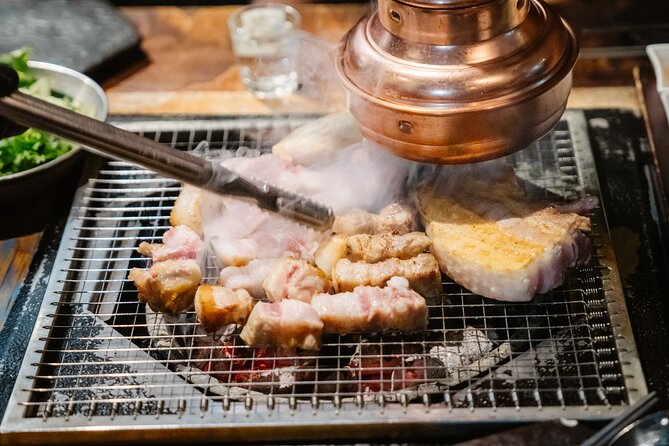
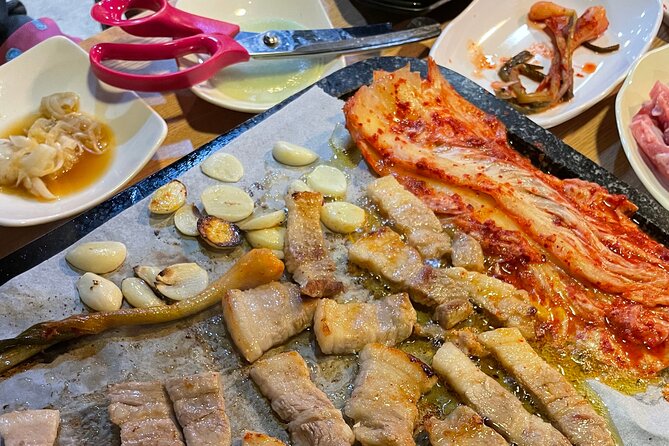
Then the tour moves through Korean classics and their go-to drink matches. Korean BBQ paired with soju is one of the featured combos, and that is a smart pairing choice. Soju is bold but clean, and it tends to reset your palate between salty, smoky bites. If you usually drink with meals only in a vague way, this gives you a clearer reason why it works.
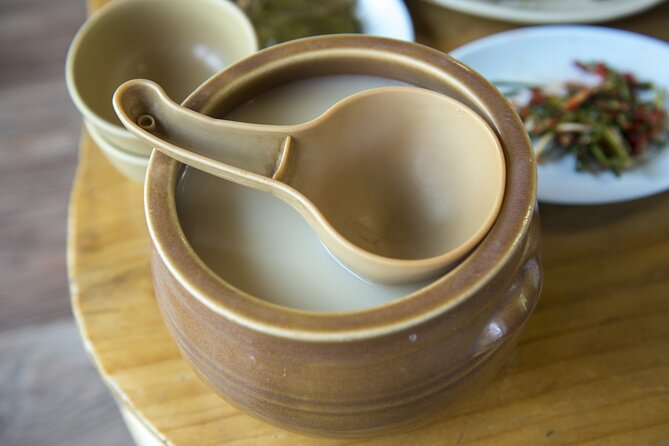
Jeon pancakes with makgeolli rice wine are another highlight. Jeon has that crisp edge and soft center, and makgeolli brings a milky, lightly sweet tang that plays well against fried textures. This is the kind of pairing that makes you understand Korean meals as an actual system, not just random snacks.
Chicken, soju, and beer rounds out the lineup. This section is useful if you are the type who wants variety without losing the plot. Beer can bring a different kind of lift than soju, so you can compare how your taste changes as you move from one drink style to another.
Mapo-gu and Mangwon Market: Why This Neighborhood Choice Works
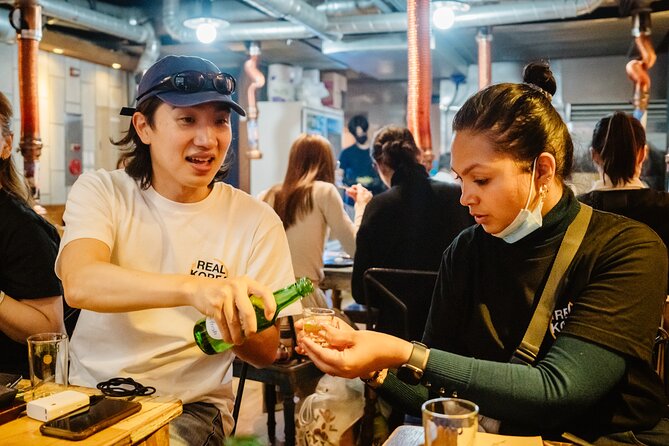
Mapo-gu is a good pick for a first-time food plan because it gives you a local feel without feeling like you have to sprint across the city. The tour’s main action happens near Mangwon Market, which helps you keep logistics simple: you are not constantly relocating, and you are not spending your full 2 hours 30 minutes in transit.
Mangwon-area food culture also tends to reward curiosity. When you are dropped near a market zone, you get the everyday rhythm of people eating, running errands, and popping into places for a meal. That matters because this tour is about traditions and food context, not a staged performance.
The downside to this neighborhood focus is also real. If your dream day in Seoul is “different district, different vibe” every hour, this may feel concentrated. But if you want to understand one slice of the city deeply, this approach is practical.
The “Small Group” Advantage, in Plain Terms
This tour caps at 8 travelers, which is the sweet spot for a food outing. Big groups can turn tasting into a conveyor belt, where you eat fast, take notes later, and never quite catch the explanation. Here, the small size makes it easier to follow along when the guide is connecting dishes to tradition and pairing choices.
It also changes your comfort level. With fewer people, you can ask simple questions like how to order, what to expect from the flavor profile, or how to pace the alcohol pairings. You spend less time scanning the group and more time paying attention to food.
There is another practical benefit: shorter wait times between bites. Not every tour is slow, but many are slow from the group-management side. A smaller group usually keeps the flow smoother, especially when alcohol is involved and pacing matters.
Stop 1 in Mapo-gu: What to Expect From the Main Tasting Block
The itinerary lists a single main stop in Mapo-gu, centered near Mangwon Market. Think of the “stop” as a tasting block rather than a long checklist across multiple neighborhoods. You will likely move through local eateries in the area and sample the featured dishes and drinks.
This structure is good for focus. Instead of bouncing from one food type to another with no connection, you get a tighter sequence: noodles first, then Korean BBQ with soju, then jeon with makgeolli, then chicken with soju and beer. That order helps you compare flavors as you go.
It also helps your body. If you are worried about food overload, a single concentrated tasting area can be easier to manage than a full-day, multi-stop marathon. You can also pace your alcohol tastings because your environment stays consistent.
Potential drawback: because the tour is concentrated, you might not see as wide a slice of Seoul street food culture as you would on a route that covers many districts. If you want variety in scenery, not just in dishes, keep that in mind.
- Best DMZ Tour Korea from Seoul (Red Suspension Bridge Optional)
★ 5.0 · 41,422 reviews - DMZ Tour: 3rd Tunnel, Option(Suspension Bridge, Boat) from Seoul
★ 5.0 · 21,373 reviews - DMZ tour south Korea from Seoul (NK experience hall, defector)
★ 5.0 · 20,599 reviews - Seoul: DMZ Tour with Optional Suspension Bridge
★ 4.8 · 5,277 reviews - Signature DMZ Tour: Exclusive Defector Talk & Suspension Bridge
★ 5.0 · 4,459 reviews
Price and Value: What $68 Includes (and Why It Matters)
At $68 per person, this is not a budget-only activity. But the math shifts when you look at what is included. Your ticket covers all food and drinks, including alcohol, and the lineup includes multiple distinct dishes and beverages. For many food tours, you pay extra for drinks, upgrades, or the “real meal” part. Here, you are not doing that.
This is the kind of pricing that makes sense if you plan to eat anyway and want the structure. You are paying for guided selection, pairing choices, and a small-group format that keeps you from guessing. If you simply want noodles and BBQ, you could do it on your own, sure. But you would still need to figure out where to go, what to order, and how to pair without turning dinner into homework.
Also consider the convenience. The tour ends back at the meeting point, which reduces the risk of finishing in a place that is annoying to get back from. Combine that with the fact it is near public transportation, and the overall cost starts to look more reasonable.
My take: this is best value for people who want the meal plan handed to them. If you love browsing menus alone and you do not care about guided pairings, you might prefer to freestyle.
Timing and Group Energy for a 2.5 Hour Plan
The tour runs about 2 hours 30 minutes. That is a practical length for a food experience. You get enough time to eat multiple courses and drink pairings without feeling like the day disappears.
This duration also works well for first-time visitors. You can fit it into a longer Seoul stay without sacrificing your entire evening. It is also long enough to learn, in a real way, how the dishes connect through pairing and tradition.
Group size and timing together are the key. With a maximum of 8 travelers, the tour should feel like a conversation around food rather than a rushed event. You can usually keep up better when the pacing is human.
If you are sensitive to alcohol or you have never tried soju, you can still enjoy the experience. Just remember it includes alcohol, so I recommend planning transport carefully and going slow with tastings rather than treating them like shots.
Where You Start: Tojeong-ro Meet-Up and Mobile Ticket
You meet at Common Area 53-9 Tojeong-ro, Mapo-gu, Seoul, South Korea. The tour uses a mobile ticket, which is helpful because you do not need to hunt for printed vouchers.
Since it is near public transportation, I suggest arriving with a little buffer. Even though the meeting point is fixed, food tours often start with quick instructions and a short orientation so everyone understands the plan.
This meet-up design is straightforward. You return to the meeting point at the end, so you are not trying to navigate Seoul while full and slightly happy from Korean BBQ and soju.
What People Seem to Love Most, and What That Signals for You
The rating is 5 out of 5 with a recommendation rate of 100%. That kind of consistency usually means the experience is not just about eating, it is about getting the whole food flow right.
The strongest praise focuses on the overall food experience, especially the “Korean food kitchen experience” feeling. In practice, that suggests the tour does not feel generic. It likely focuses on real dishes, proper pacing, and explanations you can connect to what is on your table.
So if you are on the fence, the takeaway is simple: this is the kind of tour you pick when your priority is food quality and guidance, not big sightseeing.
Who This Tour Fits Best (and Who Might Skip)
This tour is a great match if you are:
- A first-time visitor who wants a Seoul food plan that makes sense
- A foodie who likes trying Korean staples with drink pairings
- Someone who prefers a small group for comfort and better interaction
- A drink-included eater who wants to try soju, makgeolli, and beer without paying separately
You might skip it if:
- You are trying to keep costs very low and alcohol inclusion does not match your plan
- You want a multi-district “see Seoul” route, not one neighborhood focus
- You do not enjoy structured tasting formats and want to freestyle completely
Should You Book Handmade Noodles with Korean Grandma?
If your goal is a focused, guided Korean meal in Seoul with clear pairing logic and no extra spending surprises, I think this is a strong yes. The small group of 8, the included food and drinks, and the consistent 5-star feedback all point to an experience that delivers on taste and comfort.
Book it if you want to leave Seoul with better food instincts. You will understand why Korean BBQ comes with soju, why jeon pairs with makgeolli, and how chicken fits into the drink rhythm too. That is the kind of takeaway that makes future restaurant choices easier.
Skip it if you want a broad sightseeing day or if alcohol inclusion is a mismatch for your style. Otherwise, it is a smart bet for a couple hours plus, centered on one of Seoul’s very doable local food zones.
FAQ
How much does Handmade Noodles with Korean Grandma cost?
It costs $68.00 per person.
How long is the tour?
The duration is approximately 2 hours 30 minutes.
Where does the tour start?
The meeting point is Common Area 53-9 Tojeong-ro, Mapo-gu, Seoul, South Korea.
What is the group size?
The tour has a maximum of 8 travelers.
Are food and drinks included?
Yes. All food and drinks are included.
Does the tour include alcohol?
Yes. The tour includes alcohol, and the tasting pairings feature drinks such as soju, makgeolli rice wine, and beer.
Is there a mobile ticket?
Yes, the tour features a mobile ticket.
What is the cancellation policy?
Free cancellation is available. You can cancel up to 24 hours in advance for a full refund. If you cancel less than 24 hours before the start time, the amount paid is not refunded.
More Seoul Write-Ups

Fresh on the Seoul pile
- Unique Native Experience : Han River Picnic, Board game, BBQ★ 5.0 · 3 reviews
- 2-Hour Private Kayaking and Paddleboarding Experience in Hanriver★ 5.0 · 3 reviews
- Korean Folk Village & Suwon Hwaseong Fortress Private Tour★ 5.0 · 3 reviews
- Seoul Korean BBQ Dinner Experience with Secret Food Tours★ 5.0 · 3 reviews
- Seoul Highlights & Hidden Gems – Private Tour with Photo Service★ 5.0 · 3 reviews
- Night Food Tour in Seoul with Traditional and Modern Cuisine★ 5.0 · 3 reviews