
REVIEW · BUKCHON HANOK VILLAGE & INSADONG
Gwangjang market Netflix Food Walking Tour with Insadong
A walk in Seoul, powered by snacks and stories. You’ll move through Insa-dong Culture Avenue and the nearby Ikseon-dong alley lanes, then end in Gwangjang Market for street food that locals know well. The focus is on how these neighborhoods work, changed over time, and why the food fits right into the culture.
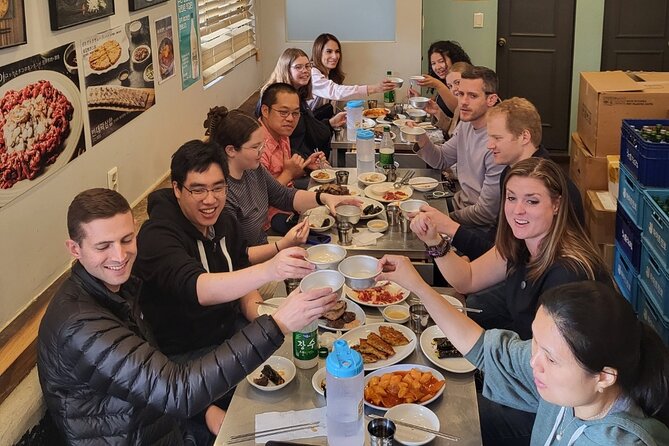
What I like most is the balance of art-and-alleys plus eating. You also get a small group and a real guide, and one especially praised guide was Alan Han, for taking his time and answering questions. The food part is solid value too, with 3-5 street-food tastings plus dessert and Korean rice wine.
One thing to plan for: this tour depends on good weather. If it rains hard, you may still enjoy it, but the experience can get soggy and you’ll want to dress accordingly.
In This Review
- Key Highlights You Should Know
- Start at Anguk Station, Then Settle Into Insa-dong Culture Avenue
- Ikseon-dong Alley Lanes: Where Old Hanok Forms Meet Trendy Cafes
- Gwangjang Market: Street Food and Textiles Since 1905
- What’s Included, and How to Think About Value
- Timing, Weather, and Walking Comfort for a 3 PM Start
- Small Group with a Patient Guide: What That Means for You
- Who Should Book This Insa-dong and Gwangjang Market Food Tour?
- Should You Book This Gwangjang Market and Insa-dong Tour?
- FAQ
- How long is the tour?
- Where does the tour start and end?
- What is the price per person?
- What food and drinks are included?
- What time does the tour begin?
- How big is the group?
- Is the tour dependent on weather?
Key Highlights You Should Know
- Insa-dong Culture Avenue for hands-on culture, from tea houses to art and craft shops
- Ikseon-dong alley lanes where old hanok-style spaces sit next to modern cafes
- Gwangjang Market built on tradition since the early 1900s, with food and textiles together
- English guidance that slows down to your pace, with time for questions
- Included tastings like mung-bean pancake, fish-cake, honey dessert, and Korean rice wine
- Small group size (max 10) for a more conversational walk
Other lanes worth walking in Seoul
Start at Anguk Station, Then Settle Into Insa-dong Culture Avenue
This is a 3-hour, afternoon-style walk that starts at Anguk Station and finishes at Gwangjang Market. The timing matters. A late afternoon start gives you enough daylight to read shopfronts and alley details, but it also sets you up for market food when things feel lively.
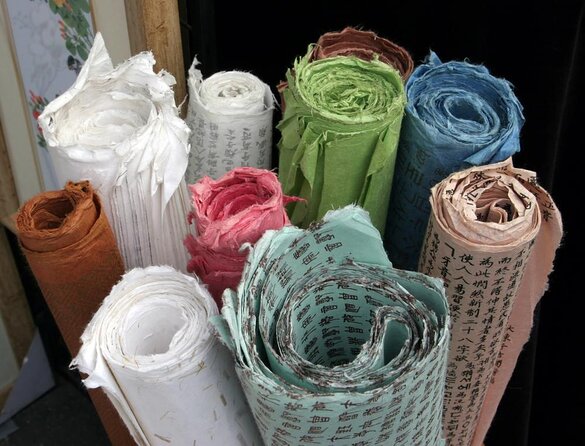
Once you get going, Insa-dong is the first “read the neighborhood” lesson. You’re not just passing storefronts. The area is known for traditional Korean architecture, art galleries, handicraft shops, and tea houses, so the guide can point out what you’re actually seeing. For example, look for the kind of items that are made to be kept, used, and gifted: pottery, calligraphy brush styles, and Korean paper products. Even if you do not buy, it helps you understand why Insa-dong feels like a culture shopping street, not a random tourist strip.
Practical tip: wear shoes you can walk in for a full 90 minutes here. Insa-dong’s streets are walkable, but you’ll likely do plenty of short turns, stop-and-go moments for photos and stories, and browsing without feeling rushed. If you’re the type who likes to ask questions, this part rewards you. The tour is designed for discussion, not a silent march.
Ikseon-dong Alley Lanes: Where Old Hanok Forms Meet Trendy Cafes
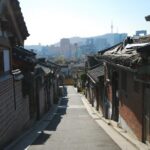
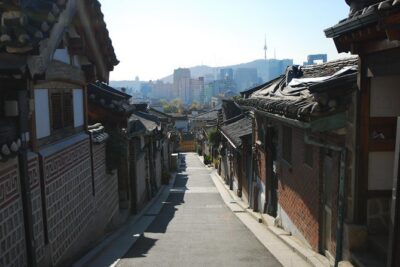
After Insa-dong, the route shifts into Ikseon-dong Alley, the area known for narrow lanes and a mix of older and newer Seoul. Think hanok-style traditional houses in close quarters, with modern cafe life pulled into the same street grid. This contrast is the whole point of the stop.
When a guide talks about Ikseon-dong, it’s usually about more than what is there today. You’ll hear the story of how the neighborhood came back into the spotlight and why it became a cultural hangout. That context changes how you notice details. A small alley bend stops being just a photo op and becomes a clue to how the neighborhood re-invented itself without losing its shape.
The review notes people enjoyed how the guide explained history at a comfortable pace, and that matters here. If you want to understand why certain streets look the way they do, you need time to look, not just pass by. Ikseon-dong gives you that.
Practical tip: If you’re sensitive to crowds, go slow on the alley turns. Narrow lanes can get busy, and you’ll enjoy the atmosphere more if you move like you’re window-shopping, not trying to “beat” the flow.
Gwangjang Market: Street Food and Textiles Since 1905
Then you arrive at Gwangjang Market, one of Seoul’s oldest and largest markets, operating since 1905. This part is your food payoff, but it is also cultural context. Gwangjang Market is famous for both traditional foods and textiles, so it feels like a living marketplace, not a theme park.
The guide ties the experience to how people ate and lived through different eras. One of the most interesting ideas you’ll hear is the “1990s Korean local life” connection. Even if you were not there, it makes the market easier to understand. A dish is not just a dish. It connects to daily habits, street-side routines, and the kind of foods that became classics because they are shareable, filling, and easy to find.
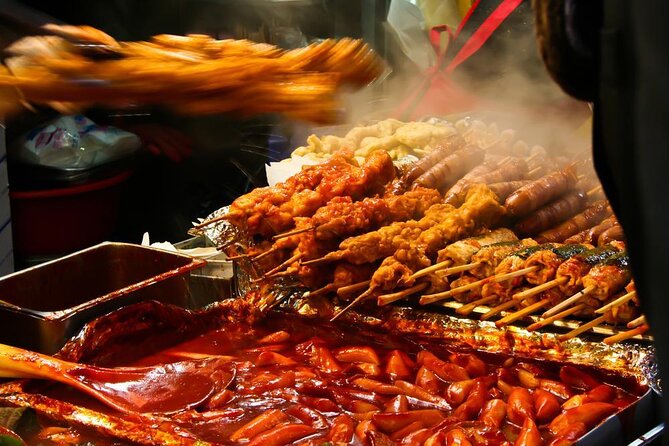
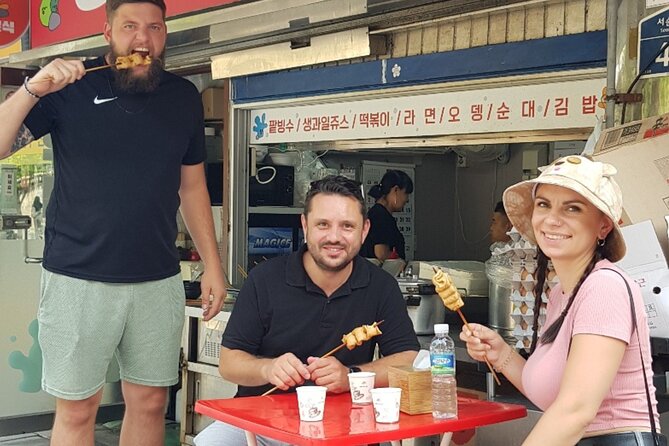
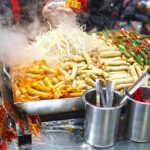
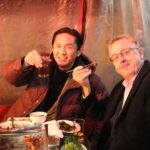
Your included tasting menu is where you stop thinking and start eating. You’ll have fish-cake and a mung-bean pancake (often called bindaetteok), plus a honey dessert. You’ll also get Korean rice wine as part of the experience. And beyond those named items, the tour includes 3-5 street-food tastings total, so you’re not walking into the market only to buy one thing and leave.
What I like about this setup is how it reduces decision fatigue. Markets can overwhelm you fast: too many stalls, too many menus, and not much time. Here, you get a guided shortlist that fits the neighborhood and the tour’s theme.
Practical tip: If you’re planning to keep exploring after the tour ends, go easy on big extra purchases during the walk. The included food is enough to fill you up, and you may want stomach space for your next Seoul stop.
What’s Included, and How to Think About Value
At $48.60 per person for about 3 hours, the big question is value. The answer is yes, especially if you care about more than just food. You’re paying for a professional English-speaking guide, a small group (max 10), and a planned series of tastings. When you compare it to buying items one by one without guidance, the price starts to look fair, and the history bits make it feel like more than eating.
Here’s what is included:
- 3-5 street-food tastings
- Mung-bean pancake
- Fish-cake
- Honey dessert
- Korean rice wine
That mix is smart because it covers textures and categories. The pancake gives you something savory and pan-like, the fish-cake is street snack comfort, the honey dessert resets your palate, and the rice wine adds a traditional drink angle. If alcohol is not your thing, you can still decide how you want to handle it on the day, but it is part of the structured experience.
One consideration: you are not paying for everything in your own pace. Other personal purchases are not included, so if you see a textile, snack, or tea item you love, plan on spending extra. The tour’s job is to get you oriented and fed, not to stop you from wanting more.
Also, a mobile ticket is included, so you’ll likely just show the ticket on your phone at the start. That’s a small thing, but it cuts down friction when you’re already navigating subway exits and street signs.
One more stop for food in Seoul
- Seoul Street Food Market Tour
★ 5.0 · 1,226 reviews - Seoul: Night Market Food Tour with Local Guide
★ 4.9 · 943 reviews - Small-Group Night Food Tour in Seoul with Korean BBQ
★ 5.0 · 304 reviews - Seoul Night Palace & Market Food Tour with Vehicle
★ 5.0 · 275 reviews - Seoul Fun Food Tour: 12 different food tastings
★ 5.0 · 266 reviews
Timing, Weather, and Walking Comfort for a 3 PM Start
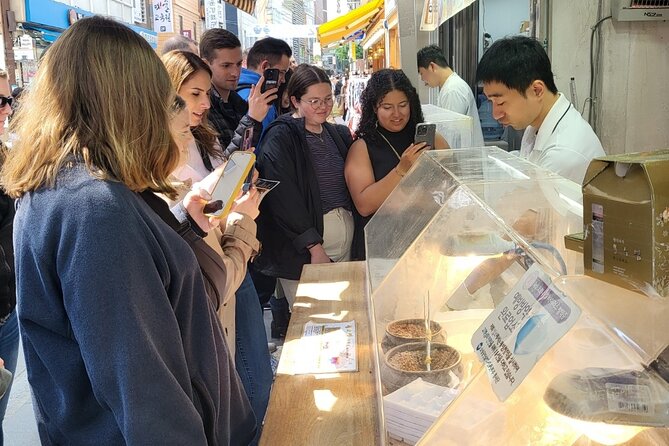
This tour starts at 3:00 pm and runs around 3 hours. I like this timing because you can see daylight in Insa-dong and Ikseon-dong, then shift naturally into the market atmosphere. By evening, stalls and snack energy can feel stronger, and you’re already there with a guide who knows where to go.
Weather is the real swing factor. The experience requires good weather, but if it is canceled due to poor conditions, you should be offered an alternative date or a full refund. Even when it is not canceled, you can still get stuck in rain. One note from experience shared by guests called out a hot day and another mentioned an unexpected rainstorm that made things soggy, yet the tour still worked because the guide kept things organized and explained history clearly.
What you can do to make it easier:
- Bring a small umbrella or a light rain layer if the forecast looks questionable.
- Wear breathable clothes if it is hot, and plan for a steady walking pace.
- Use sunscreen and stay hydrated, especially because you’ll stop often but also keep moving.
Because the route includes alleys and market floors, comfort matters. You’ll enjoy it more if your shoes are already broken in and you don’t have plans that require perfect feet afterward.
Small Group with a Patient Guide: What That Means for You
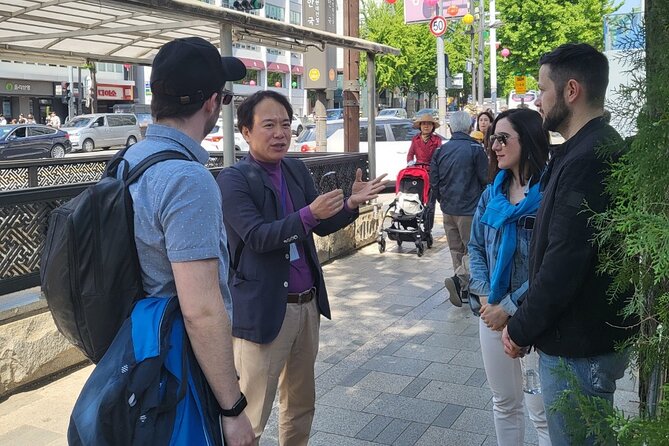
This tour caps at 10 travelers, and that changes the feel. You’re less likely to get lost in the shuffle, and the guide can actually answer questions without rushing you off.
A detail that came up in feedback: the guide was kind, personable, and patient, and he took time to explain the neighborhood history in a way that felt easy to follow. If you’ve ever been on a food tour where everyone eats quickly and the guide talks to the back of the group, you’ll appreciate the opposite here. The pacing helps you learn while you eat.
It also helps with practical decision-making. When you’re in Insa-dong, you might not know how to read the difference between art galleries, craft shops, and simple souvenir stands. In Ikseon-dong, you might not know why the lanes matter. At Gwangjang Market, you might not know what to order first. A small-group guide helps you avoid those guesswork moments.
If you like conversation, ask questions. If you want photos, bring your camera out during the stop points. The tour is set up for a back-and-forth style walk.
Who Should Book This Insa-dong and Gwangjang Market Food Tour?
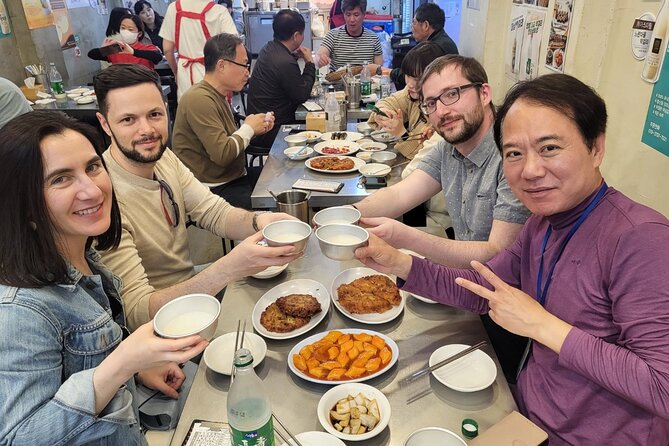
You’ll like this tour if:
- You want a guided intro to Seoul neighborhood culture plus street food
- You care about learning what you’re seeing, not just where to eat
- You prefer a small group and time for questions
- You want a planned tasting set so you don’t have to make dozens of food decisions
You might not love it if you:
- Only want to eat and would rather self-wander with no history talk
- Have very limited mobility or cannot handle lots of walking in alleys and market areas
- Are traveling with a strict dietary restriction, since included items are specific (fish-cake, mung-bean pancake, rice wine, honey dessert)
If you do have dietary concerns, check with the operator before booking. The tour data confirms what is included, so you’ll want clarity on swaps or alternatives if needed.
Should You Book This Gwangjang Market and Insa-dong Tour?
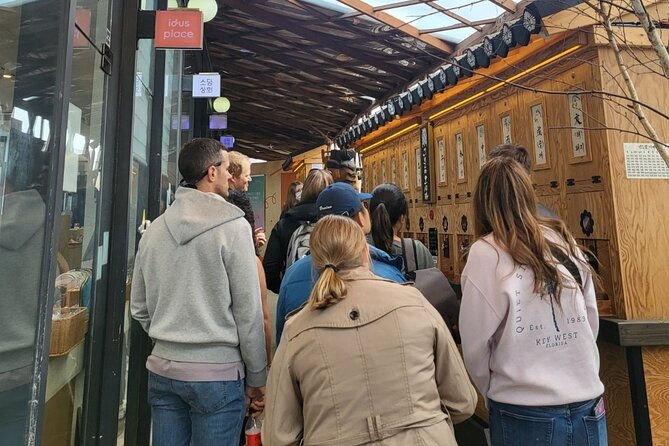
Yes, I think it’s a strong booking choice if you want Seoul that feels local and readable. For the price, you get structured tastings plus a guide who makes the neighborhood stories make sense. Insa-dong gives you culture-shopping streets and crafts to notice. Ikseon-dong adds the old-versus-new alley contrast. Gwangjang Market finishes with food that is tied to daily life, not just a checklist.
Book it if you’re visiting for the first time or you want to add depth to your Seoul food quest. Skip it only if you’re purely in snack mode and you do not care about the neighborhood context. Either way, plan comfortable shoes, and keep an eye on the weather so the walking part stays pleasant.
FAQ
How long is the tour?
The tour is about 3 hours.
Where does the tour start and end?
It starts at Anguk Station in Seoul and ends at Gwangjang Market (88 Changgyeonggung-ro, Jongno District, Seoul).
What is the price per person?
The price is $48.60 per person.
What food and drinks are included?
You get 3-5 kinds of street food tastings, plus honey dessert, fish-cake, mung-bean pancake, and Korean rice wine.
What time does the tour begin?
The start time listed is 3:00 pm.
How big is the group?
The tour has a maximum group size of 10 travelers.
Is the tour dependent on weather?
Yes, it requires good weather. If it is canceled due to poor weather, you’ll be offered a different date or a full refund.
More Seoul Write-Ups
Room For One More Plate in Seoul?
Keep Wandering the Hanok Lanes
Fresh on the Seoul pile
- Unique Native Experience : Han River Picnic, Board game, BBQ★ 5.0 · 3 reviews
- 2-Hour Private Kayaking and Paddleboarding Experience in Hanriver★ 5.0 · 3 reviews
- Korean Folk Village & Suwon Hwaseong Fortress Private Tour★ 5.0 · 3 reviews
- Seoul Korean BBQ Dinner Experience with Secret Food Tours★ 5.0 · 3 reviews
- Seoul Highlights & Hidden Gems – Private Tour with Photo Service★ 5.0 · 3 reviews
- Night Food Tour in Seoul with Traditional and Modern Cuisine★ 5.0 · 3 reviews
Bukchon Hanok Village & Insadong you might have missed.
 ★ 4.9Seoul: Gyeongbok Palace, Bukchon Village, and Gwangjang TourFrom $322,321 reviews
 ★ 5.0Best Seoul City Tour (Gyeongbokgung Palace,Insadong,Namsan Tower)From $581,647 reviews
★ 5.0Seoul: Gyeongbok Palace, Bukchon Village, and Gwangjang TourFrom $321,044 reviews
★ 5.0Best Seoul City Tour (Gyeongbokgung Palace,Insadong,Namsan Tower)From $581,647 reviews
★ 5.0Seoul: Gyeongbok Palace, Bukchon Village, and Gwangjang TourFrom $321,044 reviews
 ★ 4.7Seoul Highlights: Gyeongbok Palace, Insadong & N Seoul TowerFrom $26726 reviews
 ★ 4.0Korean Palace and Market Tour in Seoul Including Insadong and Gyeongbokgung PalaceFrom $89174 reviews
 ★ 4.8Seoul: Gyeongbok Palace and Bukchon Hanok Walking TourFrom $88157 reviews
 ★ 5.0Best Walking Tour to Gyeongbok Palace Bukchon Hanok VillageFrom $88138 reviews
 ★ 5.0Carve Your Personal Korean Stone Seal with Jeongju in InsadongFrom $42134 reviews