
REVIEW · INCHEON & GANGHWA ISLAND
Ganghwa Island – Full day private tour
Binoculars in South Korea feel surreal. This full-day private trip swaps Seoul for rural Ganghwa Island, with stops that connect Joseon-era fortifications to 19th-century clashes, then culminates at the Peace Observatory for a binocular look toward North Korea, just 2 km away. I especially like the private guide approach that puts each site into context, and I love the mix of temple, market, and coastal viewpoints; the one drawback is lunch is not included, so you will want a plan for food.
You start at 8:30 am with hotel pickup in Seoul, ride in an air-conditioned minivan, and return the same day. The pace is manageable, but you should have moderate physical fitness for walking around fortresses and temple grounds.
In This Review
- Key highlights you should care about
- Why Ganghwa Island Is a Quiet Side Trip From Seoul
- The private ride, 8-hour rhythm, and what that means for you
- Gwangseongbo Fortress: Why this “old defense” matters
- Jeondeungsa Temple: Buddhist calm with a conflict backdrop
- Ganghwa Seaside Resort and the luge option you can skip
- Ganghwa Pungmul Sijang market: souvenirs with actual function
- The Peace Observatory: binoculars, 2 km, and real-world perspective
- Yeonmijeong Pavilion: the view, the pause, and the second perspective
- Ganghwa Anglican Cathedral: Western footprints at the gateway to Seoul
- Optional extra time, no-lunch reality, and how the day stays manageable
- Price and value: what $220 buys you on Ganghwa Island
- Should you book this Ganghwa Island private tour?
- FAQ
- What time does the tour start?
- How long is the Ganghwa Island full day private tour?
- Is pickup included, and where does it operate?
- Is lunch included in the price?
- What is the tour price?
- What does the tour include for entry fees?
- Is this tour private?
- Is North Korea visible during the Peace Observatory stop?
- What is the cancellation policy?
Key highlights you should care about
- Binocular look toward North Korea at the Peace Observatory, with North Korea about 2 km away
- A private vehicle plus driver-guide, so the day can feel tailored instead of rushed
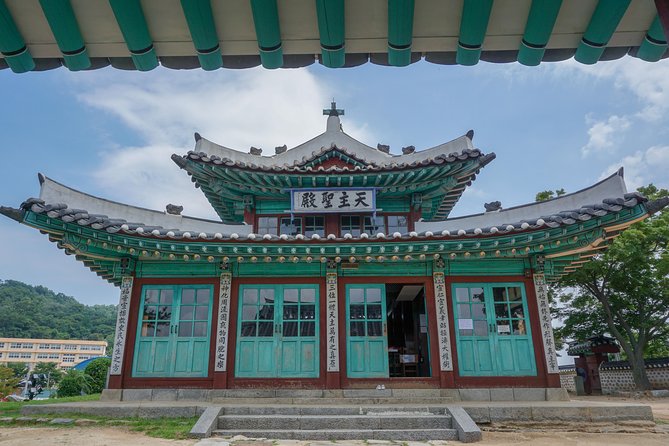
- Two fortress battle stories tied to the Joseon dynasty era, including the 1871 USA conflict and the 1866 France conflict
- Jeondeungsa Temple as a mountain stop that’s more than a photo break
- Ganghwa Pungmul Sijang market time, a simple way to taste the island’s local specialties
- Optional Ganghwa Seaside Resort with a luge ride if you want extra fun and don’t mind it costing extra
More coast and port days near Seoul



Why Ganghwa Island Is a Quiet Side Trip From Seoul
If Seoul is your base, Ganghwa Island is the kind of change of pace you feel immediately. The island sits close enough to do in a single day, but it still feels like another rhythm of life, with temples on hills, defensive walls on ridges, and small market stops that are practical, not staged.
What makes Ganghwa different from many day trips is the emotional punch of the viewpoints. At the Peace Observatory and Yeonmijeong Pavilion, you are not just looking at a distant place, you are looking at the near reality of how divided the peninsula is. It’s a rare combination of scenery plus perspective.
The private ride, 8-hour rhythm, and what that means for you
This is built as a private tour with hotel pickup and drop-off for people staying in Seoul. You ride in an air-conditioned minivan with a driver cum guide, plus bottled water, so you start the day comfortable and you avoid the common stress of transfers and timing.
A full day also means you should pace yourself. You have about 8 hours total, with multiple stops ranging from roughly 30 to 50 minutes each, so wear shoes you actually like walking in. If you get motion-sick, note that the route includes driving from Seoul to the island and between sites, so being prepared is smart.
Also, note the tour needs at least 2 people per booking. If you are traveling solo, you may need to join with another party or confirm how the operator handles single travelers.
Gwangseongbo Fortress: Why this “old defense” matters
Your first major stop is Gwangseongbo Fortress, a site tied to battles during the Joseon dynasty. The key detail here is the conflict involving the USA in 1871, and you can understand why Ganghwa Island mattered so much as a defensive outpost.
Fortress stops can turn into “stand and read a sign” traps on some tours. Here, the value is the way you connect geography to events. When you see defensive positioning, you start to grasp what it meant to protect a route toward Seoul, not just a random hill on an island.
This stop runs about 30 minutes and includes an admission ticket. If you are the type who likes to look, pause, and take photos without rushing, plan a little extra time inside your own head. If you rush, you will miss how the view and the fortifications work together.
Jeondeungsa Temple: Buddhist calm with a conflict backdrop
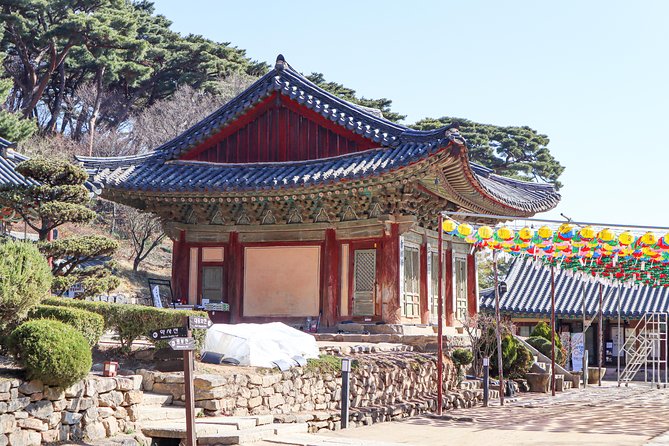
Next comes Jeondeungsa Temple, set in a mountain area tied to Samrangseong Fortress battle history. It’s connected to a clash involving France in 1866, which adds a layer beyond the usual temple visit.
I like this stop because it shifts your attention. At a fortress you focus on strategy and survival, at a temple you shift toward belief, routine, and how people found meaning in hard times. Even if you only understand a portion of Korean Buddhist culture from what your guide explains, you can still notice how the space encourages quiet.
This stop is around 40 minutes and includes admission. The mountain setting means you might want a light layer, especially if weather is cool or breezy. And if you’re visiting on a day with strong sun, remember that temple shade can feel cooler than the open areas outside.
More private bookings in Seoul
- Private DMZ Tour (No Shopping): 3rd Tunnel & Suspension Bridge
★ 5.0 · 607 reviews - Seoul City Private Full-Day Tour Including Lunch
★ 5.0 · 469 reviews - Private DMZ the 3rd Tunnel Tour from Seoul (optional Red Bridge)
★ 5.0 · 429 reviews - Seoul Highlights & Hidden Gems Tours by Locals: Private + Custom
★ 5.0 · 359 reviews - Premium Private DMZ Tour & (Suspension Bridge or N-Tower) include lunch
★ 5.0 · 348 reviews
Ganghwa Seaside Resort and the luge option you can skip
You may stop at Ganghwa Seaside Resort, and this part is optional. It’s about 50 minutes if you choose to go, and it includes a luge ride option down the hill.
Since admission there is not included, treat it as an add-on. The practical value of this optional stop is simple: it breaks up the history-heavy portion of the day with something playful. If you prefer more quiet time, you can skip it and keep moving through the core cultural and historical sites.
If you do the luge, wear something you can move in easily and be ready for a bit of physical activity. This is not an all-day theme park plan, it’s a single choice that can add energy if you want it.
Ganghwa Pungmul Sijang market: souvenirs with actual function
Then you get to Ganghwa Pungmul Sijang, a traditional market stop where you can see what special products the island offers. The time here is about 30 minutes, and it’s free of admission.
Markets are often either a quick photo stop or a sales pitch. This one has a better purpose because it gives you a sense of what people buy and eat from the island, not just what tourists buy. Even a short market walk can help you connect the dots between rural life and the peninsula’s food culture.
If you like snacks, this is one of the best places to grab something small. The tour does not include lunch, so market time can be your chance to get a real meal or at least a solid backup plan.
The Peace Observatory: binoculars, 2 km, and real-world perspective
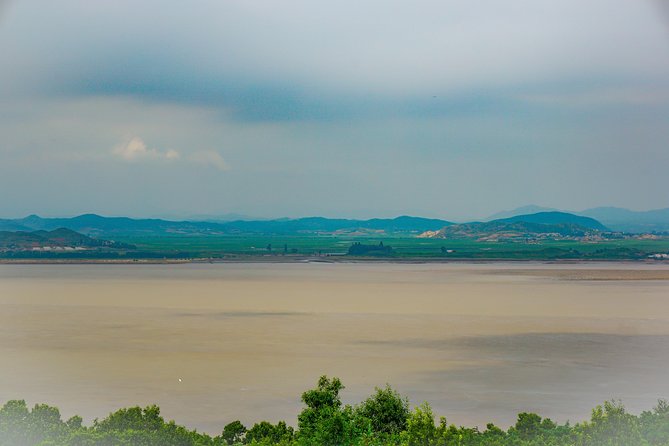
The emotional center of the day is the Ganghwa Peace Observatory. You can use binoculars to see North Korean people living, and North Korea is about 2 km away from the island.
This stop includes an admission ticket and lasts about 40 minutes. It’s not just a viewpoint, it’s a controlled way of witnessing a tense reality. I think this is where a guide matters most, because the point is understanding what you are looking at and why this location is significant, not just collecting a postcard image.
Keep your expectations grounded. You will not see everything like a close-up screen, but you will get the feeling of proximity that the number creates. If you have never been to a place where geography is tied so directly to politics, this can hit harder than you expect.
Yeonmijeong Pavilion: the view, the pause, and the second perspective
After the observatory, you stop at Yeonmijeong Pavilion for about 30 minutes. Admission is free, and it’s another viewpoint to enjoy the island scenery and get a peek of North Korea.
I like pavilion stops because they give you room to process what you just saw. The observatory gives you the details and the intent, the pavilion gives you the wider mental picture. You can compare views, look for how the shoreline and vantage points line up, and make sense of the day as a single story.
If you are traveling in the midday sun, pavilion viewing can get warm. Bring sun protection and use the time to slow down, not just to take pictures.
Ganghwa Anglican Cathedral: Western footprints at the gateway to Seoul
You finish with the Ganghwa Anglican Cathedral, a stop tied to the idea that Ganghwa Island was an entrance to Seoul for westerners. It’s an evidence of that early interaction, and the visit lasts about 30 minutes with free admission.
This is a useful contrast to the fortress and Buddhist temple stops. Instead of one theme, the day shows you how different communities understood the area at different times. Even if you are not religious, it helps to see how architecture can represent historical contact.
I recommend treating this stop as a quiet wrap-up. Walk around, notice details, and use it to connect the morning and afternoon themes into one coherent understanding of the island’s role.
Optional extra time, no-lunch reality, and how the day stays manageable
Lunch not being included is the main practical thing you should plan for. That does not mean you will go hungry, but it does mean you should budget time and money for a meal that works for you. The market stop gives you a realistic chance to eat, and you can also plan on a snack if you prefer a lighter break.
Also, remember that not all entrance fees are handled the same way. Entrance fees are included for stops where they are listed, but the seaside resort admission is not included. If you choose the luge ride, treat it as an extra cost and decide based on your interest level, not just because it is available.
The good news is the day is arranged with a natural flow. You have fortress sites, then a temple, then a market, then viewpoints, then a cathedral. That sequence prevents the day from feeling like random driving plus random photos.
Price and value: what $220 buys you on Ganghwa Island
At $220 per person, this is not the cheapest way to do Ganghwa Island. But you are paying for a private format plus real on-the-ground logistics: hotel pickup and drop-off, air-conditioned minivan transport, a driver cum guide, bottled water, and entrance fees for the stops that are included.
For value, consider what you would pay if you tried to DIY. Seoul to Ganghwa requires planning, and you would still need to piece together multiple locations, admission tickets, and timing. This tour bundles the hard parts, so your day works without spreadsheet stress.
Where the price can feel less justified is if your group is small and you do not care about the historical context. The tour’s strength is interpretation, not just checklists. If you want someone to connect the Joseon-era conflicts to what you see in front of you, you will feel the value more.
For couples, it can be excellent value because private comfort often matters more the older you get. For families, it can be a good fit if everyone is comfortable with moderate walking and you keep the pace realistic.
Should you book this Ganghwa Island private tour?
Book it if you want a structured day that balances history, spirituality, local food life, and a serious viewpoint toward North Korea. The Peace Observatory stop and binocular experience are the big reason to go, and the private guide format helps you understand why each location matters instead of just seeing it.
Skip it or rethink it if you mainly want a low-cost, free-and-easy day with no focus on explanations. With lunch not included and an optional seaside add-on, you should expect small extra costs and plan meals in advance.
If you like your travel days with clear start and finish, a comfortable ride, and fewer decisions, this kind of private Ganghwa itinerary is a strong choice. Just remember to bring lunch money, and pack shoes and sun protection. That combo makes the whole day feel smoother.
FAQ
What time does the tour start?
The start time is 8:30 am.
How long is the Ganghwa Island full day private tour?
It runs about 8 hours.
Is pickup included, and where does it operate?
Yes. Hotel pickup and drop-off are included for hotels located in Seoul.
Is lunch included in the price?
No. Lunch is not included.
What is the tour price?
The price is $220.00 per person.
What does the tour include for entry fees?
Entrance fees listed in the itinerary are included, while the Ganghwa Seaside Resort stop (including the luge ride option) is optional and its admission is not included.
Is this tour private?
Yes. It is a private tour/activity, and only your group participates.
Is North Korea visible during the Peace Observatory stop?
Yes. At the Ganghwa Peace Observatory you can use binoculars to see North Korean people living, and North Korea is about 2 km away from the island.
What is the cancellation policy?
You can cancel for free up to 24 hours in advance for a full refund.
Keep Browsing Seoul

More Seoul Write-Ups
More Around Incheon



Fresh on the Seoul pile
- Unique Native Experience : Han River Picnic, Board game, BBQ★ 5.0 · 3 reviews
- 2-Hour Private Kayaking and Paddleboarding Experience in Hanriver★ 5.0 · 3 reviews
- Korean Folk Village & Suwon Hwaseong Fortress Private Tour★ 5.0 · 3 reviews
- Seoul Korean BBQ Dinner Experience with Secret Food Tours★ 5.0 · 3 reviews
- Seoul Highlights & Hidden Gems – Private Tour with Photo Service★ 5.0 · 3 reviews
- Night Food Tour in Seoul with Traditional and Modern Cuisine★ 5.0 · 3 reviews
Incheon & Ganghwa Island you might have missed.
 ★ 5.0Flexible Private Guided Tour in Seoul (Optional Incheon Layover)From $225323 reviews
 ★ 5.0Private Layover Tour from Incheon Airport to SeoulFrom $24078 reviews
 ★ 5.0Seoul Layover Private Tour from Incheon AirportFrom $23065 reviews
 ★ 4.5Full-Day Seoul Top Attractions Tour for Incheon Cruise GuestsFrom $8034 reviews
 ★ 5.0Seoul Layover Private Incheon Cultural Odyssey from AirportFrom $19033 reviews
 ★ 5.0Cruise Guests Layover Incheon Port Seoul Private Car TourFrom $42423 reviews
 ★ 5.0DMZ tour pick up & drop off at Incheon airportFrom $25017 reviews
 ★ 5.0Incheon Airport Private Pick Up to and from SeoulFrom $9814 reviews
Where this tour also appears