
REVIEW · KOREA
Discover Western Korea in 4days: All-Inclusive Experience
Few places beat Western Korea for variety.
This 4-day, all-inclusive style trip strings together UNESCO heritage, traditional village life, and big nature sites, with meals and entrance fees handled for you.
I especially like the no-stress structure: you get hotels for 3 nights, a professional English guide, and all admission fees included. I also like that the program is built around real-world pace across different regions, not just one city loop. One thing to consider: it is a full schedule with moderate walking and day-to-day travel, so you will want to pack comfortable shoes.
You also need to be okay with a group experience and a fixed plan. If you are hoping for lots of free time to wander off on your own, this is not the tour for long detours. The upside is you still get a lot of Korea in just four days.
In This Review
- Key highlights worth your attention
- What you are really buying in this 4 days
- Start in Seoul, then fly west the efficient way
- Day 1 in Gongju: Fortress, royal tombs, and artifacts you can actually see
- Day 2 in Jeonju: Hanok lanes, hanbok time, and a temple calm break
- Day 3 in Boseong and Suncheon: Tea terraces and wetland wildlife habitat
- Day 4 in Busan: UN Memorial Cemetery and a thoughtful finish
- Hotels and meals: where the trip feels most comfortable
- The wellness facility stop: what to expect and how to handle it
- Price and value: why $1,200 can make sense for this route
- Who this tour fits best (and who should think twice)
- Quick packing tips that match this itinerary
- Should you book this 4-day Western Korea experience?
- FAQ
- What is included in the tour price?
- How long is the tour and where does it start?
- Where does the tour end, and do I need to arrange transport afterward?
- Are admission tickets included for the sites?
- Does the itinerary include shopping?
- Is KTX transportation included?
- What kind of fitness level do I need?
- Is this tour weather dependent?
Key highlights worth your attention
- UNESCO Gongju Fortress and King Muryeong Tomb area for a deep feel of Joseon-era burial culture
- Jeonju Hanok Village plus hanbok time in one of Korea’s most photogenic traditional zones
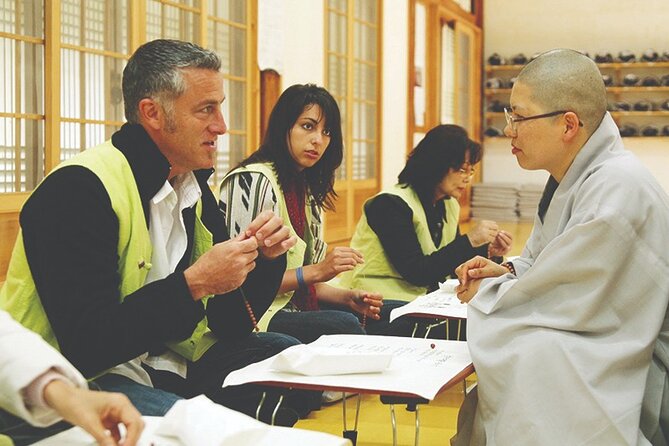
- Baekyangsa Temple tea conversation that slows the pace and adds a calm cultural moment
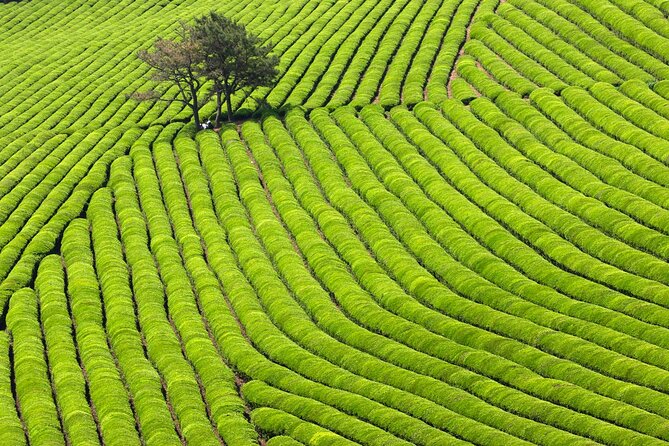
- Boseong tea terraces at Daehan Dawon for that green, stepped landscape walk
- Suncheon Bay Wetland Reserve for coastal marsh nature and wildlife habitat
- Jay and the guide team have a reputation for caring service and well-planned meals
Torn between options? The Seoul trips below held up best on our read.
What you are really buying in this 4 days
This is an all-in-one Western Korea sampler with very few decision points. You start in Seoul, base yourself in hotels for three nights across the route, and keep moving from history sites to traditional culture to nature, then finish back in Seoul after a Busan morning.
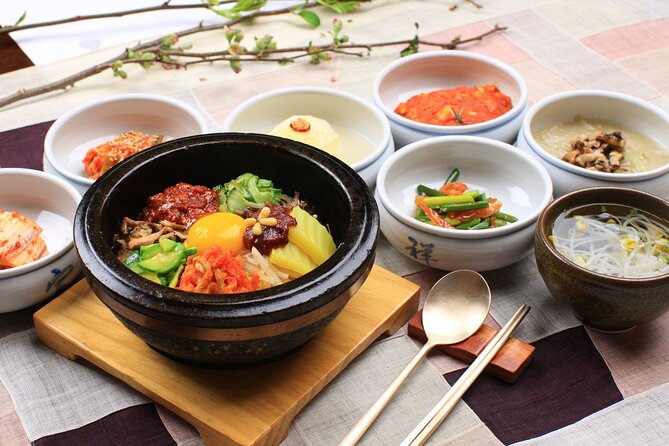
The price point is not cheap, but it is easier to justify when you look at what is included. You are getting 3 nights of accommodation, most meals (3 breakfasts, 4 lunches, 3 dinners), all entrance fees, and an air-conditioned vehicle with a guide. For a short multi-region trip, that bundled value matters because transportation and admissions stack up fast on your own.
One more practical detail: the tour is described as no options and no shopping. That usually means less time wasted in retail stops and more time at the sites you came for. The tradeoff is you do not get to swap experiences or skip parts on the fly.
Start in Seoul, then fly west the efficient way
You meet at AMID Hotel Seoul in Insadong at the start time of 8:00 am. The meeting point is convenient if you are already staying in central Seoul, and the tour notes it is near public transportation. Your end point is Seoul Station, and you arrange your own transport from there.
Also, pay attention to how the return works. The schedule provides an estimated KTX ride: Busan Station 14:31 to Seoul Station 17:14. Your guide drops you off at Busan Station, then the KTX handles the main leg back. (If your group is 9 people or fewer, the tour says KTX tickets are provided.)
For the group size, there is a max of 35 travelers. That is big enough to feel like a “tour,” but small enough that you usually still get attention from the guide when questions pop up.
Day 1 in Gongju: Fortress, royal tombs, and artifacts you can actually see
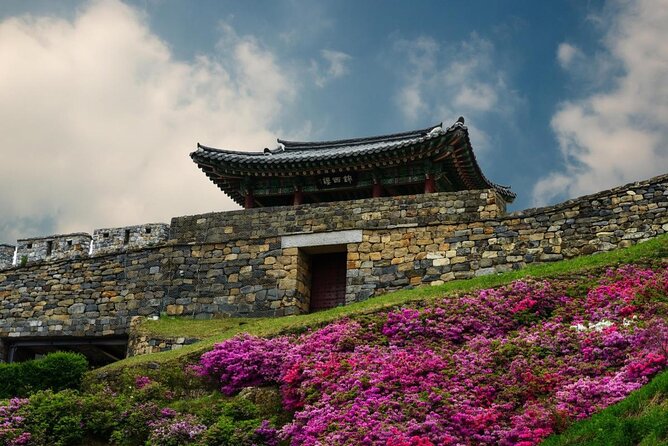
Day 1 is all about Gongju, a city that feels like a history lesson without being a classroom. You start with Gongsanseong Fortress, a UNESCO World Heritage site (designated in 2015). Fortresses like this are more than a wall and views. They tell you how kingdoms thought about defense, geography, and control of routes along the hills.
Next comes Songsan-ri Tombs and the Royal Tomb of King Muryeong. The highlight here is the tomb’s distinctive brick-built burial style, plus the fact that this area is tied to royal burial practices. If you are the type who usually reads museum plaques and moves on, this stop may be the one that sticks because it connects the artifacts you will later see with the engineering and craft behind the burial.
Then you finish at Gongju National Museum, which holds around 10,000 cultural artifacts. The tour mentions finds connected to King Muryeong’s tomb, including royal relics and gilt-bronze ornaments. This is where the day becomes more than “we visited a site.” You get context and a way to compare what you saw outdoors with what was dug up and preserved indoors.
Practical note: Day 1 includes admission tickets for each stop and has a solid time block. Bring patience for the touring rhythm, but it is a strong opener.
Day 2 in Jeonju: Hanok lanes, hanbok time, and a temple calm break
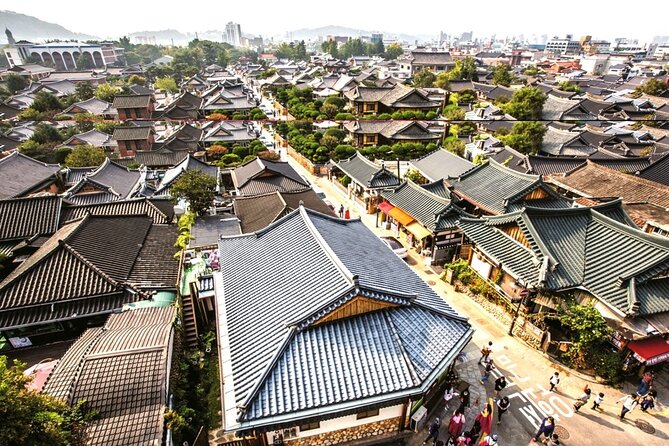
Jeonju is one of Korea’s easiest places to understand quickly. It has the traditional feel without being impossible to navigate. The tour begins in Jeonju Hanok Village, home to more than 800 hanok houses. That is the backdrop for everything that follows.
First you visit Gyeonggijeon Shrine in the village center. The shrine was erected in 1410 and holds a portrait of King Tae-jo, the founder of the Joseon Dynasty. Even if you know little Korean history, the experience has an obvious logic: you are seeing a place built for ceremony, memory, and legitimacy.
Then comes Hanboknam Jeonju Hanok Village, where you get time for a hanbok experience. This part is popular for a reason. It is not just for photos. It helps you slow down and notice the small details of the environment, because your body is literally moving differently in traditional clothing. You also tend to interact more with the streets and courtyards around you.
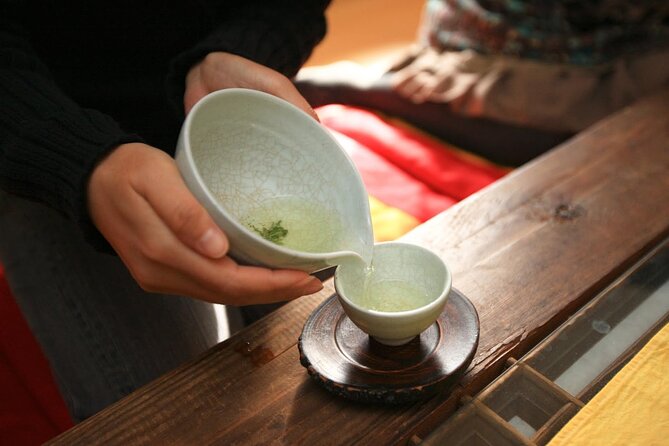
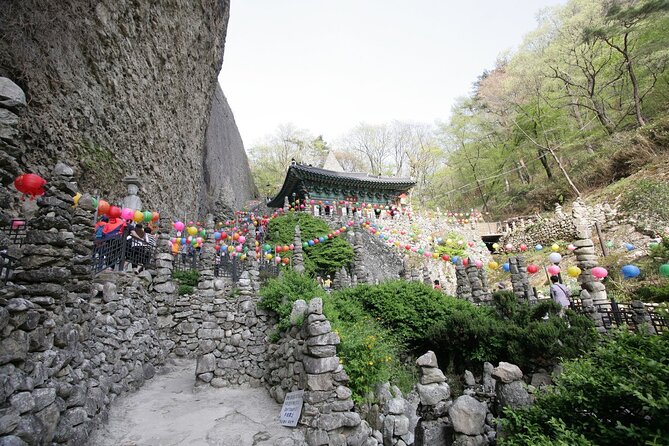
After that, you explore the shrine again in the schedule, and then you travel to Baekyangsa Temple. This stop adds a different tone to the trip. The tour says you join a tea conversation with a Buddhist monk, described as a peaceful moment for reflection. I like that contrast because after history and village imagery, you get a softer human pace.
The only consideration on Day 2 is temperature and comfort. Temple visits and hanok walking can be very warm or very cool depending on the season, and this is a day where you will likely be out walking more than you expect.
- Best DMZ Tour Korea from Seoul (Red Suspension Bridge Optional)
★ 5.0 · 41,422 reviews - DMZ Tour: 3rd Tunnel, Option(Suspension Bridge, Boat) from Seoul
★ 5.0 · 21,373 reviews - DMZ tour south Korea from Seoul (NK experience hall, defector)
★ 5.0 · 20,599 reviews - Seoul: DMZ Tour with Optional Suspension Bridge
★ 4.8 · 5,277 reviews - Signature DMZ Tour: Exclusive Defector Talk & Suspension Bridge
★ 5.0 · 4,459 reviews
Day 3 in Boseong and Suncheon: Tea terraces and wetland wildlife habitat
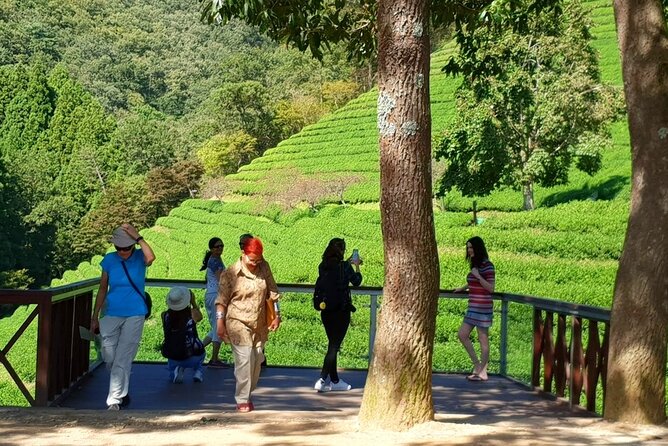
Day 3 splits the day between countryside and coastal nature.
You start with Boseong Green Tea Plantation (Daehan Dawon). This is billed as the largest green tea field in Korea, with terraced rows you can walk between. If you like scenery that looks almost engineered, tea terraces are one of the best examples. The tour time is about 2 hours, which is enough to stroll, take photos, and enjoy the changing angles as the path curves.
After lunch, you head to Suncheon Bay Wetland Reserve. This is a major ecosystem change from tea fields to coastal marshland. The tour describes it as one of the world’s top five wetlands and a sanctuary for more than 250 species. Even if you do not spot everything, the purpose is clear: you are learning how coastal wetlands function as habitat and as a place where land and sea mix.
In practical terms, plan to bring a layer. Wetlands can feel cooler and breezier than city air, and you may be standing or walking on paths where wind is a factor.
Day 4 in Busan: UN Memorial Cemetery and a thoughtful finish
The last day begins with a solemn stop in Busan at the UN Memorial Cemetery. The tour notes it is dedicated to UN soldiers who lost their lives during the Korean War, and it highlights that there are approximately 2,300 graves arranged by nation.
Admission here is free, but the value is not. This is the kind of site that makes you slow down, read a bit more, and think about how modern Korea sits inside global history. It is also a good emotional punctuation mark after the earlier days of fortress craft, village life, and nature walks.
Then your day moves you toward the rail connection back to Seoul. The provided schedule includes that KTX timing and that your guide drops you at Busan Station.
Hotels and meals: where the trip feels most comfortable
The tour includes 3 nights of accommodation, plus breakfasts, lunches, and dinners across the 4 days. That means you are not hunting for meals after long sightseeing blocks.
In the feedback you provided, one theme is that hotels were clean and nice, and that restaurant choices were well thought with food that is amazing. I take that seriously, because on group tours, meals can either be a highlight or a headache. Here, the program specifically includes meals, which usually improves consistency.
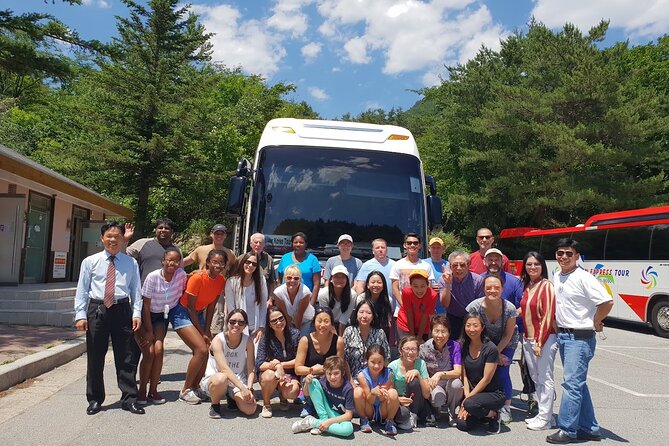
Also, you get an English-speaking guide (or driver-guide). One review highlighted a guide named Jay as caring. Even with the route being set, it is often the guide’s tone that decides whether the day feels like a checklist or like a guided story.
The wellness facility stop: what to expect and how to handle it
The overview mentions a visit to a wellness facility designated by the Korea Tourism Organization. The itinerary you shared does not spell out exactly what happens there, but the key point is that it is part of the planned schedule.
If you are unsure what this means in practice, treat it as a “planned add-on” rather than a must-figure-out-in-advance experience. Bring a calm mindset and go with the flow. If you have questions about the facility or timing once you are on the trip, ask your guide early that morning. That is what they are there for.
Price and value: why $1,200 can make sense for this route
At $1,200 per person for 4 days, this tour is positioned as mid to higher value, mainly because it is bundled.
Here is how to think about it:
- You get all entrance fees for the listed stops, so you are not paying site by site.
- You get transportation in an air-conditioned vehicle.
- You get 3 nights in hotels, plus a full meal plan for most of the trip.
- You get a professional English-speaking guide, which can be hard to replicate at the same quality level on your own.
If you tried to recreate this solo, you would likely spend on trains or long drives between regions, pay for admissions separately, and lose time coordinating meals and timing. This tour trades some freedom for convenience, and for four days, that can be a smart bargain.
Who this tour fits best (and who should think twice)
This is a good fit if you want:
- A structured route through history, traditional culture, and nature
- Fewer logistical decisions
- Included meals and admission so you can focus on enjoying each stop
- A moderate pace that still covers a lot geographically
It may not be the best fit if you want:
- Lots of open time to wander without a plan
- Deep flexibility to swap experiences daily
- A very light day with minimal walking and minimal transfers
Group travel is also part of the package. With up to 35 people, you will likely share timing with the group. The upside is that the guide team helps keep the day moving.
Quick packing tips that match this itinerary
Based on the types of stops (fortress areas, hanok streets, temples, tea fields, wetland reserve), you will want practical gear:
- Comfortable shoes for uneven outdoor paths
- A light layer for outdoor nature and wetlands
- A small day bag for water and phone charging needs
Also, since the tour includes mobile ticket use, keep your phone battery handy. Nothing kills momentum like a dead battery in the middle of a photo stop.
Should you book this 4-day Western Korea experience?
If your goal is to see a lot of Western Korea without building the route yourself, I would lean toward booking. The value is in the bundle: hotels, meals, admissions, and guiding. The itinerary also makes sense thematically, moving from Gongju heritage to Jeonju tradition, then out into tea country and wetlands, and finishing with a meaningful Busan stop.
Book it if you like guided pacing and want the convenience of not deciding what to do at every turn. Skip it if you need long free hours, want maximum spontaneity, or prefer to travel at your own speed with no set schedule.
In short: this is a solid choice for people who want real Korea, in four days, with most of the heavy lifting taken care of.
FAQ
What is included in the tour price?
The tour includes all entrance fees, a professionally English-speaking guide (or driver-guide), an air-conditioned vehicle, 3 nights’ accommodation, all fees and taxes, and meals (3 breakfasts, 4 lunches, and 3 dinners).
How long is the tour and where does it start?
It runs for 4 days and starts in Seoul at AMID Hotel Seoul in Insadong, with an estimated start time of 8:00 am.
Where does the tour end, and do I need to arrange transport afterward?
The tour ends at Seoul Station. You arrange your own transportation from there, since hotel pickup is not included on the first day and the tour notes you will handle transport to Seoul Station.
Are admission tickets included for the sites?
Yes. Entrance fees for the tour stops are included, and the schedule lists admission tickets for each of the days except some sites marked free.
Does the itinerary include shopping?
No. The program is described as no options and no shopping.
Is KTX transportation included?
The tour provides KTX tickets if the group consists of 9 people or fewer. For the return timing, the schedule provides an estimated KTX time from Busan Station to Seoul Station, and your guide drops you off at Busan Station.
What kind of fitness level do I need?
The tour states travelers should have a moderate physical fitness level.
Is this tour weather dependent?
Yes. The experience requires good weather, and if it is canceled due to poor weather, you will be offered a different date or a full refund.
More Seoul Write-Ups
Fresh on the Seoul pile
- Unique Native Experience : Han River Picnic, Board game, BBQ★ 5.0 · 3 reviews
- 2-Hour Private Kayaking and Paddleboarding Experience in Hanriver★ 5.0 · 3 reviews
- Korean Folk Village & Suwon Hwaseong Fortress Private Tour★ 5.0 · 3 reviews
- Seoul Korean BBQ Dinner Experience with Secret Food Tours★ 5.0 · 3 reviews
- Seoul Highlights & Hidden Gems – Private Tour with Photo Service★ 5.0 · 3 reviews
- Night Food Tour in Seoul with Traditional and Modern Cuisine★ 5.0 · 3 reviews