

REVIEW · KOREA
Discover Round Korea in 7days: All-Inclusive Experience
One route can cut your stress fast, and this one does. In 7 days, you cover UNESCO stops, royal tombs, temple rituals, tea country, wetlands, and a national park, all with transport and most logistics handled for you.
What I like most is the trade-off: you get a no-shopping, all-included feel, while still seeing the kind of places you would not casually plan on your own. I also appreciate how the experience centers on cultural texture, like a hanbok moment in Jeonju and a tea conversation linked to a temple visit.
One thing to consider: this is a full, guided pace with moderate physical fitness needed, plus the national park day is weather-dependent. If you want slow mornings and lots of free time, you may feel rushed.
In This Review
- Key highlights you’ll feel in your day-to-day
- The value of an all-inclusive Korea route, minus the shopping pressure
- Starting and ending in Seoul, and how to make the first day painless
- Day 1 in Gongju: fortress walls, a royal tomb, and a museum with context
- Day 2 in Jeonju: hanok streets, hanbok time, and a Buddhist tea moment
- Day 3 in tea country and the wetlands of Suncheon Bay
- Day 4 in Busan: UN remembrance, Jagalchi energy, and the Sea Cable Car views
- Day 5 in Gyeongju: APEC symbolism, UNESCO temple beauty, and Silla treasures
- Day 6 in Andong: dessert-making hands-on fun and a living folk village
- Day 7 in Seoraksan National Park: the nature day you’ll remember
- Food and timing on a group schedule: how the meals work for you
- Who should book this, and who should pause
- Should you book Discover Round Korea in 7 Days?
- FAQ
- What is the meeting point and start time for this tour?
- How many days does the tour last, and how many nights are included?
- What meals are included?
- Are entrance fees included?
- Is there shopping during the tour?
- What should I know about fitness level and weather?
Key highlights you’ll feel in your day-to-day
- No shopping stops. The schedule stays focused on sites and experiences, not sales.
- Admissions are covered across castles, tombs, shrines, museums, and the national park area.
- Real local culture moments like hanbok time in Jeonju and a dessert-making session.
- A strong mix of Korea types: royal-era sites, temple life, food markets, and nature.
- Small-group vibe with a max of 35, plus an English-speaking guide.
- Guide care shows up in feedback, including praise for guide Jay being friendly, fun, and attentive.
Torn between options? The Seoul trips below held up best on our read.
The value of an all-inclusive Korea route, minus the shopping pressure
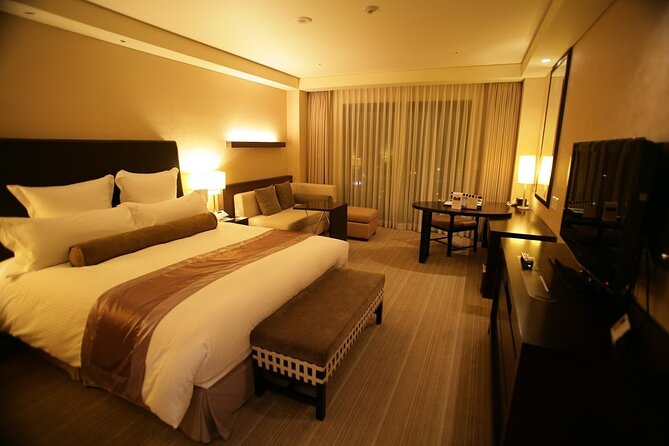
This is the kind of tour where you can stop doing mental math. You pay once, then spend most of your energy on looking, learning, and eating. With entrance fees included and a guide to handle the flow, you are not hunting tickets, figuring out ticket lines, or constantly reorganizing plans.
The other big value is the tone of the tour. It explicitly includes no options and no shopping, which matters in Korea because some group tours quietly build in shopping breaks as a default. Here, your time is spent on places like fortified walls, royal burial sites, and working cultural villages. That shifts the whole experience from consumption to connection.
Price-wise at $1,970 per person for 7 days, the best way to judge value is what would normally cost you on your own: six nights of hotel lodging, guided transport by air-conditioned vehicle, English support, and the admissions across multiple major attractions. If you have ever priced a self-planned week with tickets and internal transport, this tour’s structure starts to look less expensive than it sounds.
Starting and ending in Seoul, and how to make the first day painless
The meeting point is AMID Hotel Seoul, in Insadong (Jongno District). You start at 8:00 am and the tour ends back at the meeting point.
The tour also notes that hotel pickup on the first day and drop-off on the last day are not included, and it recommends staying at Amid Hotel Seoul. If you do not want to scramble with early transit before an 8:00 am start, I’d plan your Seoul base near the meeting point. That one choice can save you from a classic travel problem, the last-minute taxi run.
You’ll use a mobile ticket, and you get a welcome kit on arrival. Those small touches reduce friction, especially on the first morning when everything is new.
Day 1 in Gongju: fortress walls, a royal tomb, and a museum with context
Gongju is a smart opener because it sets a tone. You start with Gongsanseong Fortress, a UNESCO World Heritage site. Fortress sites in Korea are not just scenery. They help you see why kingdoms cared about control and visibility, because the walls were built for defense and observation.
From there, you move to the Songsan-ri Tombs and the Royal Tomb of King Muryeong. The highlight here is the burial style, brick-built, which is a good example of how engineering and ritual overlap in Korean royal culture. If you like history that you can picture, this is one of those stops where your brain starts building the timeline as you walk the site.
Finally, you close the day at the Gongju National Museum. With around 10,000 cultural artifacts, it gives you a chance to anchor what you just saw in real objects, not just descriptions. A museum like this can feel slow if you are tired, but in a week like this, it acts like the tour’s glue.
Practical note: the day is ticketed at multiple stops, so bringing a daypack for water and a light layer is worth it. You’ll appreciate it even if the sites are mostly sheltered.
Day 2 in Jeonju: hanok streets, hanbok time, and a Buddhist tea moment
Jeonju Hanok Village is one of Korea’s best-known cultural neighborhoods for a reason. This is where the tour shines if you want atmosphere, not just monuments. You begin with Gyeonggijeon Shrine, then you explore the hanok lanes where you can see how the traditional houses form a living street pattern.
Next comes the fun part: a hanbok experience. The tour’s structure gives you a dedicated block for this, and that matters because hanbok moments are most enjoyable when you are not squeezing them between bus rides.
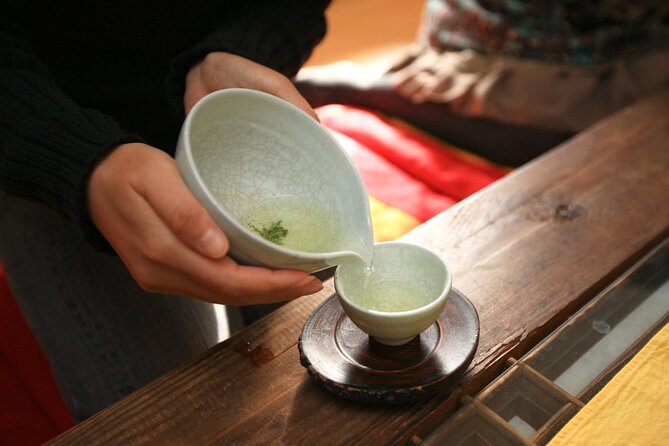
After the village time, you return to the spiritual side with Gyeonggijeon Shrine again in the day flow and then head to Baekyangsa Temple. This is where the tour leans into calm. You join a tea conversation with a Buddhist monk, a thoughtful shift from the urban feel of hanok streets. Even if tea etiquette is not your thing, it’s still a rare chance to slow your pace and listen in a different rhythm.
Possible drawback: Jeonju is popular, and this style of tour means you’ll be moving with a group. If you want long, quiet wander time to yourself, you may need to use short breaks well, like stepping aside for a few minutes at quieter corners.
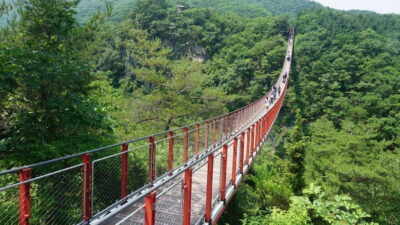
- Best DMZ Tour Korea from Seoul (Red Suspension Bridge Optional)
★ 5.0 · 41,422 reviews - DMZ Tour: 3rd Tunnel, Option(Suspension Bridge, Boat) from Seoul
★ 5.0 · 21,373 reviews - DMZ tour south Korea from Seoul (NK experience hall, defector)
★ 5.0 · 20,599 reviews - Seoul: DMZ Tour with Optional Suspension Bridge
★ 4.8 · 5,277 reviews - Signature DMZ Tour: Exclusive Defector Talk & Suspension Bridge
★ 5.0 · 4,459 reviews
Day 3 in tea country and the wetlands of Suncheon Bay
Day 3 gives you two different types of nature, both easy on the mind.
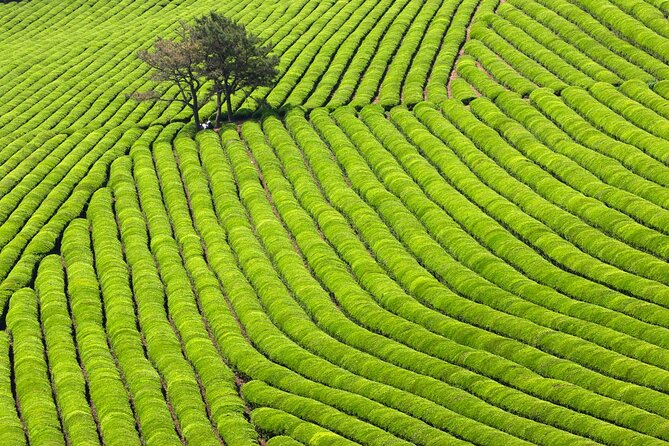
You start at Boseong Green Tea Plantation (Daehan Dawon), described as Korea’s largest green tea field. Terrace rows of tea bushes create a visual order that makes walking feel purposeful. It also helps you understand why tea matters culturally and economically, not just as a drink.
Then comes Suncheon Bay Wetland Reserve, a coastal marshland where a river meets the sea. The tour frames it as one of the world’s top wetlands and a sanctuary for more than 250 species. Even if you are not an official bird counter, wetlands like this change how you look at water. You start noticing the edges, the reeds, and the way the ecosystem breathes.
Practical tip: this is a good day for comfortable shoes. Wetland areas can involve uneven ground, and you’ll appreciate support if you have to walk a bit outside the exact paths.
Day 4 in Busan: UN remembrance, Jagalchi energy, and the Sea Cable Car views
Busan is a strong mid-trip reset because it mixes serious reflection with real everyday life.
You start at the UN Memorial Cemetery in Busan. It’s a solemn stop dedicated to UN soldiers lost during the Korean War, with graves arranged by nation. This is not a quick photo stop. Give yourself a moment to be still, then move on with a different kind of perspective for the rest of the day.
Next is Jagalchi Market, Busan’s iconic fish market. This is where you feel the city’s pulse. You’ll see stalls with seafood and local specialties, and the tour encourages you to take your time. I like markets during a group trip because the guide can point you toward what to look for, and you still get the fun of choosing what appeals to you.
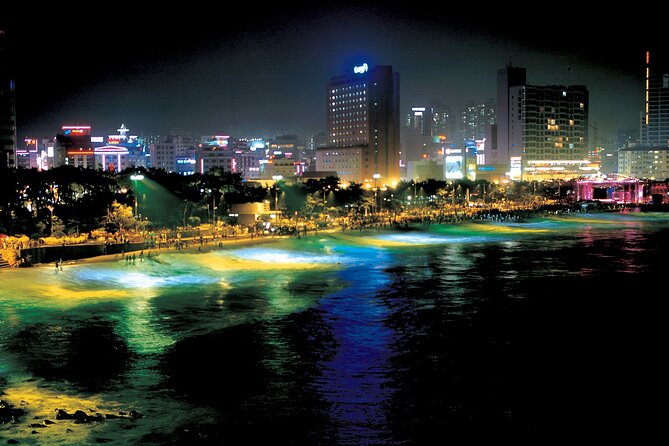
To end the day, you ride the Songdo Cable Car. The ride runs about 1.6 km and connects Songdo Beach Station to Songdo Sky Park. Cable cars are great because they give you a fresh viewpoint with minimal effort, and Busan’s coastline looks different from above.
Consideration: if you don’t love crowds, markets can feel intense. The best approach is to use the moment like a slow scan: look first, then decide what you want to eat or buy.
Day 5 in Gyeongju: APEC symbolism, UNESCO temple beauty, and Silla treasures
This day is for people who like their culture with a little weight to it.
You start at Nurimaru APEC House on Dongbaekseom Island, tied to the 2005 APEC Summit. It’s a modern contrast after the more traditional days, and that contrast helps your brain keep dates straight, modern Korea living beside older sites.
Then you head to Bulguksa Temple, a UNESCO World Heritage site. Temple architecture in Korea is built for ritual movement, and even if you do not fully understand the symbolism yet, you can feel the rhythm in the structures and courtyards.
After that, you visit the Daereungwon Tomb Complex, featuring royal burial mounds and relics, including references to elaborate gold crowns. This is an ideal spot if you like the “royal machine” behind art, because tomb culture explains why gold, carvings, and craftsmanship were so closely linked to power.
You finish with Gyeongju National Museum, which focuses on iconic artifacts like golden crowns and masterpieces from about a millennium ago. It’s one of those museums where you’ll start connecting the dots across the day’s sites.
Finally, you stop at Cheomseongdae Observatory, a beloved symbol of Gyeongju. It’s a compact ending, just enough time to imagine how people watched the stars and tracked seasons.
Day 6 in Andong: dessert-making hands-on fun and a living folk village
Day 6 is a change of pace because you get a hands-on activity.
You begin with Momyeongjae, a traditional Korean dessert-making experience at a Korean Traditional Culture Center. You learn from expert instructors and create your own dessert. Even if you are not a confident cook, this type of class is one of the best ways to make a cultural trip feel personal. You get something you can share, plus you learn technique and taste in a way that a museum ticket can never do.
Next is Andong Hahoe Folk Village, a UNESCO World Heritage Site known as one of Korea’s best-preserved traditional villages. The tour highlights that it’s a living cultural landscape with more than 600 years of history. The value here is not just the buildings, it’s that the village is presented as an ongoing cultural system, not a static set.
Possible drawback: folk villages can be calm, but they also can be exposed to weather depending on the season. If it’s hot or rainy, plan for a light layer and quick-drying clothes.
Day 7 in Seoraksan National Park: the nature day you’ll remember
Seoraksan is the closer that gives the week an emotional finish.
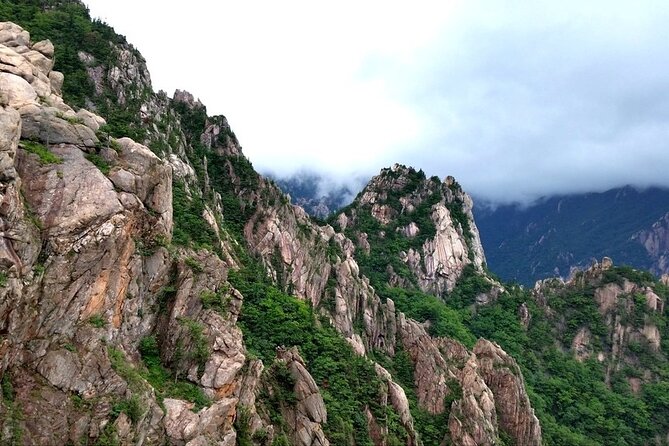
You start the morning in Pyeongchang, then head to Jujeongol Valley in Seoraksan National Park. Jujeongol Valley is known for dramatic rock formations, soaring peaks, and clear streams. The tour frames this as one of Korea’s top national parks, and the point of that claim is simple: you’ll see why people come back again and again.
This is also the day where weather matters. The tour notes it requires good weather. If it’s foggy or rainy, you may not get the same views, so keep your expectations flexible and focus on what you can still enjoy, like the sounds of water and the walk itself.
For physical comfort: stick to stable shoes and avoid rushing. You’ll likely spend more time outside than on some earlier museum days.
Food and timing on a group schedule: how the meals work for you
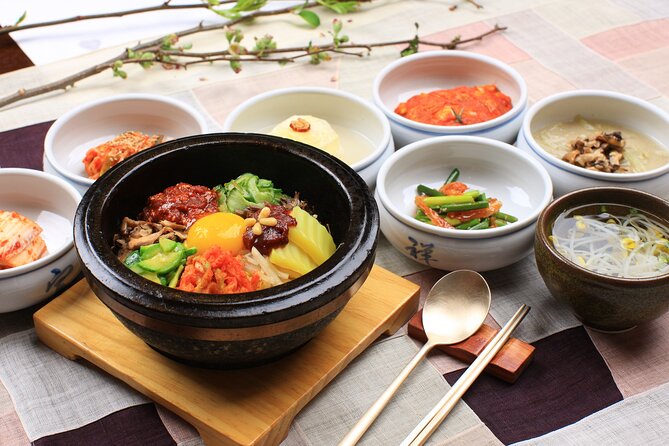
The tour includes lunch (7), breakfast (6), and dinner (6). That matters because it reduces your daily decision fatigue. You don’t have to hunt for meals near each stop, and you get to keep moving without losing time to restaurants.
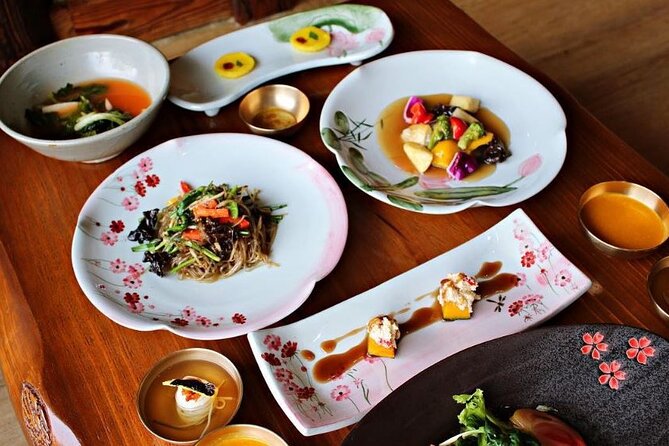
The tour also emphasizes serving traditional food with diversity, which is exactly what I’d want in a one-week sweep. If you are the type who worries you’ll eat only one style of Korean food for a week, this schedule is set up to spread the variety across the trip.
One caution: group meals can mean you eat at set times. If you are a slow eater, don’t stress. Use the rest stops and travel transitions to slow your pace before the next official start time.
Who should book this, and who should pause
This works best for you if:
- you want an all-included 7-day route that saves planning time
- you like culture plus nature, with real site visits, not just shopping malls
- you prefer the safety net of an English-speaking guide and admissions handled for you
- you value small-group flow, up to 35 people
You might want a different option if:
- you hate structured days and want a lot of unplanned freedom
- you have mobility limits that make multi-stop walking uncomfortable
- you need lots of downtime, because the schedule is full and you’ll be on the move most days
A final note on service: feedback highlights guides taking care of the group, including praise for Jay being friendly, fun, and attentive. That kind of guide energy makes a big difference when days are packed.
Should you book Discover Round Korea in 7 Days?
If you want Korea that is organized, meaningful, and not glued to shopping stops, I’d say yes. This tour’s value is strongest in three places: entrance fees covered, six nights lodging built in, and a route that mixes UNESCO sites with daily-life flavor like Jagalchi Market.
Book it if your ideal week looks like steady progress, cultural moments you can actually see and do, and a final nature day in Seoraksan. Consider passing or adjusting expectations if you want lots of free time, or you know you struggle with outdoor walking.
If you do book, my best advice is simple: pack for walking, stay near the Seoul meeting point to make Day 1 easy, and keep your camera ready for both royal tomb scale and the quiet calm of temple tea.
FAQ
What is the meeting point and start time for this tour?
The tour meets at AMID Hotel Seoul (38 Insadong 5-gil, Jongno District, Seoul) and starts at 8:00 am.
How many days does the tour last, and how many nights are included?
The tour runs for about 7 days and includes 6 nights of accommodation.
What meals are included?
Lunch is included for 7 days, breakfast is included for 6 days, and dinner is included for 6 days.
Are entrance fees included?
Yes. Entrance fees for all sites visited during the tour are included.
Is there shopping during the tour?
The program is described as having no shopping and no options.
What should I know about fitness level and weather?
The tour notes you should have a moderate physical fitness level. It also requires good weather, and the tour may be offered a different date or refunded if canceled due to poor weather.
More Seoul Write-Ups
Fresh on the Seoul pile
- Unique Native Experience : Han River Picnic, Board game, BBQ★ 5.0 · 3 reviews
- 2-Hour Private Kayaking and Paddleboarding Experience in Hanriver★ 5.0 · 3 reviews
- Korean Folk Village & Suwon Hwaseong Fortress Private Tour★ 5.0 · 3 reviews
- Seoul Korean BBQ Dinner Experience with Secret Food Tours★ 5.0 · 3 reviews
- Seoul Highlights & Hidden Gems – Private Tour with Photo Service★ 5.0 · 3 reviews
- Night Food Tour in Seoul with Traditional and Modern Cuisine★ 5.0 · 3 reviews