
REVIEW · GWANGJANG MARKET & SEOUL STREET FOOD
Seoul: Noryangjin Fish Market Dinner
Seoul can be loud. Noryangjin turns that energy into a hands-on seafood dinner, centered on Seoul’s biggest fish market. I really like the market-first approach, where you see the real wholesale scene, then move straight into a restaurant meal. I also like that the experience is led by an English live guide, so you are not stuck guessing what to order.
One consideration: the tour includes seafood and cooking, but it does not include crab or lobster, so if you want those, plan on paying extra.
In This Review
- Key things to know before you go
- Noryangjin Fish Market, the place where dinner starts
- Meeting at Noryangjin Station and keeping it smooth
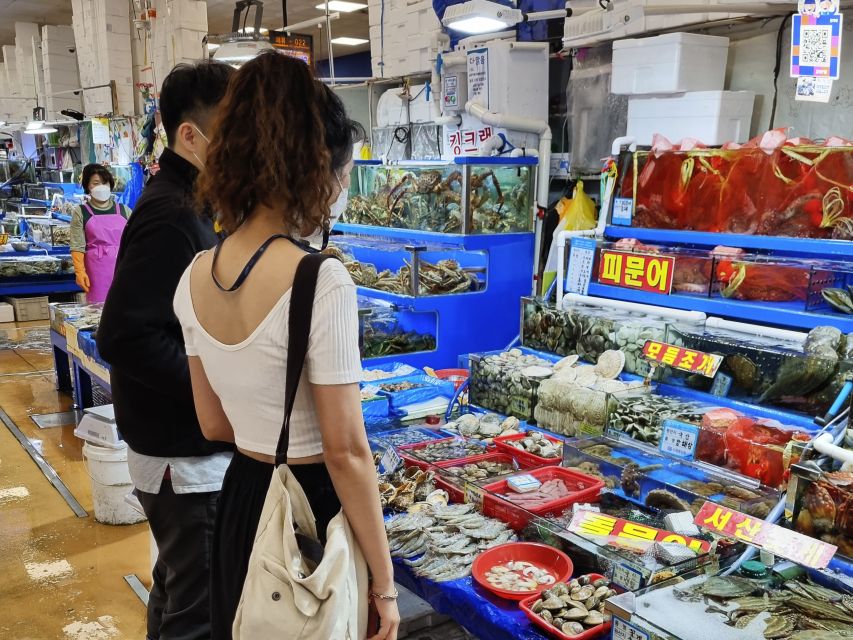
- What you do inside the market: picking seafood with a guide
- Dinner at the market restaurant: what you actually eat
- Flavor confidence tips for first-timers
- Price and value: why $116 can make sense
- English guide Lee, and what great guidance changes
- Who should book this Noryangjin fish market dinner
- Should you book? My practical call
- FAQ
- Where do I meet for the tour?
- How long is the Noryangjin fish market dinner?
- Is there an English-speaking guide?
- What seafood is included, and does it include crab or lobster?
- Is the group size small?
- Is cancellation allowed?
- Can I reserve and pay later?
- Are pets allowed?
Key things to know before you go
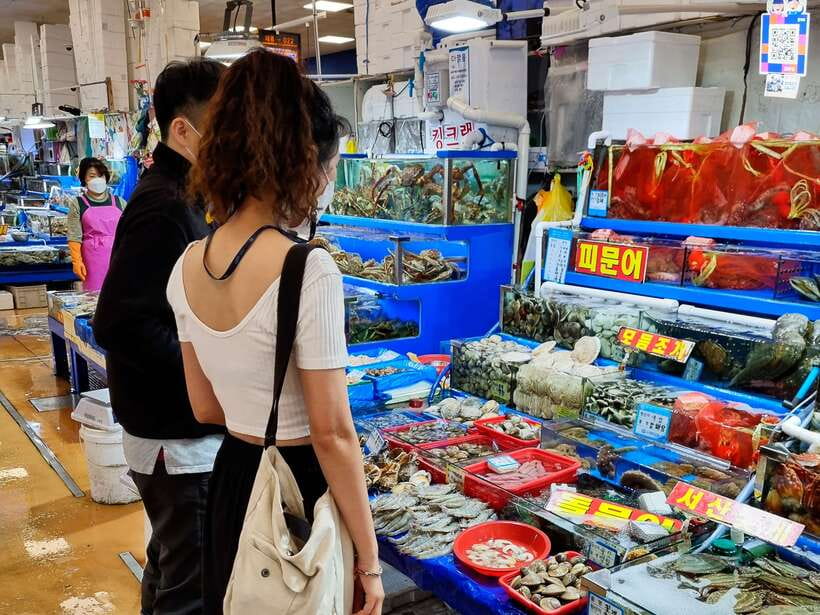
- Noryangjin is Seoul’s major wholesale hub, handling almost 50% of the metro volume and trading up to 300 tons daily
- Small group dinner limits it to 9 participants, which helps the guide manage your seafood choices
- You eat what you select, with a cooking step in the market area so your food becomes dinner fast
- English live guide support, including explanations of Korean seafood culture and what you are tasting
- No crab or lobster included, even though you may be able to add it for an extra cost
Noryangjin Fish Market, the place where dinner starts
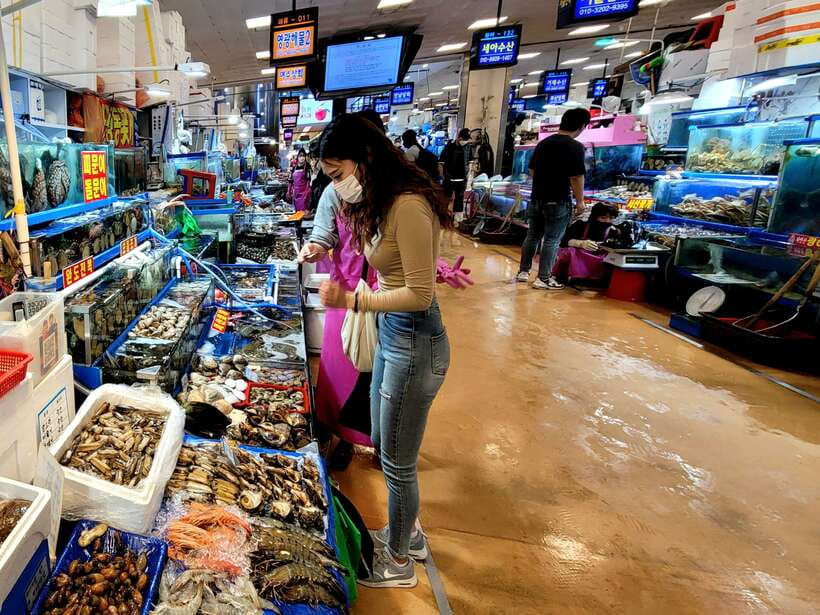
If you have only ever seen seafood at a supermarket, Noryangjin Fish Market will recalibrate your brain fast. This is a wholesale powerhouse, not a tourist food hall. The market handles almost 50% of Seoul’s metropolitan seafood volume, and trades up to 300 tons of fishery products every day. That scale matters, because it explains the speed and confidence you see when seafood moves from “fresh” to “food.”
What I like about starting here is that you get a real sense of what Korea’s seafood culture looks like on a working day. You are not just paying for a meal. You are stepping into the system that creates it: seasonal availability, smart selection, and the kind of familiarity locals have with what is worth eating right now.
And yes, this is a great setup for curious eaters. You might find yourself faced with options that sound intimidating, like seafood that is unusual by Western standards. One booking shared a moment of disbelief about trying an alive octopus. That tells you the tour has the personality of a true local food experience, not a polite, predictable tasting menu.
Meeting at Noryangjin Station and keeping it smooth
You meet at Noryangjin Station on Line 1, Exit 7. I like meeting at a subway stop, because it keeps your arrival simple and low-stress, especially in a city where signage and walking can vary by neighborhood.
The tour runs about 2 hours, which is a sweet spot. Long enough to explore the market and eat a real dinner. Short enough that you can still plan the rest of your evening without feeling trapped in a schedule.
The group is limited to 9 participants, which changes the vibe. With fewer people, an English-speaking guide can help the group move efficiently through the market and make seafood choices feel doable, even if you do not speak Korean.
What you do inside the market: picking seafood with a guide
This is where the tour earns its name. You meet at Noryangjin Fisheries Wholesale Market, then spend time walking through the seafood area. The point is not just sightseeing. You are there to choose different seasonal delicacies that will become your meal.
One important nuance: the tour says the guide selects seafood and has it cooked in the market’s restaurant. So rather than you being totally on your own, the guide functions like a translator and decision helper. Practically, that means you can look, ask questions, and then rely on the guide to lock in a selection that fits your group and the day’s offerings.
This matters because seafood can be seasonal and handled differently depending on what is available that day. A guide reduces the guesswork. It also makes the experience more fun, because you are learning what you are seeing instead of just photographing it and hoping it will make sense later.
If you are a seafood fan, you will probably leave with a better mental map for Korean seafood flavors and textures. If you are not a huge seafood person, you should go in with a flexible mindset. You do not have to become a lifelong octopus fan, but you should be open to tasting what locals eat.
Dinner at the market restaurant: what you actually eat
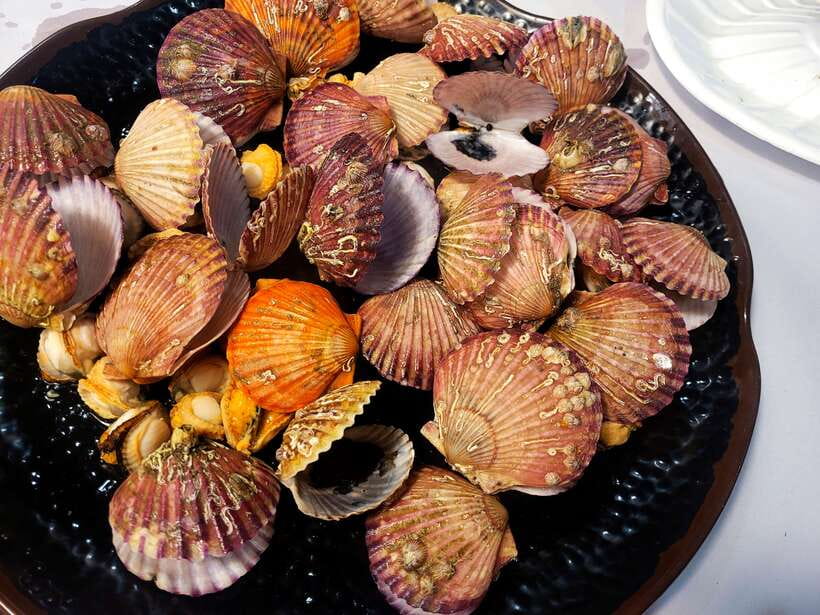
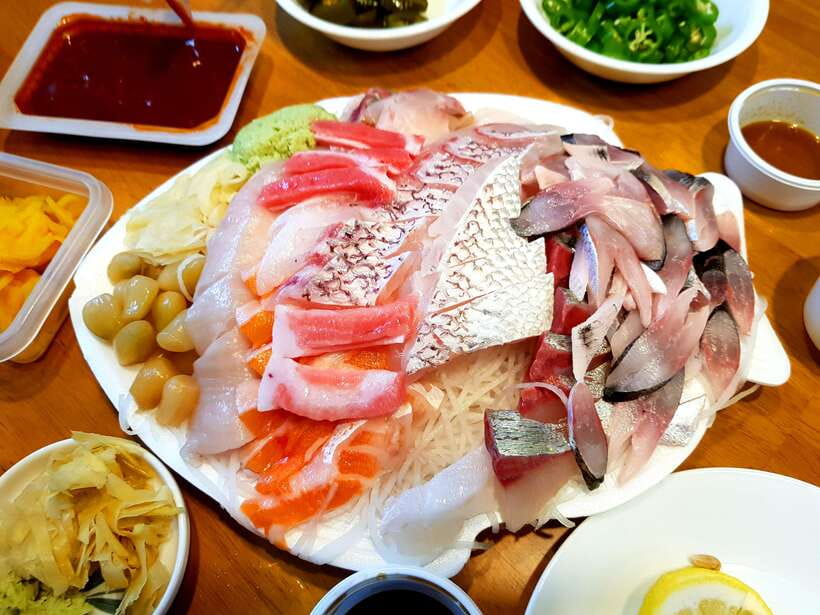
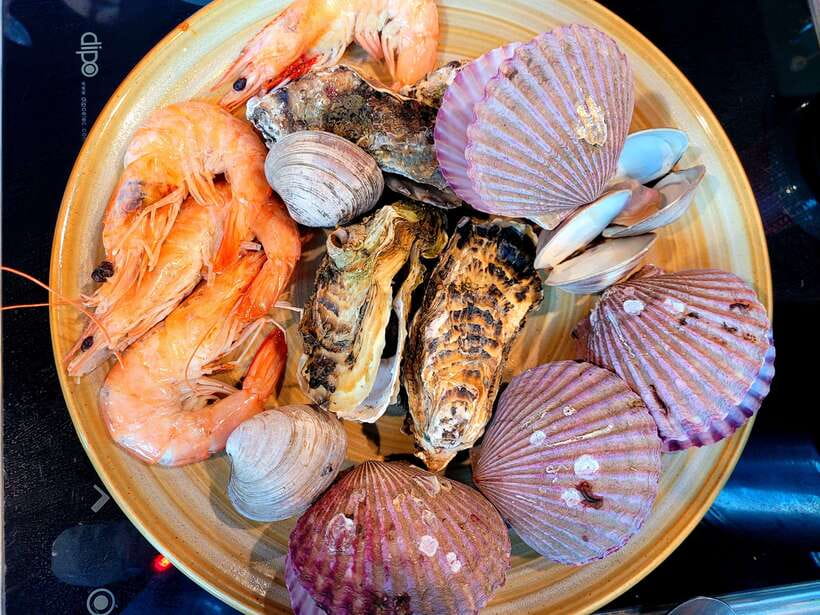
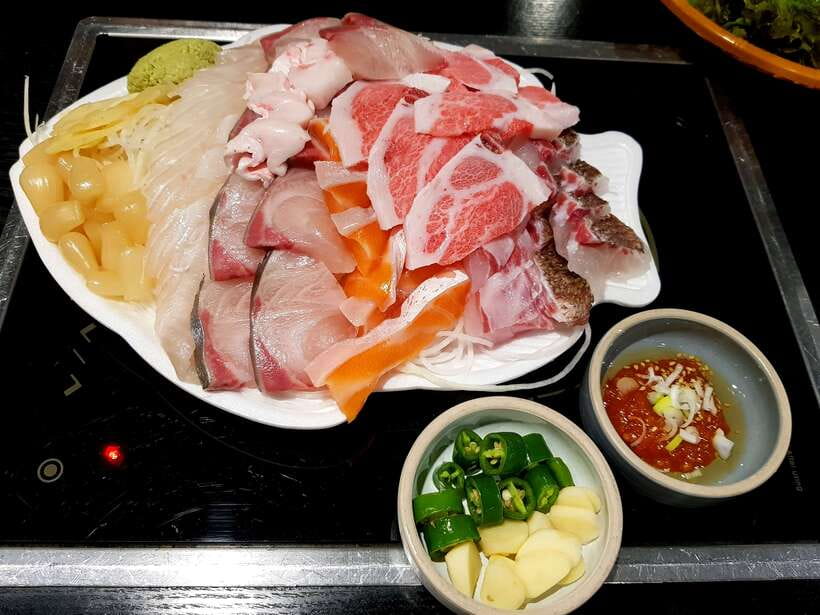
After the selection step, you sit down in a restaurant in the market area. This is key for the experience, because it turns wholesale seafood into something you can digest comfortably, with cooking done for you.
The included items are clear:
- Seafood (the tour does not include crab or lobster)
- Cooking fee
- Guide
That “cooking fee included” piece is the value driver. Many food experiences offer a tasting concept, then hit you with extra cooking or preparation charges. Here, the fee is part of the deal, so you can focus on what you are ordering and what you want to try.
You are also eating like a local, not like a themed performance. That came through in customer feedback describing how guides helped them experience Korean seafood culture and even Korean lifestyle and language. One booking highlighted how helpful the guide Lee was, including sharing context beyond the food itself.
Also, keep one detail in mind if crab is your must-have. The tour does not include crab or lobster, but one guest said they were able to pay extra to get crab. So you can plan for a possible add-on, but do not expect it to be included in your base price.
Flavor confidence tips for first-timers
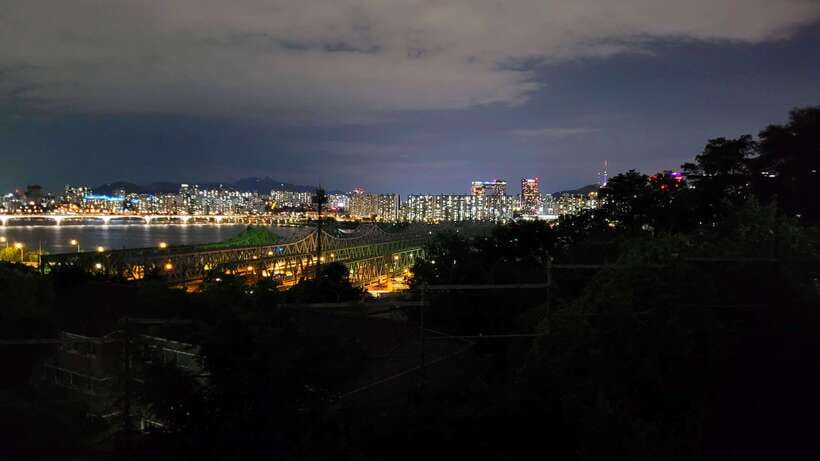
Let me give you a few practical ways to make the meal feel easier and more rewarding, especially if this is your first Korean fish market dinner.
1) Go hungry, then go patient
Two hours is enough time to explore and eat, but the market can be intense. Eat a light meal before you go, or skip a big lunch, so you enjoy dinner instead of counting the minutes.
2) Ask how it will be cooked
The tour has a cooking step, so you should feel comfortable asking what to expect in terms of texture and flavor. If something sounds too adventurous raw, you might find it far easier once it is cooked.
3) Expect unusual seafood names, not unusual logic
If you are worried you will not understand what you are being served, relax. You have an English live guide. The goal is to help you get it right, and to guide you toward what works well for the day.
4) If you hate seafood surprises, set boundaries early
One guest described a shock at the idea of trying an alive octopus, which is exactly the type of moment you should mentally prepare for. If you are easily grossed out by appearance, tell the guide at the start, so your selection stays within your comfort zone.
These tips are simple, but they make a big difference. Market meals are more enjoyable when you feel in control.
Price and value: why $116 can make sense
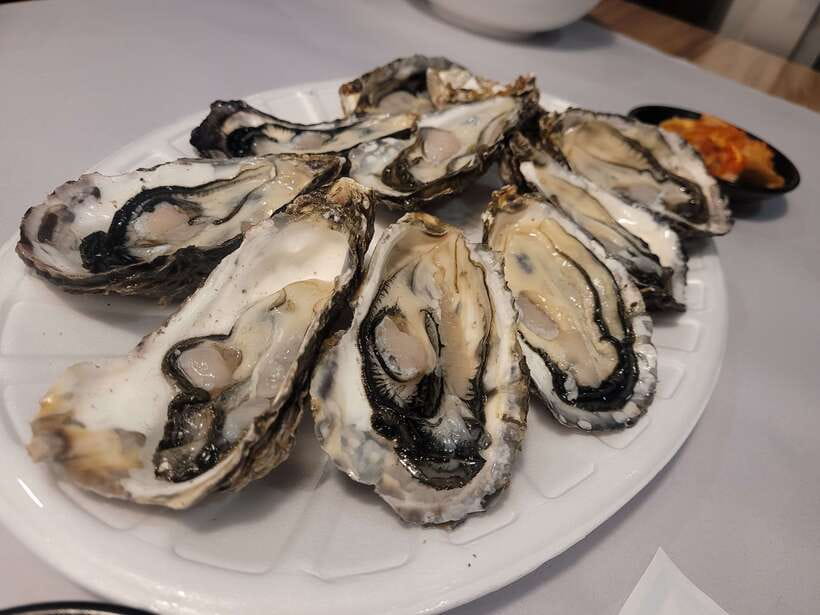
At $116 per person for about 2 hours, it is not a cheap snack. But it is also not just paying for a seat near seafood. You are paying for:
- a live English guide
- seafood that is included
- a cooking fee so your selection becomes dinner
- a small-group format (limited to 9)
In Seoul, food can be affordable, but experiences that include both guided decision-making and actual preparation can add up. Here, the structure reduces your risk. Without a guide, you might spend more time figuring out what is edible, what is seasonally available, and how to order in a busy market environment.
The only clear value complication is crab and lobster. The tour does not include them, so if you want those specific items, your final total could increase. That said, seafood lovers often find plenty to love without adding crab, especially if the guide steers you toward what is freshest and most appropriate for cooking that day.
So the “value” question is simple:
- If you want a guided seafood dinner that feels local, the price is easier to justify.
- If your budget depends on crab or lobster being included, read the ingredient rules carefully and plan for extra costs.
English guide Lee, and what great guidance changes
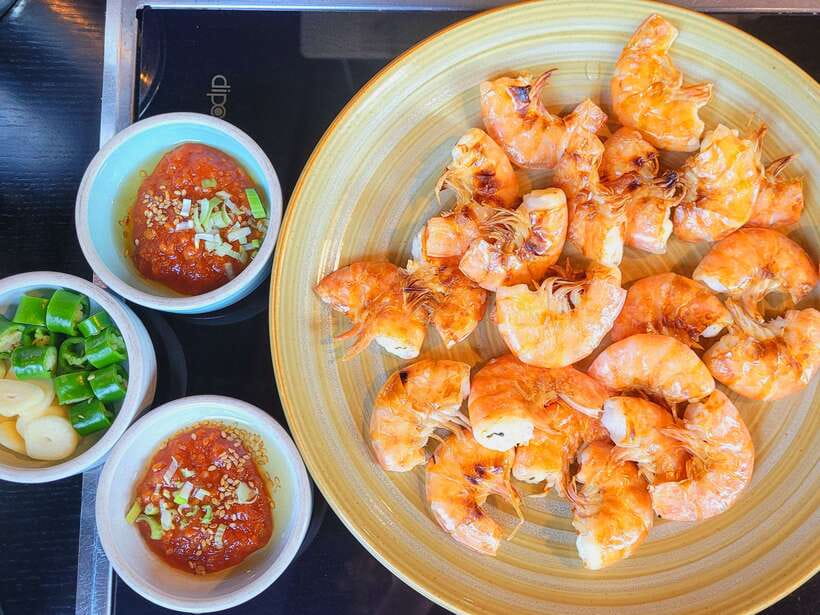
A good food tour guide does more than translate. They prevent regret. In the feedback for this experience, an English guide named Lee came up more than once, with praise for being friendly and helpful, and for explaining Korean seafood culture.
That kind of guidance matters because seafood is not one-size-fits-all. The guide can help you pick options that are safe to try, explain what to expect, and steer you toward flavors that make sense together. One guest also mentioned learning Korean language and lifestyle context, which is exactly the sort of extra layer that makes a market dinner feel like a cultural experience instead of a meal with instructions.
If you are the type who likes to learn while you eat, you will probably appreciate that the guide focuses on the “why” behind seafood choices and the everyday reality of Korean seafood.
Who should book this Noryangjin fish market dinner
This tour fits best if you are one of these types:
- Seafood lovers who want to see where the food comes from before eating it
- Curious eaters who like trying new textures and flavors, even if they are unfamiliar
- Small-group travelers who prefer practical help over wandering alone in a busy market
- People who want English support when food choices could otherwise feel confusing
You might want to skip it if:
- You do not like seafood or you strongly dislike the idea of trying unusual seafood options.
- You specifically need crab or lobster included in the base meal. The tour rules say it is not included.
Also note the tour does not allow pets. If that affects your travel planning, you will need to find another format.
Should you book? My practical call
If you want a Seoul dinner that feels real, this is a smart bet. You get market access, an English guide, seafood that is included, and a cooked restaurant meal in about two hours. That combination makes it easy to turn “we should try Korean seafood” into an actual experience you can handle.
Book it if your priority is: fresh seafood, guidance, and a local-style dinner that is more than just a quick bite.
Skip or adjust expectations if crab or lobster are your non-negotiables, because the tour does not include them. If you are flexible, though, you can still get a full seafood dinner without feeling like you missed the main attraction.
FAQ
Where do I meet for the tour?
You meet at Noryangjin Station (Line 1), Exit 7.
How long is the Noryangjin fish market dinner?
The tour lasts about 2 hours.
Is there an English-speaking guide?
Yes. The tour includes a live tour guide in English.
What seafood is included, and does it include crab or lobster?
The tour includes seafood and a cooking fee. Crab and lobster are not included.
Is the group size small?
Yes. The group is limited to 9 participants.
Is cancellation allowed?
Yes. You can cancel up to 24 hours in advance for a full refund.
Can I reserve and pay later?
Yes. The option is reserve now and pay later.
Are pets allowed?
No. Pets are not allowed.
Gwangjang Market & Seoul Street Food you might have missed.
 ★ 4.9Seoul: Gyeongbok Palace, Bukchon Village, and Gwangjang TourFrom $322,321 reviews
 ★ 5.0Seoul Street Food Market TourFrom $731,226 reviews
★ 5.0Seoul: Gyeongbok Palace, Bukchon Village, and Gwangjang TourFrom $321,044 reviews
★ 5.0Seoul Street Food Market TourFrom $731,226 reviews
★ 5.0Seoul: Gyeongbok Palace, Bukchon Village, and Gwangjang TourFrom $321,044 reviews
 ★ 4.9Seoul: Night Market Food Tour with Local GuideFrom $73943 reviews
 ★ 5.0Small-Group Night Food Tour in Seoul with Korean BBQFrom $110304 reviews
 ★ 5.0Seoul Night Palace & Market Food Tour with VehicleFrom $79275 reviews
 ★ 5.0Seoul Fun Food Tour: 12 different food tastingsFrom $88266 reviews
 ★ 4.5The Award-Winning PRIVATE Food Tour of Seoul: The 10 TastingsFrom $178128 reviews
Where this tour also appears