
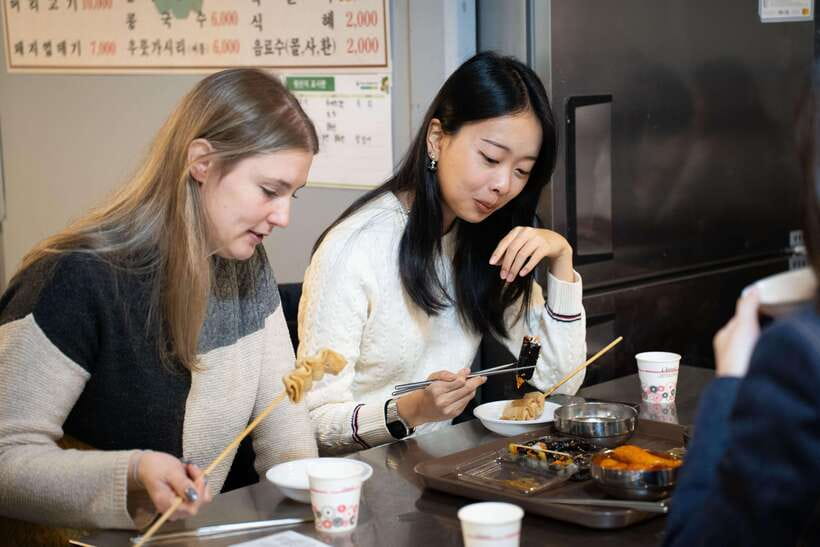
REVIEW · GWANGJANG MARKET & SEOUL STREET FOOD
Hidden Stories & Flavors: Traditional Market Food Tour
Food tells the truth in Seoul. In this 2-hour Gwangjang Market tour, you snack through Korean street favorites while your guide shares real stories about life in South Korea and the peninsula.
I love the menu variety, from dumplings and spicy rice cake to fish-shaped buns and a sweet Korean pancake. The possible catch is big portions, so skip a heavy meal beforehand if you want to sample comfortably.
In This Review
- Key things I’d watch for
- Gwangjang Market: your 2-hour shortcut to Korean street food
- Your guide’s angle: Seoul life plus reserve-force perspective
- The tasting plan: what you’ll eat at Gwangjang Market
- How the route actually feels: walking, stopping, tasting
- What you learn without turning this into a lecture
- Price and value: is $100 worth two hours of food and stories?
- Timing and logistics that actually matter for your day
- Who this tour suits best
- Should you book Hidden Stories & Flavors?
- FAQ
- How long is the Traditional Market Food Tour?
- Where do I meet for the tour?
- Which market is included in the itinerary?
- What foods are included?
- Is there a live tour guide, and what language do they speak?
- What is the group size?
- Is this a historical tour?
- What is the cancellation policy?
- Can I reserve without paying right away?
Key things I’d watch for
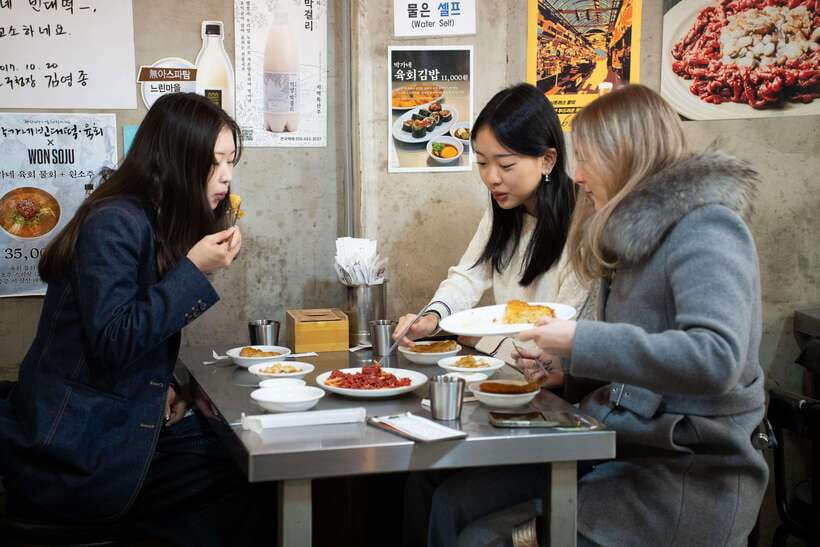
- A small group (up to 10) so you get chances to ask questions, not just eat and move along
- An English guide with perspective, including viewpoints shaped by reserve-force experience
- Gwangjang Market as the main stage, which keeps the tour focused and easy to follow
- A food list built for variety, not repetition, so you’ll taste both savory and sweet bites
- It is not a history lecture, even though you’ll hear context about modern Korea
Gwangjang Market: your 2-hour shortcut to Korean street food
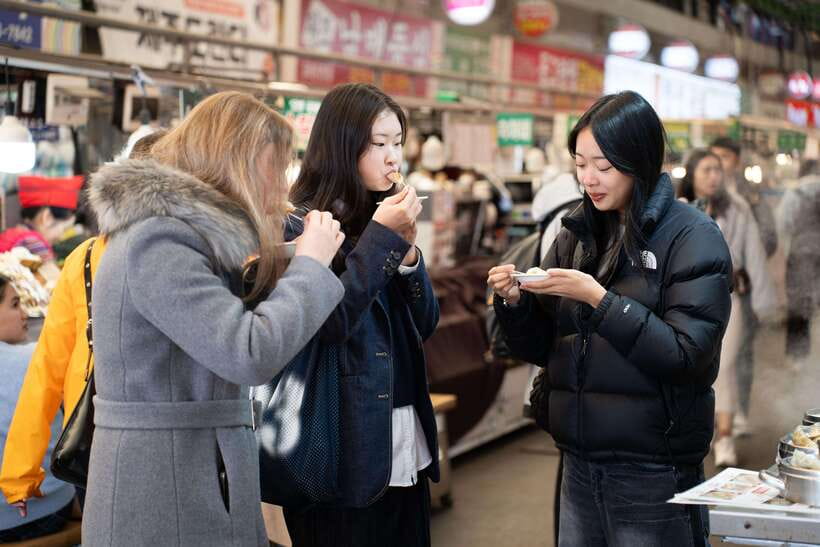
If you only have a short window in Seoul, this tour makes the most of it by centering everything on one place: Gwangjang Market. You’re not hopping across town. You’re walking market lanes, stopping often, and learning what to order without having to decode menus on your own.
The big win is that you get a guided “tasting path” built around classic Korean flavors and textures. Expect a mix of chewy, crispy, saucy, and warm handheld foods. That matters because Korean market eating is not just about taste. It’s also about how food feels in your hand, how you build a sequence of flavors, and how you stay comfortable in a dense, busy setting.
Also, you’ll get context alongside the food, but the emphasis is still eating. The tour is not a historical tour. So if you want dates, timelines, and museum-style facts, you might find the framing lighter than that. What you do get is conversation-based context that connects the sights you see in Seoul to the lived reality behind them.
Your guide’s angle: Seoul life plus reserve-force perspective
This is a live, English-language guided experience. You’ll be with a knowledgeable local who connects what you’re eating to how people think, talk, and live. Some tours give you facts. This one gives you a perspective, and that changes how you notice things.
One standout detail from past participants is how strong the guide’s explanations are, especially when it comes to both the food and the culture around it. People have highlighted how easy it is to follow along and how much time the guide spends talking through what you’re tasting and why it matters.
There’s also a specific viewpoint included about Korea’s peninsula division. The tour shares insights that stem from the guide’s personal experience as a member of the reserve forces. That’s not a vague “politics talk.” It’s more grounded: a human lens on what military realities can mean in everyday life.
One practical note: because the tour is conversation-heavy, the best experience comes when you show up curious. If you want only silent sightseeing, you might feel the pacing is less “grab and go” and more “listen and taste.”
The tasting plan: what you’ll eat at Gwangjang Market
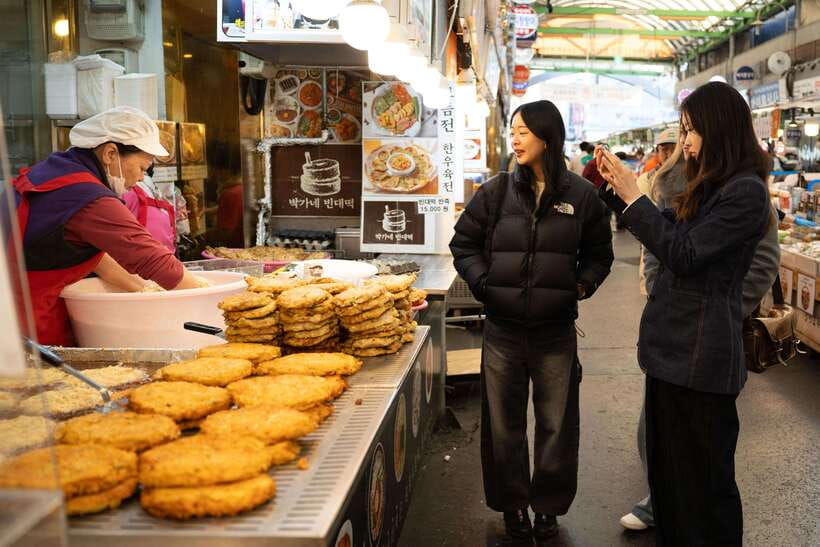
The tour is built around a set meal of market classics. The exact menu can shift depending on circumstances, but the selection types stay consistent. You’ll start working through a lineup that covers savory staples, spice, and sweet.
Here’s what’s included, and what each item is doing for your palate:
Dumpling
Usually, these are all about the first comfort hit. Dumplings are a great opener because they give you a baseline for flavor, seasoning, and texture. If you’re sensitive to spice, starting with something mild helps you calibrate fast.
Meatball
Think chewy, savory, and satisfying. Meatballs in Korean markets often come with a sauce vibe or a broth-adjacent feel. It’s a nice middle step between dumpling and the more pungent items later.
Korean hotdog
This is one of those market foods that surprises first-time visitors. It’s fun, handheld, and made for eating while you walk. Expect the flavor to lean toward crispy outside, warm inside, and a sauce or seasoning punch.
Rice roll
Rice rolls add a different chew level and a filling base. If you’ve only had rice as a side dish, this is the moment where rice turns into the main event.
Spicy rice cake
This is where the tour leans into heat and sauce. If you’re not used to Korean spice, it’s worth taking it slow and sipping water between bites. If you do like spice, this item is often the flavor highlight.
Fish cake
Fish cake brings a different kind of comfort. It’s soft, warm, and often served in a way that makes it easy to eat even when you’re on the move.
Sweet Korean pancake
This is your reset. Sweet pancakes balance the salty, savory stretch so your taste buds don’t burn out. It also gives you a chance to try something more dessert-like without leaving the market.
Fish-shaped bun
This is the fun final cookie-shop moment, but it’s still deeply market. The shape matters only because it’s memorable, but the taste is what counts. It’s a satisfying capstone to a 2-hour sequence.
Water
Included water is a small detail that makes a big difference. Market eating adds up, and the spice factor can sneak on you. Water helps you keep enjoying, not just enduring.
If your stomach is the deciding factor, don’t overthink it. This tour’s food plan is meant to let you sample each category once, not to make you feel stuffed beyond joy.
How the route actually feels: walking, stopping, tasting
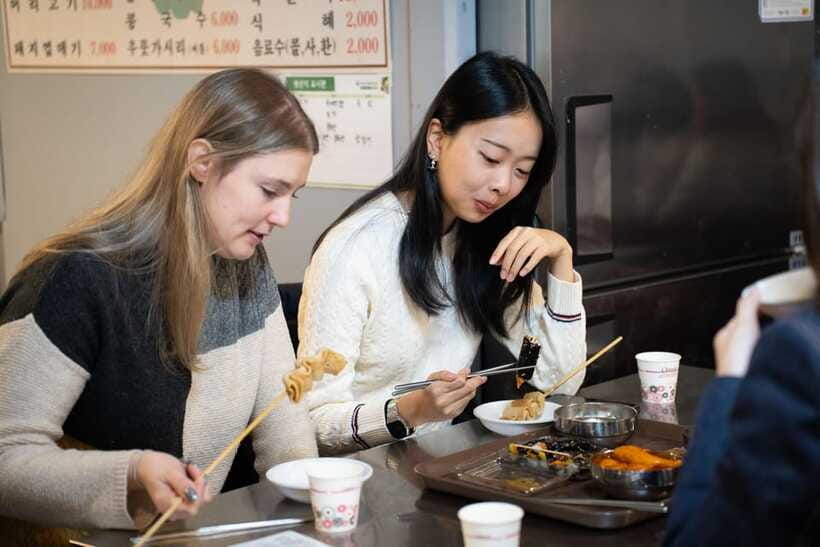
The duration is 2 hours, and the tour is structured around frequent stops. That makes it easier to manage energy levels than a longer, more continuous walking tour. You’ll get regular pauses where the guide explains what you’re about to eat and how it fits into Korean everyday culture.
Because the group is small, the pace doesn’t feel like a conveyor belt. Up to 10 participants means the guide can adjust based on questions and appetite. You’ll likely spend time between stalls learning how to identify what to try and how people typically order in the market.
The one drawback you should keep in mind is the food volume. Even if each item is bite-sized, the total adds up quickly. More than one person has pointed out the portion size, so build your day around this meal. If you skip breakfast or go lighter earlier, you’ll enjoy everything more and waste less food.
Also remember the menu can change based on circumstances. That doesn’t mean the experience falls apart. It just means you should be flexible when you arrive and trust the guide’s substitutions.
What you learn without turning this into a lecture
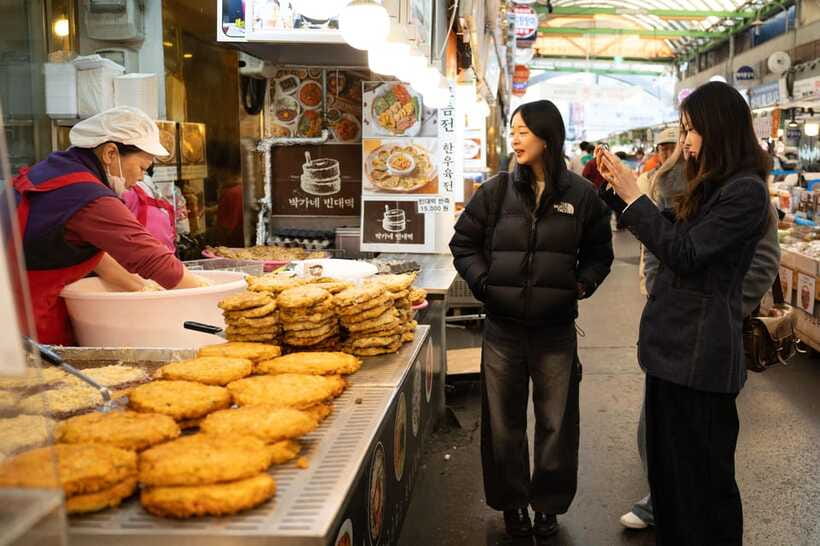
This tour promises insights, but it’s careful not to pretend to be a formal history lesson. Instead, the learning comes through stories tied to everyday things: the foods, the habits, and the way people talk about life in South Korea.
The guide frames what you see in the market against bigger realities, including the division of the Korean peninsula. The conversation angle is important. When politics is presented through lived experience, you pay attention to details differently. You notice how people speak about service, how they think about security, and how those ideas can show up indirectly in culture.
You may also hear about Seoul sights, but not in the checklist way. The goal is to connect the city’s beauty with the realities that coexist underneath it. That’s a very practical way to experience Seoul, because it helps you understand what you’re seeing while you’re still in the moment, not just after you read about it later.
In plain terms, you’re getting conversation that makes your trip feel more human. If you like markets because they’re social, this format fits that taste perfectly.
Price and value: is $100 worth two hours of food and stories?
For $100 per person, you’re paying for a lot more than “someone to hold your ticket.” You’re paying for:
- A local English guide
- A planned sequence of included foods (both savory and sweet)
- Time spent explaining what you’re eating and how it connects to culture and peninsula realities
- A small group format, capped at 10, which helps keep the experience personal
Two hours can sound short until you remember how much work it takes to do market food correctly on your own. Without guidance, you’ll spend time figuring out what to order, whether it’s worth the line, how spicy it might be, and how to order politely. Here, that friction gets removed.
Still, it’s not cheap, and that matters. If you’re the type who wants a self-guided market wander with unlimited choice and you already know Korean food ordering, you might decide to do Gwangjang Market on your own. But if you want clarity, structured tastings, and a guide who can explain what you’re tasting, the cost feels more reasonable fast.
My practical take: if you’re hungry and you like learning through food, this price makes sense. If you’re only mildly curious and you don’t want guided conversation, it may feel like you’re paying more than you need.
Timing and logistics that actually matter for your day
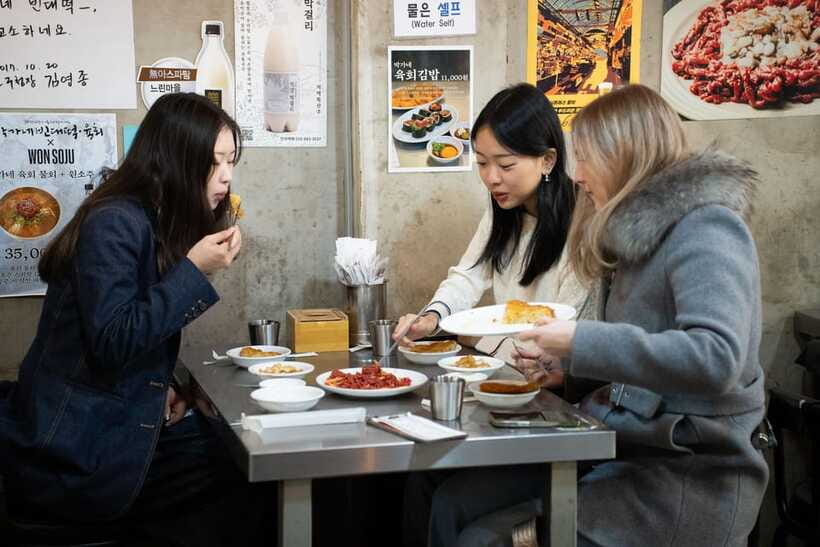
Meeting point is Jongno 5 ga station exit 8. Aim to arrive a bit early so you’re not rushed in a busy area. Once you meet up, you’ll spend the time moving between stalls at a pace designed for eating.
The tour runs 2 hours, so plan your other activities around it. This is the kind of experience you don’t want competing with a tight dinner reservation later the same day. If you do schedule something right after, choose something light, like a short walk or a coffee stop, not another big meal.
Two more things that matter:
- Live guide in English is included.
- The guide’s menu can change based on circumstances, so treat the list as the plan, not as an absolute promise of identical items.
Who this tour suits best
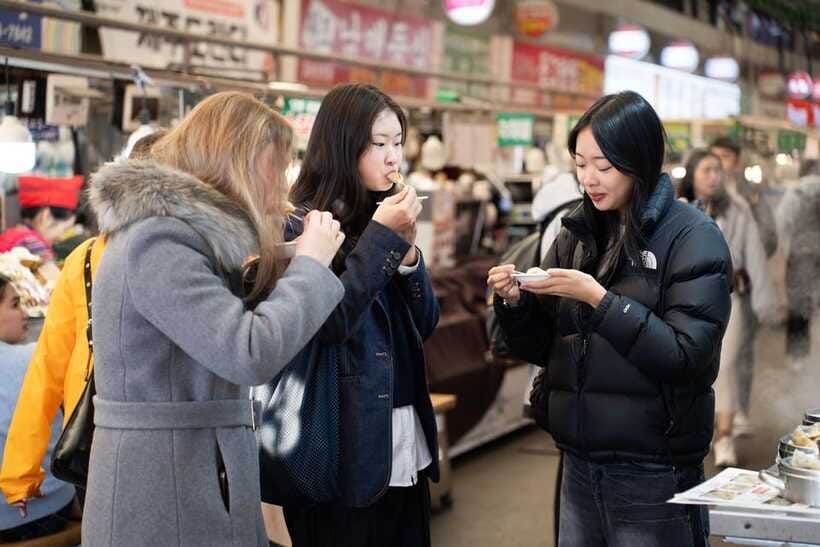
This is an excellent match if you want Korean food with context, not just food photos. You’ll like it most if:
- You enjoy markets as a way to understand a place
- You want an English-speaking guide to help you order confidently
- You’re curious about modern realities, including the division of the peninsula, but still want a food-centered experience
- You prefer a small group and a chatty, explanatory guide
If you’re very sensitive to spice, go in with intention. Ask questions, pace yourself, and use water. If you’re expecting a strict historical deep lecture, remember the tour is not designed as that.
And if you’re prone to ordering too much, learn from the best advice floating around. Skip a heavy breakfast. You’ll enjoy the tour more, and you won’t leave feeling overly stuffed.
Should you book Hidden Stories & Flavors?
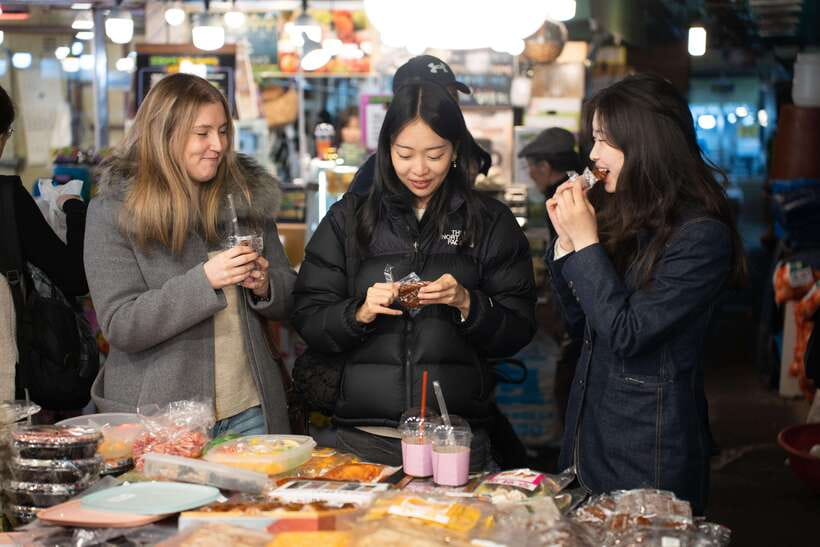
Book it if you want a short, high-impact Seoul experience that combines serious eating with thoughtful, human context. It’s built for people who like to learn by taste, and it’s strong on guide communication, small-group comfort, and a food lineup that covers savory to sweet.
Don’t book it if you mainly want self-paced browsing, you hate guided conversation, or you’re only interested in strict history facts. Also, if you know you struggle with lots of food in a short window, adjust your day so this meal is your big stop.
If you’re on the fence, use this simple filter: Do you want to leave Gwangjang Market saying I finally understood what I ate and why it matters? If yes, this tour is a very practical way to get there in just two hours.
FAQ
How long is the Traditional Market Food Tour?
The tour lasts 2 hours.
Where do I meet for the tour?
Meet at Jongno 5 ga station exit 8.
Which market is included in the itinerary?
The tour is centered on Gwangjang Market.
What foods are included?
Included items are dumpling, meatball, Korean hotdog, rice roll, spicy rice cake, fish cake, sweet Korean pancake, fish-shaped bun, and water.
Is there a live tour guide, and what language do they speak?
Yes, there is a live tour guide, and the tour is in English.
What is the group size?
It’s a small group limited to 10 participants.
Is this a historical tour?
No. It is not a historical tour.
What is the cancellation policy?
You can cancel up to 24 hours in advance for a full refund.
Can I reserve without paying right away?
Yes. There is a reserve now & pay later option, where you can book your spot and pay nothing today.
Gwangjang Market & Seoul Street Food you might have missed.
 ★ 4.9Seoul: Gyeongbok Palace, Bukchon Village, and Gwangjang TourFrom $322,321 reviews
 ★ 5.0Seoul Street Food Market TourFrom $731,226 reviews
★ 5.0Seoul: Gyeongbok Palace, Bukchon Village, and Gwangjang TourFrom $321,044 reviews
★ 5.0Seoul Street Food Market TourFrom $731,226 reviews
★ 5.0Seoul: Gyeongbok Palace, Bukchon Village, and Gwangjang TourFrom $321,044 reviews
 ★ 4.9Seoul: Night Market Food Tour with Local GuideFrom $73943 reviews
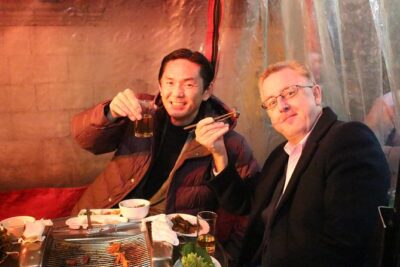 ★ 5.0Small-Group Night Food Tour in Seoul with Korean BBQFrom $110304 reviews
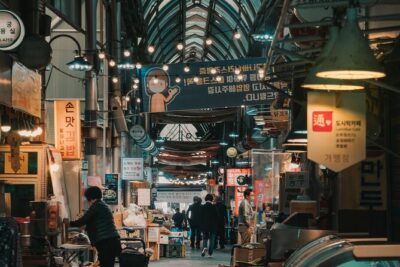 ★ 5.0Seoul Night Palace & Market Food Tour with VehicleFrom $79275 reviews
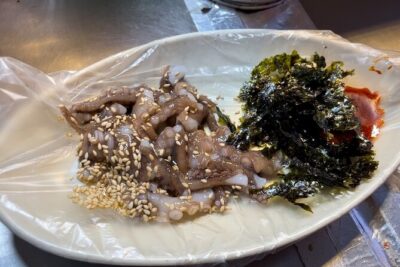 ★ 5.0Seoul Fun Food Tour: 12 different food tastingsFrom $88266 reviews
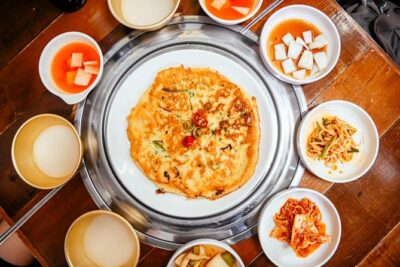 ★ 4.5The Award-Winning PRIVATE Food Tour of Seoul: The 10 TastingsFrom $178128 reviews
Where this tour also appears